

The Turning Point in Regenerative Medicine.
Research Triangle Park, N.C.
Joined December 2020
- Tweets617
- Following321
- Followers2.9K
- Likes296




Pinned Tweet
Humacyte is proud to announce that the FDA has granted full approval for Symvess™, a first-in-class, universally implantable, bioengineered human vessel for extremity vascular trauma replacement and repair. This approval is a significant milestone in regenerative medicine, offering a new treatment option for patients with severe arterial injuries. Congratulations to our incredible team and partners who made this possible!
Learn more at symvess.com
See the Prescribing Information, including Boxed Warning: bit.ly/4dl5tuL
INDICATION
SYMVESS is an acellular tissue engineered vessel indicated for use in adults as a vascular conduit for extremity arterial injury when urgent revascularization is needed to avoid imminent limb loss, and autologous vein graft is not feasible.
IMPORTANT SAFETY INFORMATION
BOXED WARNING: GRAFT FAILURE
-Loss of SYMVESS integrity due to mid-graft rupture or anastomotic failure can result in life threatening hemorrhage.
CONTRAINDICATIONS
DO NOT use SYMVESS in patients who have a medical condition that would preclude long-term antiplatelet therapy (such as aspirin or clopidogrel) after resolution of acute injuries.
WARNINGS & PRECAUTIONS
-Graft Rupture: Vascular graft rupture has occurred in patients treated with SYMVESS. Advise patients that arterial bleeding can be life-threatening and to seek emergent medical evaluation for any signs or symptoms of graft rupture such as bleeding, pain and swelling in the extremity, or signs of extremity ischemia. Follow appropriate procedures for handling and administering SYMVESS.
-Anastomotic Failure: Anastomotic failure has occurred in patients treated with SYMVESS. In clinical studies of SYMVESS, anastomotic failure occurred within the first 36 days post-implantation. Monitor patients for signs of anastomotic failure such as pain and swelling at the surgical site, decreasing hemoglobin or other signs and symptoms of bleeding. Advise patients to seek urgent medical evaluation if they have any signs or symptoms that may be indicative of anastomotic failure such as bleeding, swelling or worsening pain at the surgical site or changes in color of overlying skin. Follow appropriate procedures for handling and administering SYMVESS.
-Thrombosis: Thrombosis has occurred in patients treated with SYMVESS. In clinical trials of SYMVESS, patients received antiplatelet therapy following implantation of SYMVESS to reduce the risk of thrombosis. The risk of thrombosis may increase in patients who discontinue antiplatelet therapy. Anti-platelet therapy is recommended following treatment with SYMVESS.
-Transmission of Infectious Diseases: SYMVESS is manufactured using cells and reagents that may transmit infectious diseases or infectious agents. The cells used in the manufacture of SYMVESS are derived from a donor who met the donor eligibility requirements for transmissible infectious diseases. Animal-derived reagents are tested for animal viruses, bacteria, fungi, and mycoplasma before use, but this does not eliminate the risk of transmitting these or other transmissible infectious diseases and disease agents. No transmissible agent infections have been reported during clinical testing.
ADVERSE REACTIONS
The most common adverse reactions (≥3%) were thrombosis, fever, pain, anastomotic stenosis, rupture or anastomotic failure, and infection.
USE IN SPECIFIC POPULATIONS
Pediatric Use: The safety and effectiveness of SYMVESS in pediatric patients (0 to 17 years old) have not been established.
Geriatric Use: Two patients out of the 54 Extremity Group implanted with SYMVESS as a conduit in Study 1 were aged ≥65 years. The number of patients aged ≥65 years was not sufficient to determine whether they responded differently than younger patients to SYMVESS.
#Humacyte #FDAApproval #RegenerativeMedicine #Innovation #Biotech #Firstinclass $HUMA
We’re heading to American Heart Association Scientific Sessions 2026 with new research highlighting the potential of bioengineered human vessels in coronary artery bypass grafting (CABG).
Humacyte will be featured in three presentations, including an invited talk from Founder and CEO Laura Niklason, M.D., Ph.D., as well as presentations on our investigational coronary tissue engineered vessel (CTEV), spanning preclinical CABG results and the design of our first-in-human Phase 2a study.
Chicago: November 6–9
Learn more about the presentations and the science we’re bringing to AHA: investors.humacyte.com/news-…
The CTEV is an investigational product and has not been approved for sale by the FDA or any other regulatory agency.

Our Q3 update is coming.
On November 10 at 8:00 a.m. EST, we’ll report our third quarter 2026 financial results and share the latest business updates.
Save the date and tune in.
View the announcement and webcast details here: investors.humacyte.com/news-…

Congratulations to The University of Texas Medical Branch on becoming the first system in the Greater Houston metropolitan area to adopt Symvess®, and to the surgical team on a series of firsts of their own.
We’re proud to recognize Dr. Mitchell Cox, Dr. Eric Whittington, and Dr. Channa Blakely on their first Symvess cases, alongside Chief Vascular Resident, Dr. Omar Sahibzada, and Vascular Resident Dr. Annie Cherner, who assisted with the various cases.
We’re excited to celebrate this talented team and another important milestone as experience with Symvess continues to grow across the U.S.
#Symvess #VascularSurgery #BioengineeredTissue #Innovation
Learn more here: symvess.com.
PLEASE SEE IMPORTANT SAFETY INFORMATION INCLUDING THE BOXED WARNING, AND FULL PRESCRIBING INFORMATION at bit.ly/4dl5tuL
INDICATION
SYMVESS is an acellular tissue engineered vessel indicated for use in adults as a vascular conduit for extremity arterial injury when urgent revascularization is needed to avoid imminent limb loss, and autologous vein graft is not feasible.
BOX WARNING: GRAFT FAILURE: loss of SYMVESS integrity due to mid-graft rupture or anastomotic failure can result in life-threatening hemorrhage.
DO NOT use SYMVESS in patients who have a medical condition that would preclude long-term antiplatelet therapy after acute injury resolution.
WARNINGS AND PRECAUTIONS: Vascular Graft Rupture, Anastomotic Failure, and Thrombosis have occurred in patients treated with SYMVESS. SYMVESS is manufactured using cells and reagents that may transmit infectious diseases or agents; none have been reported during clinical testing.
ADVERSE REACTIONS: most common (≥3%): thrombosis, fever, pain, anastomotic stenosis, rupture or anastomotic failure, and infection.

Oklahoma, welcome to the #Symvess® story.
Congratulations to board certified vascular surgeon, Dr. Jones Thomas, and the INTEGRIS Health Baptist Medical Center team on completing the first-ever Symvess case in Oklahoma!
Another state. Another important milestone.
#VascularSurgery
Learn more here: symvess.com.
PLEASE SEE IMPORTANT SAFETY INFORMATION INCLUDING THE BOXED WARNING, AND FULL PRESCRIBING INFORMATION at bit.ly/4dl5tuL
INDICATION
SYMVESS is an acellular tissue engineered vessel indicated for use in adults as a vascular conduit for extremity arterial injury when urgent revascularization is needed to avoid imminent limb loss, and autologous vein graft is not feasible.
BOX WARNING: GRAFT FAILURE: loss of SYMVESS integrity due to mid-graft rupture or anastomotic failure can result in life-threatening hemorrhage.
DO NOT use SYMVESS in patients who have a medical condition that would preclude long-term antiplatelet therapy after acute injury resolution.
WARNINGS AND PRECAUTIONS: Vascular Graft Rupture, Anastomotic Failure, and Thrombosis have occurred in patients treated with SYMVESS. SYMVESS is manufactured using cells and reagents that may transmit infectious diseases or agents; none have been reported during clinical testing.
ADVERSE REACTIONS: most common (≥3%): thrombosis, fever, pain, anastomotic stenosis, rupture or anastomotic failure, and infection.

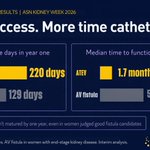
The AV fistula is the current standard of care for dialysis access, but women have higher rates of maturation failure. That means longer waits for usable access and more time on catheters, which carry serious infection risks.
That's why we designed V012, the first randomized trial to compare our acellular tissue engineered vessel (ATEV) head-to-head with AV fistula in women.
✅220 vs. 129 catheter-free days in the first year with ATEV vs. AV fistula
✅1.7 months for ATEV vs. 5.3 months for AV fistula as the median time to functional access
✅Even among strong fistula candidates, ~1 in 3 fistulas never matured in year one. ATEV didn’t make them wait.
Next, we plan to submit a supplemental BLA to the FDA this quarter to expand the Symvess® label to include hemodialysis access. You can read our press release here: investors.humacyte.com/news-…
#ASNKidneyWeek #Nephrology #Dialysis #VascularAccess #WomensHealth
PLEASE SEE IMPORTANT SAFETY INFORMATION INCLUDING THE BOXED WARNING,
AND FULL PRESCRIBING INFORMATION at bit.ly/4dl5tuL
INDICATION
SYMVESS is an acellular tissue engineered vessel indicated for use in adults as a vascular conduit for extremity arterial injury when urgent revascularization is needed to avoid imminent limb loss, and autologous vein graft is not feasible.
BOXED WARNING: GRAFT FAILURE: Loss of SYMVESS integrity due to mid-graft rupture or anastomotic failure can result in life threatening hemorrhage.
DO NOT use SYMVESS in patients who have a medical condition that would preclude long-term antiplatelet therapy after acute injury resolution.
WARNINGS AND PRECAUTIONS: Vascular Graft Rupture, Anastomotic Failure, and Thrombosis have occurred in patients treated with SYMVESS. SYMVESS is manufactured using cells and reagents that may transmit infectious diseases or agents; none have been reported during clinical testing.
ADVERSE REACTIONS: most common (≥3%): thrombosis, fever, pain, anastomotic stenosis, rupture or anastomotic failure, and infection.
Trademarks are property of Humacyte Global, Inc
© 2026 Humacyte Global Inc. All Rights Reserved.

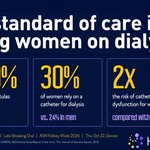
For many women on hemodialysis, the current standard of vascular care can often fail to meet their needs.
❌ About 50% of women’s AV fistulas fail to mature, compared with 37% in men.
❌ 30% of women rely on a catheter for dialysis, compared with 24% of men.
❌ Women face twice the risk of catheter dysfunction.
That’s why we designed V012, a Phase 3 randomized trial focused only on women.
Today, Thursday, October 22nd at ASN Kidney Week in Denver, Dr. Prabir Roy-Chaudhury of the UNC Kidney Center presents interim results comparing our acellular tissue engineered vessel (ATEV) with the AV fistula in a late-breaking oral session.
#KidneyWk #Nephrology #Hemodialysis #WomensHealth #VascularAccess


Congratulations to Dr. Bo Allen and the team at Ballad Health and Holston Valley Medical Center on Dr. Allen's first Symvess® procedure.
With Dr. Allen joining Dr. Shardul Nagre and Dr. H. Richard Yoon in performing Symvess procedures, Ballad Health continues to expand patient access to innovative treatment options and advance vascular care in the community.
Thank you to the surgeons, nurses and multidisciplinary care teams who made these milestones possible.
#HealthcareInnovation #MedicalExcellence
Learn more here: symvess.com.
PLEASE SEE IMPORTANT SAFETY INFORMATION INCLUDING THE BOXED WARNING, AND FULL PRESCRIBING INFORMATION at bit.ly/4dl5tuL
INDICATION
SYMVESS is an acellular tissue engineered vessel indicated for use in adults as a vascular conduit for extremity arterial injury when urgent revascularization is needed to avoid imminent limb loss, and autologous vein graft is not feasible.
GRAFT FAILURE: loss of SYMVESS integrity due to mid-graft rupture or anastomotic failure can result in life-threatening hemorrhage.
DO NOT use SYMVESS in patients who have a medical condition that would preclude long-term antiplatelet therapy after acute injury resolution.
WARNINGS AND PRECAUTIONS: Vascular Graft Rupture, Anastomotic Failure, and Thrombosis have occurred in patients treated with SYMVESS. SYMVESS is manufactured using cells and reagents that may transmit infectious diseases or agents; none have been reported during clinical testing.
ADVERSE REACTIONS: most common (≥3%): thrombosis, fever, pain, anastomotic stenosis, rupture or anastomotic failure, and infection.

Momentum for Symvess® continues to build.
Hospitals that have ordered Symvess increased 44% in Q3, from 34 to 49, alongside growing utilization and surgeon interest.
Learn more about our commercial progress: Read the update (bit.ly/3WbjFTk)
#Symvess #Humacyte #VascularSurgery #VascularTrauma
PLEASE SEE IMPORTANT SAFETY INFORMATION INCLUDING THE BOXED WARNING,
AND FULL PRESCRIBING INFORMATION at bit.ly/4dl5tuL
INDICATION
SYMVESS is an acellular tissue engineered vessel indicated for use in adults as a vascular conduit for extremity arterial injury when urgent revascularization is needed to avoid imminent limb loss, and autologous vein graft is not feasible.
BOXED WARNING: GRAFT FAILURE: Loss of SYMVESS integrity due to mid-graft rupture or anastomotic failure can result in life threatening hemorrhage.
DO NOT use SYMVESS in patients who have a medical condition that would preclude long-term antiplatelet therapy after acute injury resolution.
WARNINGS AND PRECAUTIONS: Vascular Graft Rupture, Anastomotic Failure, and Thrombosis have occurred in patients treated with SYMVESS. SYMVESS is manufactured using cells and reagents that may transmit infectious diseases or agents; none have been reported during clinical testing.
ADVERSE REACTIONS: most common (≥3%): thrombosis, fever, pain, anastomotic stenosis, rupture or anastomotic failure, and infection.
Trademarks are property of Humacyte Global, Inc
© 2026 Humacyte Global Inc. All Rights Reserved.

Exciting news: Results from our Phase 3 V012 trial of ATEV in women requiring hemodialysis access have been accepted for presentation in a late-breaking oral session at #ASNKidneyWeek 2026, a leading forum for kidney health professionals. #ClinicalResearch #KidneyHealth Read the press release here: bit.ly/4yK4wXt

A new milestone for Symvess® in Florida.
Last week, Dr. Geoff Risley of Coastal Vascular and Interventional performed the first commercial Symvess® case at Sacred Heart Emerald Coast in Destin.
Thank you to Dr. Risley and the entire clinical team for helping to expand access to this important treatment option for patients.
#HealthcareInnovation #MedicalExcellence
PLEASE SEE IMPORTANT SAFETY INFORMATION INCLUDING THE BOXED WARNING, AND FULL PRESCRIBING INFORMATION at bit.ly/4dl5tuL
INDICATION
SYMVESS is an acellular tissue engineered vessel indicated for use in adults as a vascular conduit for extremity arterial injury when urgent revascularization is needed to avoid imminent limb loss, and autologous vein graft is not feasible.
GRAFT FAILURE: loss of SYMVESS integrity due to mid-graft rupture or anastomotic failure can result in life-threatening hemorrhage.
DO NOT use SYMVESS in patients who have a medical condition that would preclude long-term antiplatelet therapy after acute injury resolution.
WARNINGS AND PRECAUTIONS: Vascular Graft Rupture, Anastomotic Failure, and Thrombosis have occurred in patients treated with SYMVESS. SYMVESS is manufactured using cells and reagents that may transmit infectious diseases or agents; none have been reported during clinical testing.
ADVERSE REACTIONS: most common (≥3%): thrombosis, fever, pain, anastomotic stenosis, rupture or anastomotic failure, and infection.

Humacyte welcomes Scott Coward and Paul Kuznik to our Board of Directors. Their extensive leadership experience across life sciences, commercialization, governance, and medical technology will help guide our next phase of growth.
Learn more: investors.humacyte.com/news-…
$HUMA #Biotech #Leadership #BoardOfDirectors
🤖 Made with AI


Stop by and see the Humacyte team at the Western Vascular SocietyMeeting this weekend, September 26 – 29!
Come See Us!
The Humacyte team will be at leading vascular and surgical meetings across North America, sharing the science behind Symvess and offering hands-on opportunities to handle, cut, and suture the vessel.
From exhibit booths to simulation stations and symposium sessions, each meeting offers an opportunity to connect with our team, ask questions, and explore how Symvess may help in extremity arterial injury when autologous vein graft is not feasible.
We look forward to connecting with you at the following meetings:
Alabama Vascular Society
Braselton, GA | Jul 30 – Aug 1
· Experience our Simulation Station
· Join us for our Breakfast Symposium with Miguel Manzur, MD — Friday, July 31 at 7:00 AM, Elan Ballroom D
Virginia Vascular Society Annual Meeting
Irvington, VA | Sep 11 – 13
AAST 85th Annual Meeting & Clinical Congress
Dallas, TX | Sep 16 – 19
Eastern Vascular Society Annual Meeting
Washington, DC | Sep 17 – 19
· Experience our Simulation Station
· Join us for a Technology Forum presentation
Midwestern Vascular Society 50th Annual Meeting
Chicago, IL | Sep 17 – 20
· Visit our Hands-On Station at the Technology & Technique Vascular Simulation Program on Thursday, September 17
Georgia Vascular Society Scientific Sessions
Greensboro, GA | Sep 18 – 20
Western Vascular Society Annual Meeting
British Columbia, CA | Sep 26 – 29
· Join us for a Lunch Symposium on Monday, September 28
Stop by, connect with our team, and see Symvess in action.
Learn more here: symvess.com.
PLEASE SEE IMPORTANT SAFETY INFORMATION INCLUDING THE BOXED WARNING, AND FULL PRESCRIBING INFORMATION at bit.ly/4dl5tuL
INDICATION
SYMVESS is an acellular tissue engineered vessel indicated for use in adults as a vascular conduit for extremity arterial injury when urgent revascularization is needed to avoid imminent limb loss, and autologous vein graft is not feasible.
GRAFT FAILURE: loss of SYMVESS integrity due to mid-graft rupture or anastomotic failure can result in life-threatening hemorrhage.
DO NOT use SYMVESS in patients who have a medical condition that would preclude long-term antiplatelet therapy after acute injury resolution.
WARNINGS AND PRECAUTIONS: Vascular Graft Rupture, Anastomotic Failure, and Thrombosis have occurred in patients treated with SYMVESS. SYMVESS is manufactured using cells and reagents that may transmit infectious diseases or agents; none have been reported during clinical testing.
ADVERSE REACTIONS: most common (≥3%): thrombosis, fever, pain, anastomotic stenosis, rupture or anastomotic failure, and infection.
Trademarks are the property of Humacyte Global, Inc.
© 2026 Humacyte Global, Inc. All Rights Reserved. US-SYM-000357
#Symvess #VascularSurgery #TraumaSurgery #LimbSalvage #SurgicalEducation #MedicalInnovation #BioengineeredVessel $HUMA
REMINDER: Attending the Eastern Vascular Society Annual Meeting today? Join us for a Technology Forum presentation with Lisa F. Bennett, MD, MSCS, RPVI, today at 4:30 PM in the Grand Ballroom.
Visit the Humacyte team to learn more about Symvess® acellular tissue engineered vessel and its use in extremity arterial injury.
If you are attending one of the September Vascular and Surgical meetings, come see the Humacyte team. Visit our booth, connect with our team, experience hands-on opportunities to handle, cut, and suture Symvess, and attend sponsored presentations to learn more about Symvess as a treatment option for extremity arterial injury when autologous vein graft is not feasible.
We look forward to connecting with attendees at Eastern Vascular Society, Virginia Vascular Society, AAST, Midwestern Vascular Society, Georgia Vascular Society, and Western Vascular Society.
Join us for a Technology Forum presentation at the Eastern Vascular Society with Lisa F. Bennett, MD, MSCS, RPVI, Thursday 9/17 at 4:30 PM in the Grand Ballroom.
Come See Us!
The Humacyte team will be at leading vascular and surgical meetings across North America, sharing the science behind Symvess and offering hands-on opportunities to handle, cut, and suture the vessel.
From exhibit booths to simulation stations and symposium sessions, each meeting offers an opportunity to connect with our team, ask questions, and explore how Symvess may help in extremity arterial injury when autologous vein graft is not feasible.
We look forward to connecting with you at the following meetings:
Alabama Vascular Society
Braselton, GA | Jul 30 – Aug 1
· Experience our Simulation Station
· Join us for our Breakfast Symposium with Miguel Manzur, MD — Friday, July 31 at 7:00 AM, Elan Ballroom D
Virginia Vascular Society Annual Meeting
Irvington, VA | Sep 11 – 13
AAST 85th Annual Meeting & Clinical Congress
Dallas, TX | Sep 16 – 19
Eastern Vascular Society Annual Meeting
Washington, DC | Sep 17 – 19
· Experience our Simulation Station
· Join us for a Technology Forum presentation
Midwestern Vascular Society 50th Annual Meeting
Chicago, IL | Sep 17 – 20
· Visit our Hands-On Station at the Technology & Technique Vascular Simulation Program on Thursday, September 17
Georgia Vascular Society Scientific Sessions
Greensboro, GA | Sep 18 – 20
Western Vascular Society Annual Meeting
British Columbia, CA | Sep 26 – 29
· Join us for a Lunch Symposium on Monday, September 28
Stop by, connect with our team, and see Symvess in action.
Learn more here: symvess.com.
PLEASE SEE IMPORTANT SAFETY INFORMATION INCLUDING THE BOXED WARNING, AND FULL PRESCRIBING INFORMATION at bit.ly/4dl5tuL
INDICATION
SYMVESS is an acellular tissue engineered vessel indicated for use in adults as a vascular conduit for extremity arterial injury when urgent revascularization is needed to avoid imminent limb loss, and autologous vein graft is not feasible.
GRAFT FAILURE: loss of SYMVESS integrity due to mid-graft rupture or anastomotic failure can result in life-threatening hemorrhage.
DO NOT use SYMVESS in patients who have a medical condition that would preclude long-term antiplatelet therapy after acute injury resolution.
WARNINGS AND PRECAUTIONS: Vascular Graft Rupture, Anastomotic Failure, and Thrombosis have occurred in patients treated with SYMVESS. SYMVESS is manufactured using cells and reagents that may transmit infectious diseases or agents; none have been reported during clinical testing.
ADVERSE REACTIONS: most common (≥3%): thrombosis, fever, pain, anastomotic stenosis, rupture or anastomotic failure, and infection.
Trademarks are the property of Humacyte Global, Inc.
© 2026 Humacyte Global, Inc. All Rights Reserved. US-SYM-000357
#Symvess #VascularSurgery #TraumaSurgery #LimbSalvage #SurgicalEducation #MedicalInnovation #BioengineeredVessel $HUMA
Humacyte retweeted
Come See Us!
The Humacyte team will be at leading vascular and surgical meetings across North America, sharing the science behind Symvess and offering hands-on opportunities to handle, cut, and suture the vessel.
From exhibit booths to simulation stations and symposium sessions, each meeting offers an opportunity to connect with our team, ask questions, and explore how Symvess may help in extremity arterial injury when autologous vein graft is not feasible.
We look forward to connecting with you at the following meetings:
Alabama Vascular Society
Braselton, GA | Jul 30 – Aug 1
· Experience our Simulation Station
· Join us for our Breakfast Symposium with Miguel Manzur, MD — Friday, July 31 at 7:00 AM, Elan Ballroom D
Virginia Vascular Society Annual Meeting
Irvington, VA | Sep 11 – 13
AAST 85th Annual Meeting & Clinical Congress
Dallas, TX | Sep 16 – 19
Eastern Vascular Society Annual Meeting
Washington, DC | Sep 17 – 19
· Experience our Simulation Station
· Join us for a Technology Forum presentation
Midwestern Vascular Society 50th Annual Meeting
Chicago, IL | Sep 17 – 20
· Visit our Hands-On Station at the Technology & Technique Vascular Simulation Program on Thursday, September 17
Georgia Vascular Society Scientific Sessions
Greensboro, GA | Sep 18 – 20
Western Vascular Society Annual Meeting
British Columbia, CA | Sep 26 – 29
· Join us for a Lunch Symposium on Monday, September 28
Stop by, connect with our team, and see Symvess in action.
Learn more here: symvess.com.
PLEASE SEE IMPORTANT SAFETY INFORMATION INCLUDING THE BOXED WARNING, AND FULL PRESCRIBING INFORMATION at bit.ly/4dl5tuL
INDICATION
SYMVESS is an acellular tissue engineered vessel indicated for use in adults as a vascular conduit for extremity arterial injury when urgent revascularization is needed to avoid imminent limb loss, and autologous vein graft is not feasible.
GRAFT FAILURE: loss of SYMVESS integrity due to mid-graft rupture or anastomotic failure can result in life-threatening hemorrhage.
DO NOT use SYMVESS in patients who have a medical condition that would preclude long-term antiplatelet therapy after acute injury resolution.
WARNINGS AND PRECAUTIONS: Vascular Graft Rupture, Anastomotic Failure, and Thrombosis have occurred in patients treated with SYMVESS. SYMVESS is manufactured using cells and reagents that may transmit infectious diseases or agents; none have been reported during clinical testing.
ADVERSE REACTIONS: most common (≥3%): thrombosis, fever, pain, anastomotic stenosis, rupture or anastomotic failure, and infection.
Trademarks are the property of Humacyte Global, Inc.
© 2026 Humacyte Global, Inc. All Rights Reserved. US-SYM-000357
#Symvess #VascularSurgery #TraumaSurgery #LimbSalvage #SurgicalEducation #MedicalInnovation #BioengineeredVessel $HUMA
A significant commercial milestone: FDA authorization extends #Symvess shelf life to 36 months, supporting hospital preparedness while maintaining the same storage requirements. Learn more: bit.ly/4xkLF3Q
INDICATION
SYMVESS is an acellular tissue engineered vessel indicated for use in adults as a vascular conduit for extremity arterial injury when urgent revascularization is needed to avoid imminent limb loss, and autologous vein graft is not feasible.
IMPORTANT SAFETY INFORMATION
GRAFT FAILURE: Loss of SYMVESS integrity due to mid-graft rupture or anastomotic failure can result in life threatening hemorrhage.
CONTRAINDICATIONS
DO NOT use SYMVESS in patients who have a medical condition that would preclude long-term antiplatelet therapy (such as aspirin or clopidogrel) after resolution of acute injuries.
WARNINGS & PRECAUTIONS
Graft Rupture: Vascular graft rupture has occurred in patients treated with SYMVESS. Advise patients that arterial bleeding can be life-threatening and to seek emergent medical evaluation for any signs or symptoms of graft rupture such as bleeding, pain and swelling in the extremity, or signs of extremity ischemia. Follow appropriate procedures for handling and administering SYMVESS.
Anastomotic Failure: Anastomotic failure has occurred in patient treated with SYMVESS. In clinical studies of SYMVESS, anastomotic failure occurred within the first 36 days post-implantation. Monitor patients for signs of anastomotic failure such as pain and swelling at the surgical site, decreasing hemoglobin or other signs and symptoms of bleeding. Advise patients to seek urgent medical evaluation if they have any signs or symptoms that may be indicative of anastomotic failure such as bleeding, swelling or worsening pain at the surgical site or changes in color of overlying skin. Follow appropriate procedures for handling and administering SYMVESS.
Thrombosis: Thrombosis has occurred in patients treated with SYMVESS. In clinical trials of SYMVESS, patients received antiplatelet therapy following implantation of SYMVESS to reduce the risk of thrombosis. The risk of thrombosis may increase in patients who discontinue antiplatelet therapy. Anti-platelet therapy is recommended following treatment with SYMVESS.
Transmission of Infectious Diseases: SYMVESS is manufactured using cells and reagents that may transmit infectious diseases or infectious agents. The cells used in the manufacture of SYMVESS are derived from a donor who met the donor eligibility requirements for transmissible infectious diseases. Animal-derived reagents are tested for animal viruses, bacteria, fungi, and mycoplasma before use, but this does not eliminate the risk of transmitting these or other transmissible infectious diseases and disease agents. No transmissible agent infections have been reported during clinical testing.
ADVERSE REACTIONS
The most common adverse reactions (≥3%) were thrombosis, fever, pain, anastomotic stenosis, rupture or anastomotic failure, and infection.
USE IN SPECIFIC POPULATIONS
Pediatric Use: The safety and effectiveness of SYMVESS in pediatric patients (0 to 17 years old) have not been established.
Geriatric Use: Two patients out of the 54 Extremity Group implanted with SYMVESS as a conduit in Study 1 were aged ≥65 years. The number of patients aged ≥65 years was not sufficient to determine whether they responded differently than younger patients to SYMVESS.
Please see full Prescribing Information at symvess.com, including Boxed Warning, for Symvess.
