


Methodology retweeted

"Adderall makes me feel like i'm able to cure cancer". Yeah no shit.
The amount of effort you can put in is heavily determined by your baseline dopamine levels.
So when you have to do a lot of work to the point of getting overwhelmed ot feeling beaten out, do not forget about dopamine.
A higher baseline of dopamine directly increases your willingness to exert effort.
It does this primarily by altering your brain's cost-benefit analysis, making hard tasks feel less painful and more worth pursuing.
Your brain is constantly running a subconscious math equation: Is the reward worth the energy required?
At a low baseline, tasks feel physically and mentally heavier than they actually are.
The "cost" of moving your body or focusing your mind feels painfully high.
At a high baseline, the subjective friction of starting a task drops.
Your brain views the exact same amount of work as less demanding, lowering the activation energy needed to begin.
So:
-When baseline dopamine is high, your brain focuses heavily on the potential positive outcome of an action.
-When it is low, your brain focuses almost entirely on the discomfort, fatigue, and boredom associated with the effort.
Or think about it like this:
-The baseline is the steady, continuous level of dopamine circulating in your system.
It determines your baseline mood, ambition, and energy.
A deep, stable pool means you are naturally more driven and resilient to friction.
-The spikes are temporary surges of dopamine triggered by rewards (like a notification, a sugary snack, or a win).
So if you constantly trigger massive dopamine spikes through quick-reward habits (scrolling social media, video games, stimulants), you deplete your baseline. After a big spike, your dopamine drops below the initial baseline.
When your baseline enters this deficit state, your ability to "try hard" evaporates.
Regular tasks like studying, working out, or organizing your life suddenly feel impossibly difficult because your dopamine pool has run dry.
Protecting and raising your baseline is what ultimately gives you the sustained stamina to work hard over long periods.
So only fools waste their daily dopamine reserves instead of investing them.
Dopamine holds the keys for better focus, creative ideas, mood, cognitive flexibility, libido, short-term memory, learning, mental drive, energy, and a good life experience overall.
Here are some steps to consider:
Step 1: Live a less artificially stimulated life.
The stimuli that are available everywhere in modern environments and can be accessed for free most of the time are profoundly unnatural.
Yet, this has significant costs.
Combining highly processed foods, high-speed internet, smartphones, stimulants, overly stimulating videos and much more in our everyday lives, is the perfect recipe to create people who are in a constant state of pseudofatigue.
Being exposed to all these stimuli, stimulates the reward mechanisms of the brain so intensely that, to compensate, the population of DD2R is reduced.
Yet:
D2R helps regulate impulsivity and compulsive behaviors.
Reduced D2R function is associated with increased impulsivity and addiction vulnerability.
In the context of fatigue (especially motivational fatigue), many people with chronic fatigue show reduced D2R availability or signaling in the striatum (seen in some PET imaging studies).
This creates a state where effort feels disproportionately expensive compared to the expected reward.
So you feel mentally exhausted before you’ve even started, or you lose the drive to do things that used to feel worthwhile.
Chronic nicotine use for example is associated with lower dopamine D2/D3 receptor availability in the striatum.
This occurs as a compensatory response to the frequent, intense spikes in dopamine caused by the substance.
Over time, these receptors become less sensitive.
This desensitization impairs the D2R’s ability to perform its natural inhibitory role, which normally keeps the adenylyl cyclase (AC) enzyme in check.
When D2R signaling is compromised, its control over the downstream cAMP/PKA cascade is lost.
In many cases of chronic drug exposure, this leads to a “sensitization” or over-activation of adenylyl cyclase, which can contribute to the negative emotional states and cravings seen during withdrawal.
This concept, often called the “Reward Deficiency Syndrome,” suggests that any activity providing excessive stimulation (including other drugs or even certain high-arousal behaviors) can “hijack” this pathway, leading to a state where the brain requires more stimulation just to feel “normal”.
So: High dopamine from artificial sources → binds to autoreceptors (primarily D2-type receptors) located on the presynaptic neuron itself → these autoreceptors function as a negative feedback mechanism (when too much dopamine accumulates in the synapse, they inhibit further dopamine synthesis and release, helping prevent overstimulation).
Step 2: Support tyrosine hydroxylase activity.
In order to do this, you have to lower chronic inflammation since it downregulates TH first and foremost if this is an issue for you.
Then, you have to support BH4.
In general tetrahydrobiopterin (BH4) is a vital cofactor in several biochemical reactions essential for our health, particularly in the brain, nervous system and immune system.
It’s like a helper molecule that enzymes need to do their jobs. Here’s what BH4 does in simple terms:
Dopamine production: BH4 is needed by the enzyme tyrosine hydroxylase to convert tyrosine into dopamine, so low BH4 can contribute to issues like depression or neurological disorders.
Nitric oxide production: BH4 helps nitric oxide synthases (NOS) produce nitric oxide, which supports blood vessel health, immune function, and nerve signaling. Without enough BH4, NOS can produce harmful free radicals instead, increasing oxidative stress.
Tryptophan metabolism: BH4 is a cofactor for tryptophan hydroxylase (TPH), which converts tryptophan into serotonin.
Phenylalanine metabolism: BH4 assists phenylalanine hydroxylase in breaking down phenylalanine (an amino acid) to prevent its toxic buildup, which can occur in conditions like phenylketonuria (PKU).
Now BH4 is synthesized and recycled through the following pathways:
Starting material: GTP (Guanosine Triphosphate):
GTP is a molecule produced in cells, often through the citric acid cycle (also called the Krebs cycle), which generates energy from nutrients. GTP can be made from:
Succinyl-CoA: Converted to succinate in the citric acid cycle, producing GTP.
Nucleoside diphosphate kinase (NDK): Transfers a phosphate from ATP to GDP, forming
GTP.So
a healthy citric acid cycle (which relies on nutrients like B vitamins, magnesium, and glucose metabolism) is critical for GTP production, which is the starting point for BH4.
Steps needed to make BH4:
GTP Cyclohydrolase I: Converts GTP into dihydroneopterin triphosphate.
Pyruvoyl Tetrahydropterin Synthase: Turns dihydroneopterin triphosphate into pyruvoyl tetrahydropterin.
Sepiapterin Reductase: Converts pyruvoyl tetrahydropterin into BH4.
Role of the pentose phosphate pathway (PPP):
The PPP is a metabolic pathway in the cytosol (like glycolysis) that uses glucose-6-phosphate (from glucose breakdown) to produce:
Ribose 5-phosphate (R5P): A building block for GTP and other molecules like ATP, NAD, and FAD, which are essential for energy and metabolism.
NADPH: A molecule that protects cells from oxidative stress by neutralizing free radicals.
BH4 Recycling Pathway
After BH4 is used (for dopamine production for example), it’s oxidized to BH2 (dihydrobiopterin).
Quinone oxidoreductase (QPDR) and Dihydrofolate reductase (DHFR) convert BH2 back to BH4, recycling it for reuse.
DHFR and the one-carbon metabolism:
DHFR converts dihydrofolate (DHF) to tetrahydrofolate (THF), a precursor to methyl-THF (MeTHF), which is involved in the one-carbon pathway (important for methylation and DNA synthesis).
High BH2 levels can compete with DHF for DHFR, reducing THF availability and disrupting methylation.
MTHFR (another enzyme in the one-carbon pathway) converts 5,10-methylene-THF to MeTHF, but it doesn’t directly affect BH4 recycling.
So: BH4 production requires a healthy citric acid cycle and PPP, while recycling depends on QPDR and DHFR.
Now BH4 depletion occurs due to:
Oxidative Stress: Free radicals (from stress, poor diet, or environmental toxins) oxidize BH4 to BH2, reducing its availability.
Disrupted Citric Acid Cycle: Nutrient deficiencies (e.g., B12, magnesium) or metabolic issues (e.g., insulin resistance) impair GTP production.
Impaired PPP: Low glucose metabolism or nutrient deficiencies reduce R5P and NADPH, limiting GTP synthesis and antioxidant defenses.
Inefficient Recycling: Low DHFR or QPDR activity (due to genetics or nutrient deficiencies like folate) hinders BH2-to-BH4 conversion.
Step 3: This is rarely an issue, but without enough DOPA decarboxylase doesn’t really work so 10-30mg of PLP might be a good addition for some people.
Step 4: Add HIIT outdoors into your routine.
It increases D2R expression and availability, especially in damaged or low-dopamine states (Parkinson’s models, stimulant users for example).
Even 8 weeks of structured exercise raised D2/D3 binding in humans.
Then sunlight exposure increases striatal D2/D3 receptor availability.
Note 1 for ME/CFS: In ME/CFS, intense exercise often triggers post-exertional malaise (PEM), so aggressive HIIT is usually not recommended.
Note 2: Citicoline and taurine have been shown in studies to increase dopamine receptor densities a bit so these might help as well.
Step 5: Meditation (15-20min/day).
Meditation increases endogenous dopamine release in the striatum and is associated with improved dopamine tone. Regular practice (even 10–20 min/day) helps regulate the reward system and may support receptor sensitivity over time.
Step 6: Morning sunlight exposure (15–30 minutes).
Strongly linked to higher dopamine receptor availability in the striatum.
Note on SAMe: S-adenosylmethionine and methylation processes do affect dopamine, but the relationship is complex and biphasic meaning it can be helpful in some contexts and potentially counterproductive in others.
SAMe is the primary methyl donor in the human body.
It donates methyl groups (–CH₃) in dozens of reactions, including those involving neurotransmitters.
Positive effects on dopamine:
SAMe supports the synthesis and metabolism of monoamines (dopamine, serotonin, norepinephrine).
It can increase dopamine turnover (production + breakdown) and has been shown in animal studies to raise dopamine levels in certain brain regions.
SAMe is used clinically as an antidepressant in some countries partly because it can enhance dopaminergic tone, improve mood, and reduce anhedonia.
In some depression and Parkinson’s models, SAMe treatment helped restore striatal dopamine levels and improved motor coordination.
Potential negative or regulatory effects:
SAMe drives COMT (catechol-O-methyltransferase), the enzyme that breaks down dopamine (especially in the prefrontal cortex) by methylating it into 3-methoxytyramine.
So SAMe supplementation can accelerate COMT activity if methyl groups are limiting but if we over-activate COMT → faster dopamine breakdown → lower dopamine tone in certain brain regions(*).
High SAMe levels can increase dopamine breakdown, potentially lowering synaptic dopamine availability in some areas.
Some older animal studies showed that direct SAMe injection into the brain reduced D1 and D2 receptor binding affinity and density in the striatum (possibly via carboxyl-methylation of receptor proteins).
So treat SAMe like you would treat something such as mucuna under the context of dopamine.
(*) This might initially lead someone to believe that SAMe supplements are a good idea for people with slow COMT but this is not the case.
For someone with slow COMT (especially the COMT Met/Met or Val/Met genotype), SAMe is usually NOT ideal and can often be problematic.
Here’s why:
Slow COMT (Met allele) = enzyme works slower → dopamine stays in the synapse longer → you naturally have a higher baseline dopamine tone in the prefrontal cortex.
This is often associated with better focus and memory under calm conditions, but also with higher anxiety, worry, and sensitivity to overstimulation.
When you add SAMe (a powerful methyl donor), you are directly feeding COMT more methyl groups.
Even though the enzyme is slow, giving it more substrate can still accelerate dopamine breakdown in certain brain regions.
If you want to support methylation gently, focus on cofactors (magnesium, B6, B12) instead of direct methyl donors like SAMe or high-dose methylfolate.
fitandball.gumroad.com/l/bun…


Give me 5 minutes and i'll change the way you see ADHD forever because if you have it, there is no longer a middle ground in modern environments.
You will either be successful or addicted and poor.
If you do not understand your wiring, you will one-shot yourself.
But if you do understand it, this is also the best time to have it.
ADHD traits like distractibility, impulsivity, hyper-focus on specific tasks, novelty seeking, and high activity levels HAVE been advantageous at some point in human history,
They are NOT completely useless traits that evolution would eventually eliminate.
So what if they were needed at some point in history, and can still be used in the modern world?
If we go back thousands of years in human history, when people were hunters, gatherers, and farmers, you can associate many of these traits with hunters.
-Distractibility: scanning the environment for threats or opportunities.
-Impulsivity: reacting quickly when a situation changes.
-Hyper-focus: prolonged attention during a hunt.
-High activity levels: exploring, running, and fighting.
-Novelty seeking: discovering new sources of food and opportunities.
As we can see, all of these traits could, in theory, help a hunter who needs to lurk around and be patient while staying alert at the same time, waiting for prey to appear.
And when it finally does, they can have a brief burst of focus to hunt and kill it.
But if that's true, how can you use these traits in today's world?
If these traits were advantageous for these reasons, then what if modern-day hunters can still use some of them to their advantage?
They might have a tendency to scan their environment, notice what's going on around them, and have a time window during the day when they're hyperfocused and can possibly get even more work done than most people would during that same period.
And this is something many people with ADHD have reported.
They say that they spend a lot of time during the day walking, doing research, reading, and engaging in other activities that keep their minds busy, or at least keep something going in the background.
Then, they have a time window of a few hours during the day when they experience a burst of focus and use it to get as much work done as possible.
That's when all the things they've learned, the ideas they've come up with while walking, and the information they've gathered through reading and research come together and are used to create something.
So in this thread, the ADHD brain will finally be properly explained (you don't have to read this in one sitting).
A guide to understanding:
-What it really is
-How it develops
-Its neurochemistry
-The most annoying symptoms and how to hack them
-The key environmental factors that impact these mechanisms
-How to rewire key pathways to be able to focus and crave hard tasks
-Alternative tools that can help repair the underlying biology of the disorder
-Why most treatments fail or have serious side effects -What actually moves the needle to get it under control
and much more.
Here's everything you need to know.
Thread🧵

Methodology retweeted

I saw this viscerally on LSD once, watching the baton of status pass easily from friend to friend as the conversation progressed. I can still see it if I look for it


Methodology retweeted

“Capitalism was the only system in history where wealth was not acquired by looting, but by production, not by force, but by trade, the only system that stood for man’s right to his own mind, to his work, to his life, to his happiness, to himself.”
- Ayn Rand


Methodology retweeted

NORWAY: Reports revealed that for the past 36 consecutive months, 100% of ALL sexual assaults in Oslo were perpetrated by non-Western immigrants.
100% of rapes. For 3 years straight. Think about that for a moment.

Methodology retweeted
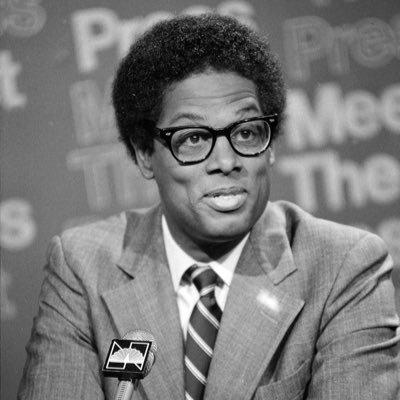
"One of the most important reasons for studying history is that virtually every stupid idea that is in vogue today has been tried before and proved disastrous before, time and again."
— Thomas Sowell
Methodology retweeted

Hitler argued that culture is not decoration it is the visible soul of a people and a civilization that mocks its own art history and heroes is already spiritually disarmed.
Methodology retweeted

You believe that "locking in" means waking up early, doing 100 push ups every day, eating healthy meals, and grinding because these are comfort-problems. They're the problems you "binge-worry" about when the real stuff appears.
Real locking in involves having awkward and difficult conversations, making decisions that might have a permanent effect on your life, and finding ways to approach the 2-3 scary things that have defined you and you've avoided throughout all of your adult.
Do you understand why doing 100 push-ups is nothing, the bare minimum, a distraction.
Methodology retweeted
Adolf Hitler argued that life is struggle and a people that tries to abolish struggle only abolishes its own vitality and the west’s cult of safety is testing that claim in real time.

Methodology retweeted

Vladimir Putin: “The murder of Charlie Kirk was a disgusting atrocity. He died because he was defending traditional values.”
I’m no fan of Putin, but when he talks with more compassion than the liberal left, something is definitely wrong


Methodology retweeted

Dostoevsky was right: every self-betrayal is a sin. Every time you say yes when you mean no, stay when you should leave, or stay quiet when you should speak, you go against your own nature. Your body keeps the record. It shows up as the knot in your stomach, the restless nights, the heaviness you can’t explain. That feeling isn’t random. It’s your own system reminding you that you left yourself behind. Listen to it before it gets louder.
Methodology retweeted

Palmer Luckey at NYT DealBook explains why he believes Elon Musk shouldn’t have to risk the entire Starlink network for Ukraine when the U.S. government isn’t willing to take the same risk with Starshield
Starshield is the military system, not Starlink. Palmer Luckey nailed it: stop expecting SpaceX to weaponize a commercial network for a government that won't even hold elections for "democracy."
via BusinessBlurb
#elonmusk #ukraine #russia #usa #billionaire
Methodology retweeted

The four biggest killers in human history are socialism, communism, Radical Islam and abortion. isn't it odd that Democrats support all of them?
Methodology retweeted

Palmer Luckey is quickly becoming one of my favorite people around. Look how stupid he made this vapid propagandist look and feel in front of everyone. Flawless execution.

Methodology retweeted

If you haven’t read Napoleon: A Life by Andrew Roberts yet, you’re missing the greatest rise and fall in history. Napoleon was born on a small island to a family with little money. He was a general at 24. At 30 he ran France. At 35 he crowned himself emperor. He fought 60 battles and lost only 7. By 40 he ruled most of Europe. Then he invaded Russia with about 600,000 men, and most of them never came back. At 44 he lost his throne and was sent to the island of Elba. Less than a year later he landed in France with about 1,000 men and took the country back without firing a shot. A hundred days later he lost it all for good at Waterloo. Roberts read all 33,000 of Napoleon’s letters to write this book. It is 900 pages. Every ambitious man should read it at least once.