
MindShift explores the future of learning, covering cultural and tech trends and innovations in education. Find the MindShift Podcast at https://teapawt.net/t.co/fbpQB5xibO
San Francisco
Joined August 2010
- Tweets34.5K
- Following1.4K
- Followers416K
- Likes6.7K


Pinned Tweet
🔎 In case you are looking to follow MindShift on different platforms here's where you can find us!
📧 Start with signing up for our newsletter for weekly updates on the future of learning:
kqed.org/newsletters/mindshi…


Now two new studies, one in Indiana and another in Ohio, find an underappreciated benefit of retention rules: motivating schools and students to improve, even those who are not ultimately held back. @Chalkbeat

1
466
Proactive and responsive differentiation are not two separate and competing approaches. They are interconnected parts of an ongoing process designed to meet the diversity of needs in classrooms. @Catlin_Tucker


Despite a plethora of outreach tools, young teachers often report building meaningful partnerships with families as one of their top challenges. @educationweek
edweek.org/leadership/workin…

649
Parents could be thinking about the "marshmallow test" all wrong. Here's the strategy they could be teaching kids instead.

3
1,351

Flag football builds community, resilience and opportunity; players come from all different athletic backgrounds.

2
1,512
Across the country, school districts are rolling out policies that signal a growing aversion toward the increasing use of technology in classrooms.

1
1
1,682
At least five major reports on school funding released in the past decade have reached conflicting conclusions. Why the strikingly different conclusions? @hechingerreport @jillbarshay

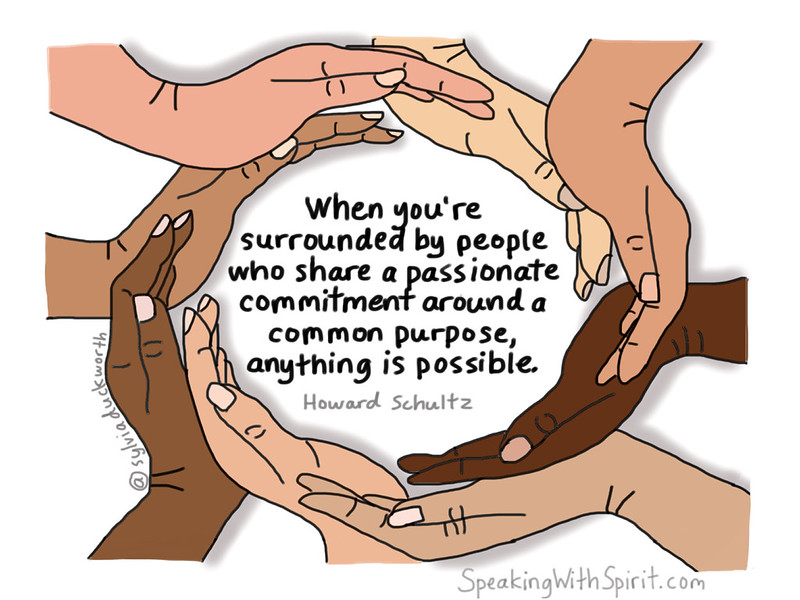
Developmental psychology and neuroscience research suggests saying “no” to children helps them experience reasonable limits and boundaries. @ParentMap


Recent audits prove at least some students in these programs shouldn’t be there at all — and the funding allocated for their participation was unwarranted. @hechingerreport

1,610
Flag football builds community, resilience and opportunity; players come from all different athletic backgrounds.

1
1,374
Whole-book reading has gradually lost its place in many classrooms. Here's how teachers can make room for them again, even within a packed curriculum. @cultofpedagogy

This district infused a morphology unit into their reading and writing program to build students’ decoding and comprehension skills. @middleweb
middleweb.com/54874/getting-…
2
1,097


They’re all crunching real data. And no one is accusing anyone else of chicanery or bad math. So what’s going on? @hechingerreport @jillbarshay
