Averlon (@Averlon_ai) header
Averlon (@Averlon_ai) profile picture

Agentic Remediation Operations. From findings to fixes, at scale. https://teapawt.net/t.co/AVuJU5tuH5

United States
Joined March 2024
Photo by Averlon (@Averlon_ai)Photo by Averlon (@Averlon_ai)Photo by Averlon (@Averlon_ai)Photo by Averlon (@Averlon_ai)Photo by Averlon (@Averlon_ai)Photo by Averlon (@Averlon_ai)Photo by Averlon (@Averlon_ai)Photo by Averlon (@Averlon_ai)Photo by Averlon (@Averlon_ai)Photo by Averlon (@Averlon_ai)
Most security teams don’t fail at detection. They fail at remediation. Findings pile up faster than teams can triage, prioritize, and fix. More tools just add more scores and backlogs. Security needs an operating model for turning findings into action. That’s why we’re building Agentic Remediation Operations.
1
2
379
Averlon retweeted
Replying to @mistral
@Mistral 𝗟𝗮𝗿𝗴𝗲 𝟰 is a good all-around model for cybersecurity tasks. We ran it through three of our cybersecurity evals alongside other frontier models. It finished in the top five on all of them. Impressive release from Mistral. 𝗩𝘂𝗹𝗻𝗲𝗿𝗮𝗯𝗶𝗹𝗶𝘁𝘆 𝗱𝗶𝘀𝗰𝗼𝘃𝗲𝗿𝘆: 58.4, within 2.7 points of the leader, Claude Fable 5.1 (61.1), for $10. Every model that scored higher cost more. 𝗩𝘂𝗹𝗻𝗲𝗿𝗮𝗯𝗶𝗹𝗶𝘁𝘆 𝗹𝗼𝗰𝗮𝗹𝗶𝘇𝗮𝘁𝗶𝗼𝗻: solved 13 of 31 tasks, fourth behind GPT-6 Astra (17). 𝗧𝗵𝗿𝗲𝗮𝘁 𝗶𝗻𝘁𝗲𝗹𝗹𝗶𝗴𝗲𝗻𝗰𝗲: 0.68, fourth behind Kimi K3 (0.72). One things we noticed in the evals it that this model reasons well when the evidence is in the prompt, and struggles when it has to recall specifics from its own memory.
2
2
5
94
Averlon retweeted
Muse Wonder, is excellent all-around for cybersecurity tasks. @alexandr_wang and @meta are on a roll! Our team ran it through three of our cybersecurity evals alongside six other frontier models. Muse Wonder was the only model to finish in the Top 3 on all of them. Vulnerability discovery: 59.7, within 1.4 points of the leader, Claude Fable 5.1 (61.1). Muse Wonder cost $17 to run. Fable cost $38 and GPT-6 Astra cost $71. Vulnerability localization: solved 16 of 31 tasks, one behind GPT-6 Astra. Threat intelligence (CTI-REALM): 0.71, second to Kimi K3 (0.72) at about half the cost. Each of the three benchmark leaders finished fourth or lower on at least one of the other two. Muse Wonder held up across all three.
2
1
1
2
144
Averlon retweeted
To Jev or not to Jev? :) The fastest classifier is the one that's fast on your task. Jev wasn't, for us. Given all the excitement around Jev's speed and accuracy, we wanted to evaluate it in our production scenarios. Our AI Researcher Sahil measured Jev against several other small LLMs including one that we post-trained on and the outcomes were insightful. While Jev was incredibly fast and did very well on accuracy, the small LLMs beat it on both accuracy and latency. Granted latency for concurrent requests here would vary depending on hw for the small LLMs
1
2
6
85
Averlon retweeted
Microsoft built a benchmark (CTI_REALM) that makes an agent read a threat report and write detection rules that actually fire. We ran several frontier models on it, and one thing of our own. In this benchmark, the agent gets a real threat intel report, explores the telemetry, iterates on KQL, and has to produce detection rules that work across Linux, Kubernetes and Azure. It is scored at every checkpoint, not just the final answer. This is similar to what a detection engineer would on their daily job. Take a look at the chart. Interesting to see the larger model doesn't always been better output. GLM-5.3 Flash scored better than GPT-5.6 Sol at a much lower cost. Last week I said defenders need the same step-function jump offense just got, at a price that's practical. This is what that looks like on one workflow. Not a better model. The right model for each step, at a cost that lets a team run it on every report instead of the few they have time for.
1
1
1
5
404
Averlon retweeted
Frontier models enabled a step-function jump in offensive security capability. The @huggingface incident showed what agents do when nobody is watching. Astra crossed @OpenAI's own "Critical" cyber line this week. Defenders need the same jump. But they need it at scale, and at a price that's practical. Othewise this does not end well for our ecosystem. We have been heads-down building something new to close that gap. Below are early results on some of the benchmarks security practitioners actually care about. What do you all think?
1
1
1
4
537
Averlon retweeted
😬 "Astra achieves a full 100% success rate on ExploitBench, so we had to build an internal refresh..."
openai.com/index/path-to-ast… Astra achieves a full 100% success rate on ExploitBench, so we had to build an internal refresh using newly disclosed vulnerabilities from June through August that fall after the model’s knowledge cutoff. On this refreshed benchmark, Astra remains dramatically stronger than GPT-5.6 Sol while using far fewer tokens. This result, together with several other pieces of evidence, has led us to believe that Astra has reached the “cyber-critical” capability threshold under our Preparedness Framework.
1
2
107
Averlon retweeted
This "only thing to do about it was to use AI-powered cyberdefense to protect our systems"
This is *exactly* what I predicted would happen. I said Chinese models would have advanced cyber capabilities within a matter of months and the only thing to do about it was to use AI-powered cyberdefense to protect our systems. Trying to gatekeep models doesn’t work.
1
2
80
Open sourcing two things today: a security LLM leaderboard and the eval harness behind it. Think LMArena, but for security. TL;DR: there's no best model for security, the best model changes with the task. So we measured it, per task. Every model is scored on publicly available benchmarks across three axes: accuracy, cost, and reliability. Findings: - 🏆 Claude Opus 4.8 wins threat intel, malware analysis and detection engineering. GPT-5.5 takes vulnerability management. - 💰 MiniMax M3 delivers ~95% of the closed models' threat-intel score at $2.82 per 1k questions vs $54.68 for GPT-5.5. - 🥇 Open models do better than the closed models in select tasks - DeepSeek-V4-Pro beats GPT-5.5 on threat-intel reasoning and Opus on CVSS scoring. MiniMax M3 and gpt-oss-120b both edge GPT-5.5 on malware analysis. - ⚠️ Reliability seems to be an issue with open source models. GLM-5.2 scored fine when it answered, but returned a usable answer only 70% of the time. Currently covers 4 domains: threat intelligence, malware analysis, detection engineering, vulnerability management — 7 benchmarks. More domains in the coming days. Leaderboard: secllmleaderboard.dev Eval harness: github.com/OpenSource-Securi…
1
4
205
Averlon retweeted
Everyone's worried about jailbreaks. Attackers are just port-scanning for exposed AI app servers. Langflow RCE → Monero miner in under 20 hours from advisory to in-the-wild. Your AI attack surface is mostly boring infra with "AI" in the name. Basics still matter. Start with inventorying your AI.
🚨 CVE-2026-33017 is being exploited against Langflow. Attackers abuse an unauthenticated API endpoint to run Python code, drop Lambsys, and launch a Monero miner. Lambsys can spread via reused SSH keys. Langflow attack chain: thehackernews.com/2026/06/la…
1
3
101
Anthropic's Fable 5 launch is getting a lot of attention. It reinforces a trend security and business leaders are paying close attention to: vulnerability discovery is accelerating faster than most organizations can keep up. Anthropic's vulnerability disclosure dashboard offers a concrete data point: • 23,019 candidate findings discovered • 1,596 vulnerabilities disclosed to maintainers • 97 patched upstream The gap between those numbers is the story. It's not that AI can find vulnerabilities at scale. It's that discovery is accelerating faster than the ecosystem can validate, remediate, test, and release fixes. Sunil (@sunilgot) explores the implications in After Mythos: why AI compressing the time between software creation, vulnerability discovery, exploit validation, and attacker use requires security leaders to move beyond traditional vulnerability management and toward vulnerability resilience. Read the (ungated) paper: averlon.ai/whitepapers/after…
1
4
172
Averlon joins Anthropic's Cyber Verification Program to help security teams handle what comes next. Detection of vulnerabilities has never been a problem. Then Mythos happened. And discovery turned into a flood. Mythos surfaced over 20,000 critical findings in two months. Other frontier models are close behind. The operational infrastructure that receives those findings was never built for this volume. 𝗔𝘃𝗲𝗿𝗮𝗴𝗲 𝘁𝗶𝗺𝗲 𝘁𝗼 𝗿𝗲𝗺𝗲𝗱𝗶𝗮𝘁𝗶𝗼𝗻 𝗶𝗻 𝟮𝟬𝟮𝟱: 𝟮𝟱𝟮 𝗱𝗮𝘆𝘀. Up from 171 days in 2020. 𝗧𝗵𝗲 𝗯𝗼𝘁𝘁𝗹𝗲𝗻𝗲𝗰𝗸 𝘄𝗮𝘀 𝗮𝗹𝘄𝗮𝘆𝘀 𝗱𝗼𝘄𝗻𝘀𝘁𝗿𝗲𝗮𝗺. Triage. Prioritization. Getting the right fix into the right hands without breaking anything. That is the RemOps mission. That is exactly why this partnership with Anthropic makes sense. averlon.ai/blog/averlon-join…
1
4
177
Most shift-left implementations never actually shifted left enough. Finding issues earlier doesn’t help if those findings are still noisy and hard to prioritize. Shift-left was progress. Scanners moved earlier in the pipeline. But scanning code in isolation, without understanding how it runs in your environment, what it connects to, what blast radius it creates, means you still can’t separate what genuinely matters from what doesn’t. The result: findings arrive earlier, but remain just as hard to prioritize. Shift-left done right isn’t about where in the pipeline you scan. It’s about whether you have the environmental context to know what’s actually exploitable before the code ships. 𝗧𝗵𝗮𝘁 𝗰𝗼𝗻𝘁𝗲𝘅𝘁 𝗶𝘀 𝘄𝗵𝗮𝘁 𝘁𝘂𝗿𝗻𝘀 𝗲𝗮𝗿𝗹𝗶𝗲𝗿 𝗱𝗲𝘁𝗲𝗰𝘁𝗶𝗼𝗻 𝗶𝗻𝘁𝗼 𝗲𝗮𝗿𝗹𝗶𝗲𝗿 𝗽𝗿𝗲𝘃𝗲𝗻𝘁𝗶𝗼𝗻. 𝗔𝗻𝗱 𝗲𝗮𝗿𝗹𝗶𝗲𝗿 𝗽𝗿𝗲𝘃𝗲𝗻𝘁𝗶𝗼𝗻 𝗶𝘀 𝘁𝗵𝗲 𝗼𝗻𝗹𝘆 𝗺𝗼𝗱𝗲𝗹 𝘁𝗵𝗮𝘁 𝗵𝗼𝗹𝗱𝘀 𝘄𝗵𝗲𝗻 𝗲𝘅𝗽𝗹𝗼𝗶𝘁𝗮𝘁𝗶𝗼𝗻 𝘁𝗶𝗺𝗲𝗹𝗶𝗻𝗲𝘀 𝗵𝗮𝘃𝗲 𝗴𝗼𝗻𝗲 𝗻𝗲𝗴𝗮𝘁𝗶𝘃𝗲. averlon.ai/blog/averlon-prec…
5
134
Finding a vulnerability and closing it are different disciplines. Detection decomposes software down the stack. A CVE in a library, dependency, base image, vendor binary. But remediation has to climb back up: different owner, different team, different release cycle. One goes down. The other has to climb back up. As AI accelerates both code delivery and vulnerability discovery, the volume of findings grows while the time available to understand and address them shrinks. That combination doesn't just make remediation harder. 𝗜𝘁 𝗺𝗮𝗸𝗲𝘀 𝘁𝗵𝗲 𝗿𝗼𝘂𝗻𝗱 𝘁𝗿𝗶𝗽 𝗶𝘁𝘀𝗲𝗹𝗳 𝗮 𝗹𝗶𝗮𝗯𝗶𝗹𝗶𝘁𝘆. Precog prevents exploitable risk from reaching production in the first place. Averlon's agentic remediation closes what's already there. 𝗙𝗲𝘄𝗲𝗿 𝘁𝗵𝗶𝗻𝗴𝘀 𝗴𝗼𝗶𝗻𝗴 𝗶𝗻. 𝗙𝗮𝘀𝘁𝗲𝗿 𝗿𝗲𝘀𝗼𝗹𝘂𝘁𝗶𝗼𝗻 𝗼𝗻 𝘄𝗵𝗮𝘁 𝗿𝗲𝗺𝗮𝗶𝗻𝘀. averlon.ai/blog/vulnerabilit…
5
86
The security industry has spent decades getting better at finding risk. The backlog is what that gets you. That path is no longer feasible when your 𝘁𝗶𝗺𝗲-𝘁𝗼-𝗲𝘅𝗽𝗹𝗼𝗶𝘁 𝗶𝘀 𝗺𝗶𝗻𝘂𝘀 𝘀𝗲𝘃𝗲𝗻 𝗱𝗮𝘆𝘀. When a developer opens a pull request, they shouldn't need a security review cycle to find out it's about to expose two AWS instances with critical vulnerabilities to the public internet. They should just know. Before it merges. 𝗧𝗼𝗱𝗮𝘆 𝘄𝗲'𝗿𝗲 𝗶𝗻𝘁𝗿𝗼𝗱𝘂𝗰𝗶𝗻𝗴 𝗔𝘃𝗲𝗿𝗹𝗼𝗻 𝗣𝗿𝗲𝗰𝗼𝗴, predictive remediation that evaluates proposed changes in your actual environment, identifies what's genuinely exploitable, and delivers the fix in the developer workflow before it reaches production. (and for all the Minority Report fans, you know what precog stands for) With the window between exposure and exploitation going negative, the only place left to act is before the code ships. averlon.ai/blog/averlon-prec…
2
3
72
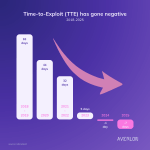
Exploitation timelines have gone negative. Mandiant M-Trends 2026 report found that mean time-to-exploit collapsed from 63 days in 2018 to an estimated negative seven days in 2025. Negative. Exploitation now begins before a patch exists. Security teams have spent 20 years building programs designed to find risk after it reaches production and fix it before it's exploited. That window no longer reliably exists. The question now is what security programs look like when the exposure window keeps shrinking. We're going to talk a lot more about this over the next week.
2
4
109
Most security teams aren't running one scanner. They're running several. One for cloud misconfigurations. One for cloud vulnerabilities. SCA, SAST, DAST, IaC. Each sees a slice of the problem. 𝗔 𝘀𝗲𝗰𝘂𝗿𝗶𝘁𝘆 𝗮𝗻𝗮𝗹𝘆𝘀𝘁 𝗻𝗲𝗲𝗱𝘀 𝘁𝗼 𝗰𝗼𝗻𝘀𝘂𝗺𝗲 𝗮𝗹𝗹 𝘁𝗵𝗮𝘁 𝗮𝗻𝗱 𝗮𝗹𝗶𝗴𝗻 𝗶𝘁 𝘄𝗶𝘁𝗵 𝘄𝗵𝗮𝘁 𝘁𝗵𝗲𝗶𝗿 𝗲𝗻𝘃𝗶𝗿𝗼𝗻𝗺𝗲𝗻𝘁 𝗹𝗼𝗼𝗸𝘀 𝗹𝗶𝗸𝗲 𝗯𝗲𝗳𝗼𝗿𝗲 𝘁𝗵𝗲𝘆 𝗰𝗮𝗻 𝘂𝗻𝗱𝗲𝗿𝘀𝘁𝗮𝗻𝗱 𝘁𝗵𝗲 𝗿𝗲𝗹𝗲𝘃𝗮𝗻𝗰𝗲 𝗮𝗻𝗱 𝗰𝗿𝗶𝘁𝗶𝗰𝗮𝗹𝗶𝘁𝘆 𝗼𝗳 𝗮𝗻 𝗶𝘀𝘀𝘂𝗲 𝗶𝗻 𝘁𝗵𝗲𝗶𝗿 𝗲𝗻𝘃𝗶𝗿𝗼𝗻𝗺𝗲𝗻𝘁. When Manish Varma Datla (@manishv08576231) was at Salesforce, his team had the same problem. At Averlon, he built the answer to it. In this clip: he walks through what it actually means to have an AI security engineer that understands your environment, and analyzes CVEs in context. 𝟮𝟰𝟬,𝟬𝟬𝟬 𝗶𝘀𝘀𝘂𝗲𝘀 𝗱𝗲𝘁𝗲𝗰𝘁𝗲𝗱. 𝗢𝗻𝗹𝘆 𝟯,𝟬𝟬𝟬 𝗱𝗲𝗲𝗺𝗲𝗱 𝗮𝗰𝘁𝘂𝗮𝗹𝗹𝘆 𝗲𝘅𝗽𝗹𝗼𝗶𝘁𝗮𝗯𝗹𝗲. That's the gap between noise and risk. Short clip below. Full on-demand demo: averlon.ai/webinars/remediat…
2
5
124
𝗖𝗼𝗽𝘆 𝗙𝗮𝗶𝗹 (𝗖𝗩𝗘-𝟮𝟬𝟮𝟲-𝟯𝟭𝟰𝟯𝟭) 𝗵𝗮𝘀 𝗯𝗲𝗲𝗻 𝗮𝗱𝗱𝗲𝗱 𝘁𝗼 𝗖𝗜𝗦𝗔'𝘀 𝗞𝗻𝗼𝘄𝗻 𝗘𝘅𝗽𝗹𝗼𝗶𝘁𝗲𝗱 𝗩𝘂𝗹𝗻𝗲𝗿𝗮𝗯𝗶𝗹𝗶𝘁𝗶𝗲𝘀 𝗹𝗶𝘀𝘁. A Linux kernel vulnerability present across major distributions since 2017. No race conditions. No user interaction required. A compromised container, CI runner, or low-privilege account is enough to escalate to root on the host. Vishal Agarwal (@vishalagarwa6c), our CTO clearly explains: "Copy Fail is a reliable, portable privilege-escalation primitive across major Linux distributions. Once an attacker gains any initial foothold, they can consistently escalate privileges to root. That's why this is a patch-now situation. The real risk is in shared and containerized environments. A vulnerability like this can break isolation boundaries, turning a limited compromise into control of the underlying system and a path to lateral movement. That's what makes this more than just another kernel issue." 𝗔𝗻𝗮𝗹𝘆𝘀𝗶𝘀 𝗶𝗻 𝗔𝘃𝗲𝗿𝗹𝗼𝗻 𝗩𝘂𝗹𝗻𝗲𝗿𝗮𝗯𝗶𝗹𝗶𝘁𝘆 𝗜𝗻𝘁𝗲𝗹𝗹𝗶𝗴𝗲𝗻𝗰𝗲: research.averlon.ai/vulnerab… 𝗔𝗱𝗱𝗶𝘁𝗶𝗼𝗻𝗮𝗹 𝗰𝗼𝗻𝘁𝗲𝘅𝘁: informationsecuritybuzz.com/…
3
132
Call it VulnOps. Call it RemOps. Call it Remediation Operations. The name doesn’t matter. The gap does. Security programs have gotten good at finding issues. But discovery was never the hard part. The hard part starts after detection: triage, prioritization, and actually closing the exposure. Most programs aren’t built for this phase. As AI accelerates both discovery and exploit development, that gap becomes harder to manage. Finding the issue doesn’t reduce the risk. Closing it does.
4
40
𝗖𝗩𝗦𝗦 𝟵.𝟴. 𝗘𝘅𝘁𝗲𝗿𝗻𝗮𝗹𝗹𝘆 𝗲𝘅𝗽𝗼𝘀𝗲𝗱. 𝗡𝗲𝘁𝘄𝗼𝗿𝗸 𝗲𝘅𝗽𝗹𝗼𝗶𝘁𝗮𝗯𝗹𝗲. 𝗠𝗼𝘀𝘁 𝘁𝗲𝗮𝗺𝘀 𝘄𝗼𝘂𝗹𝗱 𝘁𝗿𝗲𝗮𝘁 𝘁𝗵𝗮𝘁 𝗮𝘀 𝗰𝗿𝗶𝘁𝗶𝗰𝗮𝗹. 𝗜𝗻 𝘁𝗵𝗶𝘀 𝗰𝗮𝘀𝗲, 𝗶𝘁 𝘄𝗮𝘀𝗻'𝘁. Averlon triaged it to 3.4. Why? Wrong package, wrong environment. The exploit required Windows Subsystem for Linux. This was a containerized Linux workload. 𝗖𝗩𝗦𝗦 𝗱𝗲𝘀𝗰𝗿𝗶𝗯𝗲𝘀 𝘁𝗵𝗲𝗼𝗿𝗲𝘁𝗶𝗰𝗮𝗹 𝘀𝗲𝘃𝗲𝗿𝗶𝘁𝘆. 𝗡𝗼𝘁 𝗿𝗲𝗮𝗹 𝗿𝗶𝘀𝗸. At scale, this kind of contextual analysis reduces critical issue volume by 90–95%. Short clip from the platform below. Full recording: averlon.ai/webinars/remediat…
1
3
94
𝗧𝗵𝗿𝗲𝗲 𝗶𝗻𝗰𝗶𝗱𝗲𝗻𝘁𝘀. 𝗧𝗵𝗿𝗲𝗲 𝗰𝗼𝗺𝗽𝗮𝗻𝗶𝗲𝘀. 𝗢𝗻𝗲 𝘂𝗻𝗱𝗲𝗿𝗹𝘆𝗶𝗻𝗴 𝗽𝗮𝘁𝘁𝗲𝗿𝗻. Vercel. Lovable. Vimeo. In each case, the breach wasn't in the target's own code. It was in a third-party tool with token-based access into connected environments. Once the token was compromised, the blast radius was defined by what that token was allowed to do. 𝗜𝗻𝗶𝘁𝗶𝗮𝗹 𝗮𝗰𝗰𝗲𝘀𝘀 𝘀𝗲𝘁𝘀 𝘁𝗵𝗲 𝗲𝗻𝘁𝗿𝘆 𝗽𝗼𝗶𝗻𝘁. 𝗘𝗻𝘁𝗶𝘁𝗹𝗲𝗺𝗲𝗻𝘁𝘀 𝘀𝗲𝘁 𝘁𝗵𝗲 𝗯𝗹𝗮𝘀𝘁 𝗿𝗮𝗱𝗶𝘂𝘀. In practice: service principals accumulate permissions. Third-party integrations inherit broad access. Tokens sit dormant until they don't. When something goes wrong, permissions decide how bad it gets. averlon.ai/blog/when-permiss…
1
4
68