

The latest on the tools, tactics, techniques, technologies & strategies of the political consulting profession. Founded 1980.
Washington, D.C.
Joined August 2008
- Tweets11K
- Following1.5K
- Followers17K
- Likes1.1K






Campaigns spend billions talking to voters and almost nothing listening to them, argues Qualtrics' Trey Elvis Hansen. In our latest Industry Voices piece, he makes the case for continuous, scalable voter listening.
Link:
hubs.ly/Q04DrNK50


Synthetic respondents can sound convincing, but no voter actually gave their answers.
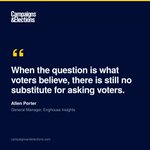
In our latest Industry Voices piece, Enghouse Insights' Allen Porter explains where AI belongs in campaign research, where it doesn't and five questions to ask before trusting synthetic data.
hubs.ly/Q04D7l9l0


Knowing a hot-button issue isn't the same as knowing why voters care, Givsly CEO Chad Hickey argues. In our latest Industry Voices piece, he explains why campaigns that build ads around headlines instead of voter values risk ads that fall flat.
hubs.ly/Q04CSb1B0


The 2025-2026 cycle is officially the most expensive in U.S. history, with $11.21B in ad buys and reservations tracked by AdImpact and days still to go. Our latest Industry News piece breaks down record spending across Senate, House, governor and downballot races.
hubs.ly/Q04CS8bx0

Here’s the lesson for the final stretch this year: the campaigns that make late money count aren’t the ones chasing new audiences. They’re the ones turning the voters they already know into ballots cast.
Partner: @WeAreCivitech
Link to full article below:

Democratic strategist Will Bunnett argues that hitting President Trump on inflation and housing may turn off the persuadable voters Democrats need. In a new Industry Voices piece, he makes the case for focusing on smaller, easier-to-grasp flubs:
hubs.ly/Q04CtsLJ0


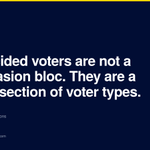
Undecided voters aren’t a persuasion bloc. A habitual supporter who’s temporarily undecided behaves nothing like a habitual opponent who is. Classify by voter type first, preference second.
Kent C. Price shares his analysis with C&E's Industry Voices: hubs.ly/Q04BxFsF0

Is radio the most overlooked channel in campaign media plans? C&E put the question to Audacy's Ray Borelli, who brought receipts from the 2022 midterms.
Working with Nielsen, Audacy tracked real campaign spend and found that dollars placed in radio reached voters that TV and social media were missing. In Nevada, the Republican candidate for governor put just 4% of his budget into radio. It brought him an incremental reach of about 100,000 voters, and he won the race by 14,000.
“So that very well could have been the difference."
Authentic, one of the biggest Democratic digital firms, is shutting down by year's end, less than three weeks before the midterms.
Leadership says money isn't the issue.
hubs.ly/Q04BBml10

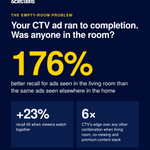
A 100% completed CTV impression can still play to an empty room. Ads seen in the living room get 176% better recall than the same ads elsewhere in the home, per Thinkbox.
Read Erika Loberg's piece for Campaigns & Elections' Industry Voices here: hubs.ly/Q04BxwwB0
