





Paywall tests at Lensing Media lifted conversion rates by 83%. 4 news publishers share how habits, data, and teamwork are driving subscription growth. ow.ly/jxN05109CAz


2
86
SCMP combined 1980s building records with census data to show who likely lived in the 1,984 flats caught in Hong Kong's deadliest fire in decades. ow.ly/pNzM5109CzJ


1
84
OpenAI’s Business Hub makes it “both the player and the referee” in AI brand visibility. Does that box out publishers selling AI visibility? Not yet, said INMA’s Gabriel Dorosz: ow.ly/AbjB5109f7U

1
83
“There is no ceiling for subscriptions, but there clearly is a ceiling for Web sites,” said INMA’s Greg Piechota. Here’s how Die Zeit and SvD are growing elsewhere: ow.ly/IRFL5109f6P


73
Google is ending its deal with 24 small Australian publishers, three months after Australia’s News Bargaining Incentive took effect. No tech company is believed to have signed a new deal since: ow.ly/upk05109f6h

126
Facebook paid creators nearly US$3B in 2025, up 35%. Newsday's Gabriella Vukelić on what Meta says matters for publishers: broadcast channels, Reels, Edits and creator payouts: ow.ly/uq845108P2R

1
79
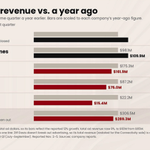
Digital ad revenue in Q3: Dow Jones and NYT up 12%, People Inc. down 8%, USA Today Co. down 13.9%. The publishers losing the most traffic lost ad revenue too: ow.ly/v6uU5108P24

The Boston Globe tripled digital subscribers with a 6-month, $1 trial. Reach, The Daily Beast and The Washington Post shared their subscription playbooks too. ow.ly/n5JK5108P1l


1
101
Compound scores hide what a team can actually improve. Newsroom leaders share 7 ways to make metrics useful to editorial teams, starting with simple measures each team can act on: ow.ly/q6hP5108kwv

65
82% of the world’s 50 largest news subscription brands now advertise a discounted intro. Readers pay first and form the habit later, so subscriptions are won or lost in onboarding: ow.ly/S2NM5108kw2


1
87
Canada has considered exempting Meta from its Online News Act. In Australia, Meta is unlikely to strike deals under the new payment law. The two countries that pioneered making platforms pay for news are both wobbling: ow.ly/JKX45108kvB

Newsrooms have more data than ever, but less insight. Science Friday found its answer in years of ignored listener voicemails, now transcribed, tagged, and shared with editors:
ow.ly/ZrxW5107Wsk


71
“Complex is fine, just make it compelling.” The Irish Times asked 18- to 34-year-olds what they want from news, then built three new products around their answers:
ow.ly/PI3Y5107Wqb


58
As AI cuts into referral traffic, The Age took its journalism offline. Its Melbourne Assembly drew 1M+ pageviews, new subscribers, and 10 sponsors. Why live events are an AI-resistant audience play: ow.ly/4liv5107WoJ

96
AI-edited news posts read as more neutral and less toxic, but they didn’t make outlets seem more credible. New Center for Media Engagement research: ow.ly/3F4G5107zB9

116
3 weeks to launch. 1,000 subscribers in 5 weeks. 21.5% more subscriptions. How Tiroler Tageszeitung won over young football fans on WhatsApp: ow.ly/nrqo5107zAZ


76
Polish no longer equals trust. The Times of India and Reuters explain how they use AI in visual journalism, and where they draw the line. ow.ly/9OgI5107zAC


79
ow.ly/uwoi5107byO spent three decades free. The U.K.’s Reach built its name on pageviews. Both now ask readers to pay. What changes when a brand built for reach launches a paywall: ow.ly/19aJ5107bz2


66
One publisher accepts a 5% first-year return on new events. Another won’t let one lose money, ever. Neither is wrong. What an initiative must prove before it earns the right to scale: ow.ly/QFmQ5107byr

67
Australia forced Big Tech to pay for news. Now it may let AI companies train on that content for free. Former ACCC chair Rod Sims on why Australia risks becoming a global haven for copyright theft. ow.ly/BoI95107bye

99