

Swiss Re helps insurers and direct clients to shoulder risks through re/insurance and other solutions. Risk is our raw material. What we create is opportunity.
Zurich
Joined October 2008
- Tweets17.8K
- Following2.7K
- Followers37.9K
- Likes6.8K

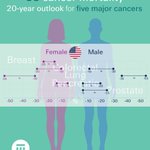




UK lung cancer mortality could fall by up to 50% over the next 20 years, compared with up to 20% for pancreatic cancer. Our projections for five major cancers show varying rates of progress, with implications for Life & Health insurers. Explore more 👉 ow.ly/a0ZI51025uS

US lung cancer mortality could fall by up to 55% over the next 20 years, compared with up to 20% for pancreatic cancer. Our projections for five major cancers reveal different rates of progress, with implications for Life & Health insurers. Explore more 👉 ow.ly/2jhe51025si

Swiss Re projects declining mortality rates for 5 major cancers in the US and UK over the next 20 years. But cancer diagnoses will increase as populations age, and more people will live longer after a cancer diagnosis, changing risks for L&H insurers.
👉 ow.ly/fy1I50ZZZXn

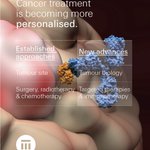
Cancer treatment is becoming increasingly personalised.
Discover the four advances driving this transformation and why they matter for the future of Life & Health insurance.
Learn more: ow.ly/rIx450ZX3Hm


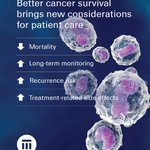
🩺 Better cancer survival is changing more than patient outcomes. As survivorship grows, so does the need for long-term monitoring and managing recurrence and any residual treatment effects.
Discover more in our latest report: ow.ly/KNNU50ZS79g

🧬 The biggest advances in cancer treatment aren't just new therapies. They're smarter ways of choosing them. Discover how precision oncology is helping make cancer treatment more personalised: swissre.com/reinsurance/insi…

A global capex super-cycle is underway. AI data centres and renewable energy could generate ~USD 200 bn in cumulative commercial P&C premiums between 2026–2030.
But larger, more interconnected assets also increase risk accumulation.
Explore sigma 3/2026:ow.ly/OWGv50ZISG7


Our ambition is to become a leading AI-powered re/insurer. Discover how we’re putting that ambition into practice: ow.ly/Kzmg50ZHeFq

ALT Swiss Re's ambition is to become a leading AI-powered re/insurer. Discover how we’re putting that ambition into practice.
🧬 No two cancers are exactly alike. Increasingly, their treatment isn't either.
Discover how precision oncology, such as targeted therapies and immunotherapies, is driving more personalised cancer care in our latest report: ow.ly/UHRJ50ZATaB
🌡️ Europe now experiences 64% more hot days than in the 1950s.
Explore our latest first-half 2026 natural catastrophe loss estimates, covering wildfire risk, insured losses and the North Atlantic hurricane outlook:
ow.ly/81W750ZyQSF
Three markets. Three perspectives.
Explore what's shaping insurance across China, Europe and Japan in our latest regional analyses.
Learn more: ow.ly/LjeS50ZyQOU

64% more hot days in Europe. First-half 2026 insured natural catastrophe losses stayed below trend. Explore our latest 1H26 nat cat loss estimates, covering wildfire risk in Europe, US severe convective storms and the Atlantic hurricane outlook.
🔗 ow.ly/2Pcr50Zy62k


🔬 Global age-standardised cancer mortality fell by 24% between 1990 and 2023, even as more people were diagnosed with cancer. Discover how advances in diagnosis and treatment are improving outcomes in our latest report. ow.ly/mWXf50ZxYqv

Swiss Re has reported a strong first half of 2026, with a Group net income of USD 2.8 billion and improved earnings across all three Business Units. Learn more about our first-half 2026 financial results: ow.ly/9XGN50ZwReC

🩺 More people are surviving cancer than ever before. As survivorship grows, so do the implications for Life & Health insurance. Discover what advances in cancer treatment could mean for insurers in our latest report: swissre.com/reinsurance/insi…
🧬 Cancer treatment is becoming increasingly personalised. Discover how targeted therapies and immunotherapy are helping change how cancer is treated: ow.ly/rFYJ50ZoNN8

🧬 Cancer treatment is entering a new era. From surgery, radiotherapy and chemotherapy to precision oncology such as targeted therapies and immunotherapy, and progress driven by AI, our latest report explores the future of personalised cancer care. ow.ly/pHgs50ZoNMT
🚨 Risk REconsidered returns with a fresh look! 🎧 Discover why the 2011 Thai floods still matter: watch now! #RiskREconsidered #podcast
Recovery is only part of the resilience story. Measures that reduce risk before disaster strikes can help lower losses, support insurability and strengthen resilience over time. Read the latest sigma insights 👉 ow.ly/XgWj50Z9q49

🔬 Screening improves cancer outcomes, but uptake varies widely. Cervical screening ranges from 70–80% in some countries to below 50% in others. Access alone is not enough. Awareness and participation are major bottlenecks. ow.ly/5nWb50Z19lR
