

Web3 builder. Frontend Dev || Music lover || Video Editor || Collab Manager @qappi_official || Ambassador @GOATNetwork. DM open for collaboration.
Joined June 2024
- Tweets27.8K
- Following3.2K
- Followers2.4K
- Likes56.1K





Pinned Tweet
ᴍᴏsᴛ ᴏꜰ ᴜs sᴄʀᴏʟʟ ᴘᴀsᴛ ɢᴏᴏᴅ ᴄᴏɴᴛᴇɴᴛ ᴇᴠᴇʀʏ ᴅᴀʏ ᴀɴᴅ ɴᴇᴠᴇʀ sᴀʏ ᴀ ᴡᴏʀᴅ ᴀʙᴏᴜᴛ ɪᴛ 👀
@GOATNetwork just turned that habit into a competition, and I think the idea is better than it first sounds.
It is called GOAT on Socials. It runs from November 4th to 18th, and $250 USDT is shared between 10 winners.
Here is what I like about it. GOAT does not only publish on X. Its interviews, product demos, explainers and research articles also go out on LinkedIn, YouTube, TikTok, Facebook, Instagram and Medium, covering the bitcoin-secured infrastructure it is building for agentic commerce. The goal of the campaign is to bring that work to a wider audience, and it asks you to be part of that.
The assignment is simple. Pick one post, video or article from any of those channels. Write an original post about it on X: what it covers, what you learned, or why it is worth someone's time. Put the direct link to the original in your post. Then, drop your X post link in the Campaigns Hub on Discord. Before all that, follow GOAT Network on the platforms and engage with what is there, because it is hard to write something real about content you have not actually looked at.
ᴛʜᴇ ʀᴇᴡᴀʀᴅs
Now the money, because people will ask. The $250 USDT splits like this:
▸ $70 for first place
▸ $45 for second
▸ $30 for third
▸ $15 each for seven more winners
Ten people in total share the pool.
Here is where it gets interesting. Submissions are judged on originality, quality, relevance and how well you present the GOAT content you picked. The rules are also clear about what will not count:
▸ Generic reposts
▸ Copied content
▸ Posts that share a link without meaningful commentary
Each X post has to highlight one specific post, video or article, with a direct link to it.
Read that again. A bare link will not win anything. Your voice is the entry. I like that rule. It rewards the people who actually engaged with the content.
ʜᴇʀᴇ ɪs ʜᴏᴡ ɪ ᴡᴏᴜʟᴅ ᴀᴘᴘʀᴏᴀᴄʜ ɪᴛ
First, I would pick the piece I could explain to a friend in two sentences. If I cannot do that, I probably have not understood it well enough to write about it yet.
Second, I would lead with the one idea that stood out, not a summary of everything. Summaries are what generic posts are made of.
Third, I would say who it is for. "Worth your time if you care about how AI agents will pay for things" tells a reader far more than "great content".
Fourth, I would double check the link. A channel's front page is not a specific post. The campaign wants the direct link to the original item.
ɴᴏᴛ sᴜʀᴇ ᴡʜᴇʀᴇ ᴛᴏ ʟᴏᴏᴋ?
GOAT's recent work has covered AI agent payments with GOAT Flow, the BitVM3 bridge and its bug bounty, the Ziren zkVM and a post-quantum migration plan. See which of those are on the channels below and pick whatever grabs you.
LinkedIn: linkedin.com/company/goatrol…
YouTube: youtube.com/@GOAT_Rollup
TikTok: tiktok.com/@goat_rollup
Facebook: facebook.com/profile.php?id=…
Instagram: instagram.com/goatrollup
Medium: medium.com/@goat_network
The campaign closes on November 18th. Pick one thing, say something real about it and submit it.
Good luck to y'all.
🤝 Paid partnership


ᴢɪʀᴇɴ 2.0 ɪs ʟɪᴠᴇ, ᴀɴᴅ ɪᴛ sɪᴛs ᴀᴛ ᴛʜᴇ ʜᴇᴀʀᴛ ᴏꜰ ɢᴏᴀᴛ ɴᴇᴛᴡᴏʀᴋ's sᴛᴀᴄᴋ.
@GOATNetwork says every state transition of its zkEVM is proved by Ziren, and that its BitVM3 bridge is designed to settle on those proofs. So when ZKM, the team behind Ziren, replaces its proving core, it matters to GOAT. Here is what changed in short.
ᴡʜᴀᴛ ᴄʜᴀɴɢᴇᴅ
A zkVM runs a program and produces a proof that it ran correctly. Ziren 2.0 swaps the engine that produces those proofs for a new proof system called jagged-over-WHIR, rebuilt across 1,690 commits and documented in a design paper on the IACR ePrint Archive. Instead of one separate check per table, one combined check covers every chip's rules, and the data is stacked at its real size with no padding. Commitments are hash-based throughout. Programs that built for earlier versions build unchanged, in Rust, C and Go.
ᴛʜᴇ ɴᴜᴍʙᴇʀs
- Speed and cost: on Ethproofs, the Ethereum Foundation's open proving dashboard, Ziren proves the average Ethereum mainnet block in 8.6 seconds on a four-GPU cluster, at an average of $0.0061 per proof (as of Nov 3)
- Size: the final proof is about 284 KiB, however long the execution ran
- Checking: native verification takes about 25 milliseconds
- Scaling: a 358-million-cycle block took 51.3 seconds on one GPU and 16.7 on four
- Range: fifteen consecutive mainnet blocks proved end to end with two different execution clients, Reth and Geth
The path so far, per ZKM: production 1.0 in May 2025, an independent evaluation by ProofLab in September 2025, Ziren becoming the first zkVM to prove Geth without modifying the Go compiler in April 2026, the design paper in October 2026, and now 2.0.
ᴛʜᴇ sᴇᴄᴜʀɪᴛʏ ᴀᴄᴄᴏᴜɴᴛ
Determinism is machine checked in Lean: 57 chips, 104 theorems, all closed. The paper states more than 100 bits of interactive soundness at every proving stage and 93.5 bits of composite security for a whole block, and it lists the open items in one place. Soundness rests on the verifier and what it reads. A bug in the executor or GPU kernels yields a proof that fails to verify, not one that verifies falsely.
ᴡʜᴀᴛ ɪᴛ ᴍᴇᴀɴs ꜰᴏʀ ɢᴏᴀᴛ ɴᴇᴛᴡᴏʀᴋ
- Cheaper, faster proofs matter to a network that proves every state transition
- A small, fixed-size proof is quick to check, which suits a proof-based bridge
- Security you can inspect: public benchmarks, Lean checks and published accounting
- A route toward Bitcoin: Ziren is developing a hash-based verifier for BitVM-style protocols, where a Boolean circuit checks the proof on Bitcoin only if a dispute arises
- Less friction: existing programs carry over
That hash based route also matters for GOAT's post-quantum plan. The pairing based wrapper is one of the surfaces GOAT's quantum-exposure inventory lists as exposed, and a hash based verifier is the intended replacement.
ʜᴏɴᴇsᴛ ᴄᴀᴠᴇᴀᴛs
These benchmarks are for Ethereum blocks, not GOAT's own workload, so GOATNetwork's numbers will differ. BitVM3 is still in development. And the figures come from ZKM's own paper and documentation, though the Ethproofs listing is public.
A team that has spent years putting security ahead of speed now has public speed numbers too.
Details: docs.zkm.io
AABams retweeted

🚨 HEGSETH SAID “CHRIST IS KING” AND THE ROOM EXPLODED.
He didn’t blink. He didn’t soften it. He said and he meant it. He’s right.
AABams retweeted
ᴍᴏsᴛ ᴏꜰ ᴜs sᴄʀᴏʟʟ ᴘᴀsᴛ ɢᴏᴏᴅ ᴄᴏɴᴛᴇɴᴛ ᴇᴠᴇʀʏ ᴅᴀʏ ᴀɴᴅ ɴᴇᴠᴇʀ sᴀʏ ᴀ ᴡᴏʀᴅ ᴀʙᴏᴜᴛ ɪᴛ 👀
@GOATNetwork just turned that habit into a competition, and I think the idea is better than it first sounds.
It is called GOAT on Socials. It runs from November 4th to 18th, and $250 USDT is shared between 10 winners.
Here is what I like about it. GOAT does not only publish on X. Its interviews, product demos, explainers and research articles also go out on LinkedIn, YouTube, TikTok, Facebook, Instagram and Medium, covering the bitcoin-secured infrastructure it is building for agentic commerce. The goal of the campaign is to bring that work to a wider audience, and it asks you to be part of that.
The assignment is simple. Pick one post, video or article from any of those channels. Write an original post about it on X: what it covers, what you learned, or why it is worth someone's time. Put the direct link to the original in your post. Then, drop your X post link in the Campaigns Hub on Discord. Before all that, follow GOAT Network on the platforms and engage with what is there, because it is hard to write something real about content you have not actually looked at.
ᴛʜᴇ ʀᴇᴡᴀʀᴅs
Now the money, because people will ask. The $250 USDT splits like this:
▸ $70 for first place
▸ $45 for second
▸ $30 for third
▸ $15 each for seven more winners
Ten people in total share the pool.
Here is where it gets interesting. Submissions are judged on originality, quality, relevance and how well you present the GOAT content you picked. The rules are also clear about what will not count:
▸ Generic reposts
▸ Copied content
▸ Posts that share a link without meaningful commentary
Each X post has to highlight one specific post, video or article, with a direct link to it.
Read that again. A bare link will not win anything. Your voice is the entry. I like that rule. It rewards the people who actually engaged with the content.
ʜᴇʀᴇ ɪs ʜᴏᴡ ɪ ᴡᴏᴜʟᴅ ᴀᴘᴘʀᴏᴀᴄʜ ɪᴛ
First, I would pick the piece I could explain to a friend in two sentences. If I cannot do that, I probably have not understood it well enough to write about it yet.
Second, I would lead with the one idea that stood out, not a summary of everything. Summaries are what generic posts are made of.
Third, I would say who it is for. "Worth your time if you care about how AI agents will pay for things" tells a reader far more than "great content".
Fourth, I would double check the link. A channel's front page is not a specific post. The campaign wants the direct link to the original item.
ɴᴏᴛ sᴜʀᴇ ᴡʜᴇʀᴇ ᴛᴏ ʟᴏᴏᴋ?
GOAT's recent work has covered AI agent payments with GOAT Flow, the BitVM3 bridge and its bug bounty, the Ziren zkVM and a post-quantum migration plan. See which of those are on the channels below and pick whatever grabs you.
LinkedIn: linkedin.com/company/goatrol…
YouTube: youtube.com/@GOAT_Rollup
TikTok: tiktok.com/@goat_rollup
Facebook: facebook.com/profile.php?id=…
Instagram: instagram.com/goatrollup
Medium: medium.com/@goat_network
The campaign closes on November 18th. Pick one thing, say something real about it and submit it.
Good luck to y'all.
🤝 Paid partnership
ᴢɪʀᴇɴ 2.0 ɪs ʟɪᴠᴇ, ᴀɴᴅ ɪᴛ sɪᴛs ᴀᴛ ᴛʜᴇ ʜᴇᴀʀᴛ ᴏꜰ ɢᴏᴀᴛ ɴᴇᴛᴡᴏʀᴋ's sᴛᴀᴄᴋ.
@GOATNetwork says every state transition of its zkEVM is proved by Ziren, and that its BitVM3 bridge is designed to settle on those proofs. So when ZKM, the team behind Ziren, replaces its proving core, it matters to GOAT. Here is what changed in short.
ᴡʜᴀᴛ ᴄʜᴀɴɢᴇᴅ
A zkVM runs a program and produces a proof that it ran correctly. Ziren 2.0 swaps the engine that produces those proofs for a new proof system called jagged-over-WHIR, rebuilt across 1,690 commits and documented in a design paper on the IACR ePrint Archive. Instead of one separate check per table, one combined check covers every chip's rules, and the data is stacked at its real size with no padding. Commitments are hash-based throughout. Programs that built for earlier versions build unchanged, in Rust, C and Go.
ᴛʜᴇ ɴᴜᴍʙᴇʀs
- Speed and cost: on Ethproofs, the Ethereum Foundation's open proving dashboard, Ziren proves the average Ethereum mainnet block in 8.6 seconds on a four-GPU cluster, at an average of $0.0061 per proof (as of Nov 3)
- Size: the final proof is about 284 KiB, however long the execution ran
- Checking: native verification takes about 25 milliseconds
- Scaling: a 358-million-cycle block took 51.3 seconds on one GPU and 16.7 on four
- Range: fifteen consecutive mainnet blocks proved end to end with two different execution clients, Reth and Geth
The path so far, per ZKM: production 1.0 in May 2025, an independent evaluation by ProofLab in September 2025, Ziren becoming the first zkVM to prove Geth without modifying the Go compiler in April 2026, the design paper in October 2026, and now 2.0.
ᴛʜᴇ sᴇᴄᴜʀɪᴛʏ ᴀᴄᴄᴏᴜɴᴛ
Determinism is machine checked in Lean: 57 chips, 104 theorems, all closed. The paper states more than 100 bits of interactive soundness at every proving stage and 93.5 bits of composite security for a whole block, and it lists the open items in one place. Soundness rests on the verifier and what it reads. A bug in the executor or GPU kernels yields a proof that fails to verify, not one that verifies falsely.
ᴡʜᴀᴛ ɪᴛ ᴍᴇᴀɴs ꜰᴏʀ ɢᴏᴀᴛ ɴᴇᴛᴡᴏʀᴋ
- Cheaper, faster proofs matter to a network that proves every state transition
- A small, fixed-size proof is quick to check, which suits a proof-based bridge
- Security you can inspect: public benchmarks, Lean checks and published accounting
- A route toward Bitcoin: Ziren is developing a hash-based verifier for BitVM-style protocols, where a Boolean circuit checks the proof on Bitcoin only if a dispute arises
- Less friction: existing programs carry over
That hash based route also matters for GOAT's post-quantum plan. The pairing based wrapper is one of the surfaces GOAT's quantum-exposure inventory lists as exposed, and a hash based verifier is the intended replacement.
ʜᴏɴᴇsᴛ ᴄᴀᴠᴇᴀᴛs
These benchmarks are for Ethereum blocks, not GOAT's own workload, so GOATNetwork's numbers will differ. BitVM3 is still in development. And the figures come from ZKM's own paper and documentation, though the Ethproofs listing is public.
A team that has spent years putting security ahead of speed now has public speed numbers too.
Details: docs.zkm.io
AABams retweeted

HABIBI ABDUL! 👊🏽
America belongs to Jesus, not Muhammad!🙏
I want Jesus, not Allah! I want the apostles, not Muhammad. I want the Bible, not the Quran!
Also…. I like my bacon! 🥓
I WANT A COUNTRY WHERE…
- The name of Jesus is praised — not Allah’s
- There is prayer in schools — not prayer mats
- The Bible is taught — not the Quran
- Built on the Ten Commandments — not Sharia law
- There are churches on every street corner — not mosques
- We hear church bells — not the call to prayer
- Christmas is the best season — not Ramadan
- There is peace — not violence and terrorism
- Our children would not have to wake up to prayer calls
- Our children can preach Jesus freely in the public square
- Our children will not be converted to Islam
- Our daughters will not be forced to wear a hijab
- Our children will not be killed and persecuted for their faith
I WANT JESUS, NOT ALLAH! 🙌
AABams retweeted

The GOAT Recap:
Ziren 2.0 is live. The zkVM at the heart of GOAT Network's proving shipped a new core this week - and with it, real-time proving of Ethereum.
Also: GOAT Network content on six more channels, a new community campaign, the October newsletter, and more.
🧵⬇
AABams retweeted
Adobe research shows shoppers sent by AI convert 48% better than other US retail visitors, and AI traffic is set to grow 130% this holiday season.
GOAT Flow makes your products findable and purchasable by AI agents as soon as today - card or crypto.
→ goat.network/flow


AABams retweeted

I really love this two.
So apparently when they got married, the man had no money and they had to live with the wife’s parents.
The wife worked and paid bills yet she never looked at him less or treated him like a nonentity.
In a world where marriage is a purely transactional calculation between men and women these days, this short video is a breath of fresh air
AABams retweeted
ᴢɪʀᴇɴ 2.0 ɪs ʟɪᴠᴇ, ᴀɴᴅ ɪᴛ sɪᴛs ᴀᴛ ᴛʜᴇ ʜᴇᴀʀᴛ ᴏꜰ ɢᴏᴀᴛ ɴᴇᴛᴡᴏʀᴋ's sᴛᴀᴄᴋ.
@GOATNetwork says every state transition of its zkEVM is proved by Ziren, and that its BitVM3 bridge is designed to settle on those proofs. So when ZKM, the team behind Ziren, replaces its proving core, it matters to GOAT. Here is what changed in short.
ᴡʜᴀᴛ ᴄʜᴀɴɢᴇᴅ
A zkVM runs a program and produces a proof that it ran correctly. Ziren 2.0 swaps the engine that produces those proofs for a new proof system called jagged-over-WHIR, rebuilt across 1,690 commits and documented in a design paper on the IACR ePrint Archive. Instead of one separate check per table, one combined check covers every chip's rules, and the data is stacked at its real size with no padding. Commitments are hash-based throughout. Programs that built for earlier versions build unchanged, in Rust, C and Go.
ᴛʜᴇ ɴᴜᴍʙᴇʀs
- Speed and cost: on Ethproofs, the Ethereum Foundation's open proving dashboard, Ziren proves the average Ethereum mainnet block in 8.6 seconds on a four-GPU cluster, at an average of $0.0061 per proof (as of Nov 3)
- Size: the final proof is about 284 KiB, however long the execution ran
- Checking: native verification takes about 25 milliseconds
- Scaling: a 358-million-cycle block took 51.3 seconds on one GPU and 16.7 on four
- Range: fifteen consecutive mainnet blocks proved end to end with two different execution clients, Reth and Geth
The path so far, per ZKM: production 1.0 in May 2025, an independent evaluation by ProofLab in September 2025, Ziren becoming the first zkVM to prove Geth without modifying the Go compiler in April 2026, the design paper in October 2026, and now 2.0.
ᴛʜᴇ sᴇᴄᴜʀɪᴛʏ ᴀᴄᴄᴏᴜɴᴛ
Determinism is machine checked in Lean: 57 chips, 104 theorems, all closed. The paper states more than 100 bits of interactive soundness at every proving stage and 93.5 bits of composite security for a whole block, and it lists the open items in one place. Soundness rests on the verifier and what it reads. A bug in the executor or GPU kernels yields a proof that fails to verify, not one that verifies falsely.
ᴡʜᴀᴛ ɪᴛ ᴍᴇᴀɴs ꜰᴏʀ ɢᴏᴀᴛ ɴᴇᴛᴡᴏʀᴋ
- Cheaper, faster proofs matter to a network that proves every state transition
- A small, fixed-size proof is quick to check, which suits a proof-based bridge
- Security you can inspect: public benchmarks, Lean checks and published accounting
- A route toward Bitcoin: Ziren is developing a hash-based verifier for BitVM-style protocols, where a Boolean circuit checks the proof on Bitcoin only if a dispute arises
- Less friction: existing programs carry over
That hash based route also matters for GOAT's post-quantum plan. The pairing based wrapper is one of the surfaces GOAT's quantum-exposure inventory lists as exposed, and a hash based verifier is the intended replacement.
ʜᴏɴᴇsᴛ ᴄᴀᴠᴇᴀᴛs
These benchmarks are for Ethereum blocks, not GOAT's own workload, so GOATNetwork's numbers will differ. BitVM3 is still in development. And the figures come from ZKM's own paper and documentation, though the Ethproofs listing is public.
A team that has spent years putting security ahead of speed now has public speed numbers too.
Details: docs.zkm.io
🤝 Paid partnership
ɴɪsᴛ ᴊᴜsᴛ ᴘᴜᴛ ᴀɴ ᴇɴᴅ ᴅᴀᴛᴇ ᴏɴ ᴇʟʟɪᴘᴛɪᴄ-ᴄᴜʀᴠᴇ sɪɢɴᴀᴛᴜʀᴇs. ʜᴇʀᴇ ɪs ᴡʜᴀᴛ ɪᴛ ᴍᴇᴀɴs ꜰᴏʀ ʙɪᴛᴄᴏɪɴ, ɪᴛs ʟᴀʏᴇʀ 2s, ᴀɴᴅ ᴡʜʏ ɢᴏᴀᴛ ɴᴇᴛᴡᴏʀᴋ ɪs ᴏɴᴇ ᴏꜰ ᴛʜᴇ ꜰᴇᴡ sʜᴏᴡɪɴɢ ɪᴛs ʜᴏᴍᴇᴡᴏʀᴋ.
ᴡʜᴀᴛ ɴɪsᴛ ᴘᴜʙʟɪsʜᴇᴅ
On October 27, 2026, NIST released the final IR 8547, Transition to Post-Quantum Cryptography Standards. Quantum-vulnerable public-key cryptography, including ECDSA and EdDSA, is deprecated after 2030 and disallowed after 2035. "Deprecated" means you can still use it but accept the risk. "Disallowed" means you cannot. NIST also notes that no cryptanalytically relevant quantum computer exists today. The most sensitive U.S. federal systems face earlier deadlines: 2030 for key establishment, 2031 for signatures.
ᴡʜʏ ʙɪᴛᴄᴏɪɴ sʜᴏᴜʟᴅ ᴄᴀʀᴇ
The schedule governs NIST standards and federal systems, not Bitcoin directly. But the math is shared. ECDSA and elliptic-curve schemes fall to Shor's algorithm on a capable enough quantum computer, and Bitcoin signs over secp256k1. Two draft BIPs, BIP-360 and BIP-361, exist, but neither is activated and Bitcoin has not specified a post-quantum scheme.
sᴛᴇᴘ ᴏɴᴇ: ᴀɴ ʜᴏɴᴇsᴛ ɪɴᴠᴇɴᴛᴏʀʏ
NIST tells organizations to start with a cryptographic inventory. An Applied PQC paper uses @GOATNetwork as the worked example for a Bitcoin layer 2 and maps seven surfaces:
1. Settlement outputs (secp256k1/Schnorr): exposed. Only Bitcoin can fix it.
2. Peg-in covenant (MuSig2): exposed. GOAT can only bound the risk within Bitcoin's output types.
3. Bridge proof system (Groth16/BN254 wrap): exposed at the wrap. GOAT and ZKM own it; a replacement has been introduced and measured.
4. Bridge commitments (Winternitz): already post-quantum.
5. Consensus keys (secp256k1): exposed until rotated. GOAT owns it; design published.
6. Execution accounts (ECDSA): exposed. Follows Ethereum.
7. EVM precompiles: pairing and curve precompiles exposed. Inherited from Ethereum; inventory taken.
ᴡʜᴀᴛ sᴛᴀɴᴅs ᴏᴜᴛ ᴀʙᴏᴜᴛ ɢᴏᴀᴛ ɴᴇᴛᴡᴏʀᴋ
- It did the inventory in public and named its exposed surfaces instead of hiding them.
- One surface, the Winternitz bridge commitments, needs no migration at all.
- With ZKM, it has introduced and measured a replacement for the Groth16 wrap.
- Its consensus-key rotation design is published, not just promised.
- It is clear on ownership: Bitcoin owns row one, Ethereum owns the last two, GOAT and ZKM own the bridge proof system and consensus keys.
ᴛʜᴇ ᴛʀᴀᴅᴇ-ᴏꜰꜰs, ɪɴ ɴᴜᴍʙᴇʀs
Per GOAT's design, moving consensus keys to ML-DSA-65 verifies faster (23 µs vs 173 µs) but signs slower (196 µs vs 46 µs) and is much larger: about 66 KB of commit signatures per block at 20 validators, against 1.3 KB. Publishing costs like these is what serious migration planning looks like.
ᴛʜᴇ ʟᴇssᴏɴ ꜰᴏʀ ᴇᴠᴇʀʏᴏɴᴇ
Adding a post-quantum algorithm does not finish a migration until the old path is retired, because an attacker simply uses the old one. Retire the old path, or the upgrade protects nothing.
You can read the full inventory here
appliedpqc.io/blog-bitcoin-l…

ᴢɪʀᴇɴ 2.0 ɪs ʟɪᴠᴇ, ᴀɴᴅ ɪᴛ sɪᴛs ᴀᴛ ᴛʜᴇ ʜᴇᴀʀᴛ ᴏꜰ ɢᴏᴀᴛ ɴᴇᴛᴡᴏʀᴋ's sᴛᴀᴄᴋ.
@GOATNetwork says every state transition of its zkEVM is proved by Ziren, and that its BitVM3 bridge is designed to settle on those proofs. So when ZKM, the team behind Ziren, replaces its proving core, it matters to GOAT. Here is what changed in short.
ᴡʜᴀᴛ ᴄʜᴀɴɢᴇᴅ
A zkVM runs a program and produces a proof that it ran correctly. Ziren 2.0 swaps the engine that produces those proofs for a new proof system called jagged-over-WHIR, rebuilt across 1,690 commits and documented in a design paper on the IACR ePrint Archive. Instead of one separate check per table, one combined check covers every chip's rules, and the data is stacked at its real size with no padding. Commitments are hash-based throughout. Programs that built for earlier versions build unchanged, in Rust, C and Go.
ᴛʜᴇ ɴᴜᴍʙᴇʀs
- Speed and cost: on Ethproofs, the Ethereum Foundation's open proving dashboard, Ziren proves the average Ethereum mainnet block in 8.6 seconds on a four-GPU cluster, at an average of $0.0061 per proof (as of Nov 3)
- Size: the final proof is about 284 KiB, however long the execution ran
- Checking: native verification takes about 25 milliseconds
- Scaling: a 358-million-cycle block took 51.3 seconds on one GPU and 16.7 on four
- Range: fifteen consecutive mainnet blocks proved end to end with two different execution clients, Reth and Geth
The path so far, per ZKM: production 1.0 in May 2025, an independent evaluation by ProofLab in September 2025, Ziren becoming the first zkVM to prove Geth without modifying the Go compiler in April 2026, the design paper in October 2026, and now 2.0.
ᴛʜᴇ sᴇᴄᴜʀɪᴛʏ ᴀᴄᴄᴏᴜɴᴛ
Determinism is machine checked in Lean: 57 chips, 104 theorems, all closed. The paper states more than 100 bits of interactive soundness at every proving stage and 93.5 bits of composite security for a whole block, and it lists the open items in one place. Soundness rests on the verifier and what it reads. A bug in the executor or GPU kernels yields a proof that fails to verify, not one that verifies falsely.
ᴡʜᴀᴛ ɪᴛ ᴍᴇᴀɴs ꜰᴏʀ ɢᴏᴀᴛ ɴᴇᴛᴡᴏʀᴋ
- Cheaper, faster proofs matter to a network that proves every state transition
- A small, fixed-size proof is quick to check, which suits a proof-based bridge
- Security you can inspect: public benchmarks, Lean checks and published accounting
- A route toward Bitcoin: Ziren is developing a hash-based verifier for BitVM-style protocols, where a Boolean circuit checks the proof on Bitcoin only if a dispute arises
- Less friction: existing programs carry over
That hash based route also matters for GOAT's post-quantum plan. The pairing based wrapper is one of the surfaces GOAT's quantum-exposure inventory lists as exposed, and a hash based verifier is the intended replacement.
ʜᴏɴᴇsᴛ ᴄᴀᴠᴇᴀᴛs
These benchmarks are for Ethereum blocks, not GOAT's own workload, so GOATNetwork's numbers will differ. BitVM3 is still in development. And the figures come from ZKM's own paper and documentation, though the Ethproofs listing is public.
A team that has spent years putting security ahead of speed now has public speed numbers too.
Details: docs.zkm.io
🤝 Paid partnership
ɴɪsᴛ ᴊᴜsᴛ ᴘᴜᴛ ᴀɴ ᴇɴᴅ ᴅᴀᴛᴇ ᴏɴ ᴇʟʟɪᴘᴛɪᴄ-ᴄᴜʀᴠᴇ sɪɢɴᴀᴛᴜʀᴇs. ʜᴇʀᴇ ɪs ᴡʜᴀᴛ ɪᴛ ᴍᴇᴀɴs ꜰᴏʀ ʙɪᴛᴄᴏɪɴ, ɪᴛs ʟᴀʏᴇʀ 2s, ᴀɴᴅ ᴡʜʏ ɢᴏᴀᴛ ɴᴇᴛᴡᴏʀᴋ ɪs ᴏɴᴇ ᴏꜰ ᴛʜᴇ ꜰᴇᴡ sʜᴏᴡɪɴɢ ɪᴛs ʜᴏᴍᴇᴡᴏʀᴋ.
ᴡʜᴀᴛ ɴɪsᴛ ᴘᴜʙʟɪsʜᴇᴅ
On October 27, 2026, NIST released the final IR 8547, Transition to Post-Quantum Cryptography Standards. Quantum-vulnerable public-key cryptography, including ECDSA and EdDSA, is deprecated after 2030 and disallowed after 2035. "Deprecated" means you can still use it but accept the risk. "Disallowed" means you cannot. NIST also notes that no cryptanalytically relevant quantum computer exists today. The most sensitive U.S. federal systems face earlier deadlines: 2030 for key establishment, 2031 for signatures.
ᴡʜʏ ʙɪᴛᴄᴏɪɴ sʜᴏᴜʟᴅ ᴄᴀʀᴇ
The schedule governs NIST standards and federal systems, not Bitcoin directly. But the math is shared. ECDSA and elliptic-curve schemes fall to Shor's algorithm on a capable enough quantum computer, and Bitcoin signs over secp256k1. Two draft BIPs, BIP-360 and BIP-361, exist, but neither is activated and Bitcoin has not specified a post-quantum scheme.
sᴛᴇᴘ ᴏɴᴇ: ᴀɴ ʜᴏɴᴇsᴛ ɪɴᴠᴇɴᴛᴏʀʏ
NIST tells organizations to start with a cryptographic inventory. An Applied PQC paper uses @GOATNetwork as the worked example for a Bitcoin layer 2 and maps seven surfaces:
1. Settlement outputs (secp256k1/Schnorr): exposed. Only Bitcoin can fix it.
2. Peg-in covenant (MuSig2): exposed. GOAT can only bound the risk within Bitcoin's output types.
3. Bridge proof system (Groth16/BN254 wrap): exposed at the wrap. GOAT and ZKM own it; a replacement has been introduced and measured.
4. Bridge commitments (Winternitz): already post-quantum.
5. Consensus keys (secp256k1): exposed until rotated. GOAT owns it; design published.
6. Execution accounts (ECDSA): exposed. Follows Ethereum.
7. EVM precompiles: pairing and curve precompiles exposed. Inherited from Ethereum; inventory taken.
ᴡʜᴀᴛ sᴛᴀɴᴅs ᴏᴜᴛ ᴀʙᴏᴜᴛ ɢᴏᴀᴛ ɴᴇᴛᴡᴏʀᴋ
- It did the inventory in public and named its exposed surfaces instead of hiding them.
- One surface, the Winternitz bridge commitments, needs no migration at all.
- With ZKM, it has introduced and measured a replacement for the Groth16 wrap.
- Its consensus-key rotation design is published, not just promised.
- It is clear on ownership: Bitcoin owns row one, Ethereum owns the last two, GOAT and ZKM own the bridge proof system and consensus keys.
ᴛʜᴇ ᴛʀᴀᴅᴇ-ᴏꜰꜰs, ɪɴ ɴᴜᴍʙᴇʀs
Per GOAT's design, moving consensus keys to ML-DSA-65 verifies faster (23 µs vs 173 µs) but signs slower (196 µs vs 46 µs) and is much larger: about 66 KB of commit signatures per block at 20 validators, against 1.3 KB. Publishing costs like these is what serious migration planning looks like.
ᴛʜᴇ ʟᴇssᴏɴ ꜰᴏʀ ᴇᴠᴇʀʏᴏɴᴇ
Adding a post-quantum algorithm does not finish a migration until the old path is retired, because an attacker simply uses the old one. Retire the old path, or the upgrade protects nothing.
You can read the full inventory here
appliedpqc.io/blog-bitcoin-l…
AABams retweeted
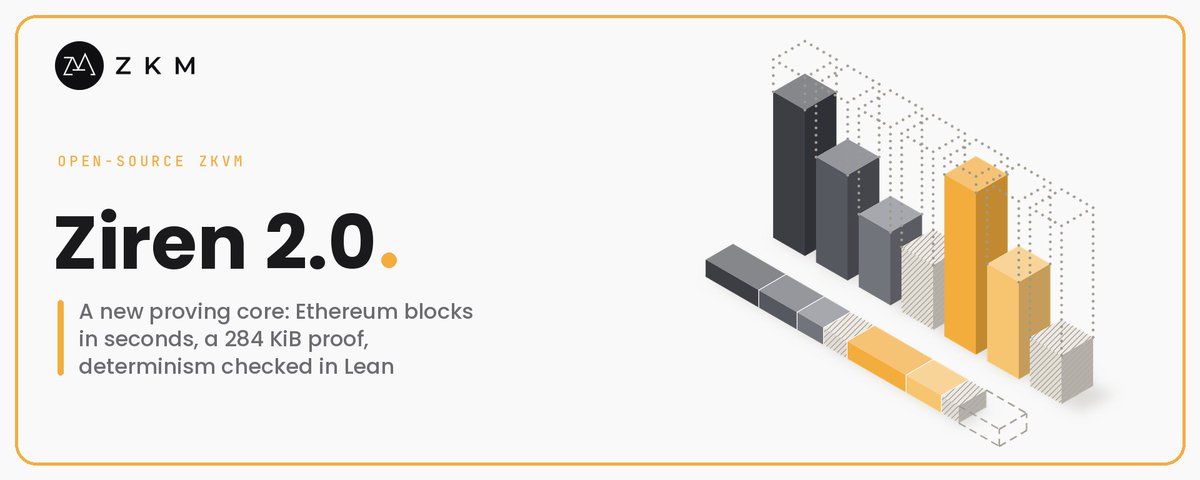
The 2.0 upgrade lands at the heart of our stack.
Every state transition of the GOAT zkEVM is proved by Ziren, and our BitVM3 bridge settles on those proofs.
Impressive numbers for a team that has spent years prioritizing security over speed.

AABams retweeted
This is what plugging into GOAT Flow actually looks like in practice - the whole process in one demo, from application to taking your first agent payment.
Simple guide for most merchants: goat.network/news/how-to-sta…
Technical guide: docs.goat.network/docs/build…

Whether your customers shop with Claude, ChatGPT, Muse, Gemini, or any other assistant, GOAT Flow puts your products in front of agents and makes your checkout ready for them - card or crypto.
Plug into the next multi-trillion dollar market.
→ goat.network/flow

AABams retweeted
GOAT on Socials is live: a 14-day campaign with $250 USDT in rewards for 10 winners 🎁
GOAT Network publishes content across LinkedIn, YouTube, TikTok, Facebook, Instagram, and Medium.
Find a post, video or article you find particularly interesting, write an original X post about it with a link to the piece, and submit your post in the Campaigns Hub on Discord.
Full campaign details: goat.network/news/goat-on-so…
AABams retweeted
Ziren 2.0 is here.
The average Ethereum mainnet block proved in 8.6 seconds on @eth_proofs, a 284 KiB proof, verification in 25.5 ms.
More than 100 bits of interactive soundness at every proving stage, the determinism of every chip proved in Lean, and the @ethereumfndn, @ConsensysAudits and @VeridiseInc behind the security reviews.
Start building: github.com/ProjectZKM/Ziren
AABams retweeted
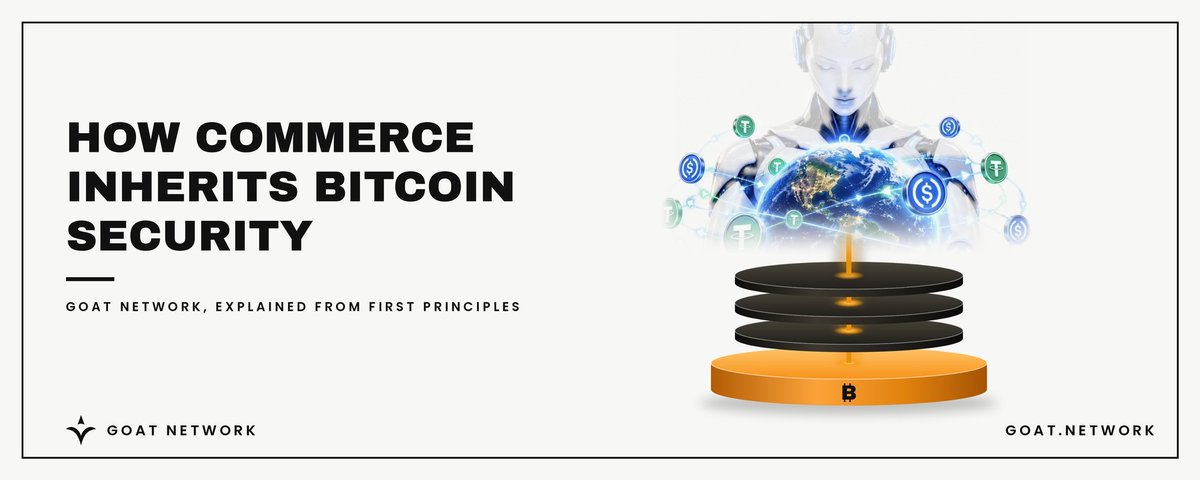
An era of unprecedented breaches has people rightly asking where security actually comes from.
This first-principles explainer details what it means for commerce to inherit Bitcoin’s security, what the guarantees rest on, and what has to be true for a payment to be as hard to break as the chain beneath it.
AABams retweeted
ɴɪsᴛ ᴊᴜsᴛ ᴘᴜᴛ ᴀɴ ᴇɴᴅ ᴅᴀᴛᴇ ᴏɴ ᴇʟʟɪᴘᴛɪᴄ-ᴄᴜʀᴠᴇ sɪɢɴᴀᴛᴜʀᴇs. ʜᴇʀᴇ ɪs ᴡʜᴀᴛ ɪᴛ ᴍᴇᴀɴs ꜰᴏʀ ʙɪᴛᴄᴏɪɴ, ɪᴛs ʟᴀʏᴇʀ 2s, ᴀɴᴅ ᴡʜʏ ɢᴏᴀᴛ ɴᴇᴛᴡᴏʀᴋ ɪs ᴏɴᴇ ᴏꜰ ᴛʜᴇ ꜰᴇᴡ sʜᴏᴡɪɴɢ ɪᴛs ʜᴏᴍᴇᴡᴏʀᴋ.
ᴡʜᴀᴛ ɴɪsᴛ ᴘᴜʙʟɪsʜᴇᴅ
On October 27, 2026, NIST released the final IR 8547, Transition to Post-Quantum Cryptography Standards. Quantum-vulnerable public-key cryptography, including ECDSA and EdDSA, is deprecated after 2030 and disallowed after 2035. "Deprecated" means you can still use it but accept the risk. "Disallowed" means you cannot. NIST also notes that no cryptanalytically relevant quantum computer exists today. The most sensitive U.S. federal systems face earlier deadlines: 2030 for key establishment, 2031 for signatures.
ᴡʜʏ ʙɪᴛᴄᴏɪɴ sʜᴏᴜʟᴅ ᴄᴀʀᴇ
The schedule governs NIST standards and federal systems, not Bitcoin directly. But the math is shared. ECDSA and elliptic-curve schemes fall to Shor's algorithm on a capable enough quantum computer, and Bitcoin signs over secp256k1. Two draft BIPs, BIP-360 and BIP-361, exist, but neither is activated and Bitcoin has not specified a post-quantum scheme.
sᴛᴇᴘ ᴏɴᴇ: ᴀɴ ʜᴏɴᴇsᴛ ɪɴᴠᴇɴᴛᴏʀʏ
NIST tells organizations to start with a cryptographic inventory. An Applied PQC paper uses @GOATNetwork as the worked example for a Bitcoin layer 2 and maps seven surfaces:
1. Settlement outputs (secp256k1/Schnorr): exposed. Only Bitcoin can fix it.
2. Peg-in covenant (MuSig2): exposed. GOAT can only bound the risk within Bitcoin's output types.
3. Bridge proof system (Groth16/BN254 wrap): exposed at the wrap. GOAT and ZKM own it; a replacement has been introduced and measured.
4. Bridge commitments (Winternitz): already post-quantum.
5. Consensus keys (secp256k1): exposed until rotated. GOAT owns it; design published.
6. Execution accounts (ECDSA): exposed. Follows Ethereum.
7. EVM precompiles: pairing and curve precompiles exposed. Inherited from Ethereum; inventory taken.
ᴡʜᴀᴛ sᴛᴀɴᴅs ᴏᴜᴛ ᴀʙᴏᴜᴛ ɢᴏᴀᴛ ɴᴇᴛᴡᴏʀᴋ
- It did the inventory in public and named its exposed surfaces instead of hiding them.
- One surface, the Winternitz bridge commitments, needs no migration at all.
- With ZKM, it has introduced and measured a replacement for the Groth16 wrap.
- Its consensus-key rotation design is published, not just promised.
- It is clear on ownership: Bitcoin owns row one, Ethereum owns the last two, GOAT and ZKM own the bridge proof system and consensus keys.
ᴛʜᴇ ᴛʀᴀᴅᴇ-ᴏꜰꜰs, ɪɴ ɴᴜᴍʙᴇʀs
Per GOAT's design, moving consensus keys to ML-DSA-65 verifies faster (23 µs vs 173 µs) but signs slower (196 µs vs 46 µs) and is much larger: about 66 KB of commit signatures per block at 20 validators, against 1.3 KB. Publishing costs like these is what serious migration planning looks like.
ᴛʜᴇ ʟᴇssᴏɴ ꜰᴏʀ ᴇᴠᴇʀʏᴏɴᴇ
Adding a post-quantum algorithm does not finish a migration until the old path is retired, because an attacker simply uses the old one. Retire the old path, or the upgrade protects nothing.
You can read the full inventory here
appliedpqc.io/blog-bitcoin-l…
🤝 Paid partnership
ʙɪᴛᴄᴏɪɴ’s sᴇᴄᴜʀɪᴛʏ ɪs ᴘᴏᴡᴇʀꜰᴜʟ. ʙᴜᴛ ʜᴏᴡ ꜰᴀʀ ᴄᴀɴ ɪᴛ ʀᴇᴀᴄʜ?
Since 2009, Bitcoin has shown that value can move across a decentralized network. Independent nodes verify transactions against shared rules, making it an established settlement network.
That security is its strength. But Bitcoin was designed to transfer and secure BTC, not run every application modern commerce needs.
ᴛʜᴇ ɢᴀᴘ ʙᴇᴛᴡᴇᴇɴ sᴇᴄᴜʀɪᴛʏ ᴀɴᴅ ᴘʀᴏɢʀᴀᴍᴍᴀʙɪʟɪᴛʏ
Commerce needs payment flows, marketplaces, lending, subscriptions, stablecoins and programmable applications.
Smart-contract networks support these activities. But each has its own security model, and its validators, operators and bridges create different trust assumptions.
Can programmable applications get closer to Bitcoin’s settlement security?
ᴡʜᴇʀᴇ ɢᴏᴀᴛ ɴᴇᴛᴡᴏʀᴋ ꜰɪᴛs ɪɴ**
@GOATNetwork is designed to connect Bitcoin-backed settlement with Ethereum-compatible programmability.
Its Type-1 zkEVM lets developers use familiar Ethereum tools and deploy compatible applications. Transactions are processed on GOAT, while zero-knowledge proofs generated by Ziren, its in-house proving system, provide cryptographic evidence that execution followed the rules.
GOAT also uses a decentralized sequencer network.
Another key component is BitVM3, the bridge being developed to connect GOAT Network and Bitcoin. Its challenge process is designed to let participants dispute invalid withdrawals before they finalize. The bridge is still being tested and hardened, not yet a completed, battle-tested mainnet system.
The BitVM3 bug bounty concluded in September 2026, with 123 classified findings and 16 awards reported. Issues are being addressed before the bridge carries mainnet BTC.
ᴡʜʏ ᴛʜɪs ᴍᴀᴛᴛᴇʀs ꜰᴏʀ ᴀɢᴇɴᴛɪᴄ ᴄᴏᴍᴍᴇʀᴄᴇ
Stablecoins support digital payments, and AI agents are beginning to make purchases on behalf of users.
Agents need payment rails and verifiable identity. GOAT’s AgentKit brings together x402 payments and ERC-8004 identity. x402 enables payment within an online service request, while ERC-8004 gives agents an onchain identity and reputation record.
GOAT Flow brings this to merchants. Businesses can create checkout experiences where people pay by card or crypto, while agents pay in supported stablecoins. Crypto payments are verified onchain and go directly to the merchant’s wallet.
On October 22, 2026, GOAT Network announced an MOU with KOSDAQ-listed Square Tech to explore AI-agent-powered stablecoin payments in South Korea. The initial focus is a tourist payment program being developed with Lordsystem. Proposed safeguards include agent identities, spending limits, user authorization and transaction records. The rollout remains subject to legal and regulatory review.
ᴛʜᴇ ʙɪɢɢᴇʀ ɪᴅᴇᴀ
GOAT Network aims to extend Bitcoin settlement to applications, stablecoin payments, merchants and AI agents.
The goal is not to make Bitcoin do everything itself. It is to build programmable infrastructure around it, prove what happens there and work toward having those proofs and withdrawals answer to Bitcoin.
That is the vision behind Bitcoin-secured infrastructure for agentic commerce.
ɴɪsᴛ ᴊᴜsᴛ ᴘᴜᴛ ᴀɴ ᴇɴᴅ ᴅᴀᴛᴇ ᴏɴ ᴇʟʟɪᴘᴛɪᴄ-ᴄᴜʀᴠᴇ sɪɢɴᴀᴛᴜʀᴇs. ʜᴇʀᴇ ɪs ᴡʜᴀᴛ ɪᴛ ᴍᴇᴀɴs ꜰᴏʀ ʙɪᴛᴄᴏɪɴ, ɪᴛs ʟᴀʏᴇʀ 2s, ᴀɴᴅ ᴡʜʏ ɢᴏᴀᴛ ɴᴇᴛᴡᴏʀᴋ ɪs ᴏɴᴇ ᴏꜰ ᴛʜᴇ ꜰᴇᴡ sʜᴏᴡɪɴɢ ɪᴛs ʜᴏᴍᴇᴡᴏʀᴋ.
ᴡʜᴀᴛ ɴɪsᴛ ᴘᴜʙʟɪsʜᴇᴅ
On October 27, 2026, NIST released the final IR 8547, Transition to Post-Quantum Cryptography Standards. Quantum-vulnerable public-key cryptography, including ECDSA and EdDSA, is deprecated after 2030 and disallowed after 2035. "Deprecated" means you can still use it but accept the risk. "Disallowed" means you cannot. NIST also notes that no cryptanalytically relevant quantum computer exists today. The most sensitive U.S. federal systems face earlier deadlines: 2030 for key establishment, 2031 for signatures.
ᴡʜʏ ʙɪᴛᴄᴏɪɴ sʜᴏᴜʟᴅ ᴄᴀʀᴇ
The schedule governs NIST standards and federal systems, not Bitcoin directly. But the math is shared. ECDSA and elliptic-curve schemes fall to Shor's algorithm on a capable enough quantum computer, and Bitcoin signs over secp256k1. Two draft BIPs, BIP-360 and BIP-361, exist, but neither is activated and Bitcoin has not specified a post-quantum scheme.
sᴛᴇᴘ ᴏɴᴇ: ᴀɴ ʜᴏɴᴇsᴛ ɪɴᴠᴇɴᴛᴏʀʏ
NIST tells organizations to start with a cryptographic inventory. An Applied PQC paper uses @GOATNetwork as the worked example for a Bitcoin layer 2 and maps seven surfaces:
1. Settlement outputs (secp256k1/Schnorr): exposed. Only Bitcoin can fix it.
2. Peg-in covenant (MuSig2): exposed. GOAT can only bound the risk within Bitcoin's output types.
3. Bridge proof system (Groth16/BN254 wrap): exposed at the wrap. GOAT and ZKM own it; a replacement has been introduced and measured.
4. Bridge commitments (Winternitz): already post-quantum.
5. Consensus keys (secp256k1): exposed until rotated. GOAT owns it; design published.
6. Execution accounts (ECDSA): exposed. Follows Ethereum.
7. EVM precompiles: pairing and curve precompiles exposed. Inherited from Ethereum; inventory taken.
ᴡʜᴀᴛ sᴛᴀɴᴅs ᴏᴜᴛ ᴀʙᴏᴜᴛ ɢᴏᴀᴛ ɴᴇᴛᴡᴏʀᴋ
- It did the inventory in public and named its exposed surfaces instead of hiding them.
- One surface, the Winternitz bridge commitments, needs no migration at all.
- With ZKM, it has introduced and measured a replacement for the Groth16 wrap.
- Its consensus-key rotation design is published, not just promised.
- It is clear on ownership: Bitcoin owns row one, Ethereum owns the last two, GOAT and ZKM own the bridge proof system and consensus keys.
ᴛʜᴇ ᴛʀᴀᴅᴇ-ᴏꜰꜰs, ɪɴ ɴᴜᴍʙᴇʀs
Per GOAT's design, moving consensus keys to ML-DSA-65 verifies faster (23 µs vs 173 µs) but signs slower (196 µs vs 46 µs) and is much larger: about 66 KB of commit signatures per block at 20 validators, against 1.3 KB. Publishing costs like these is what serious migration planning looks like.
ᴛʜᴇ ʟᴇssᴏɴ ꜰᴏʀ ᴇᴠᴇʀʏᴏɴᴇ
Adding a post-quantum algorithm does not finish a migration until the old path is retired, because an attacker simply uses the old one. Retire the old path, or the upgrade protects nothing.
You can read the full inventory here
appliedpqc.io/blog-bitcoin-l…
🤝 Paid partnership
ʙɪᴛᴄᴏɪɴ’s sᴇᴄᴜʀɪᴛʏ ɪs ᴘᴏᴡᴇʀꜰᴜʟ. ʙᴜᴛ ʜᴏᴡ ꜰᴀʀ ᴄᴀɴ ɪᴛ ʀᴇᴀᴄʜ?
Since 2009, Bitcoin has shown that value can move across a decentralized network. Independent nodes verify transactions against shared rules, making it an established settlement network.
That security is its strength. But Bitcoin was designed to transfer and secure BTC, not run every application modern commerce needs.
ᴛʜᴇ ɢᴀᴘ ʙᴇᴛᴡᴇᴇɴ sᴇᴄᴜʀɪᴛʏ ᴀɴᴅ ᴘʀᴏɢʀᴀᴍᴍᴀʙɪʟɪᴛʏ
Commerce needs payment flows, marketplaces, lending, subscriptions, stablecoins and programmable applications.
Smart-contract networks support these activities. But each has its own security model, and its validators, operators and bridges create different trust assumptions.
Can programmable applications get closer to Bitcoin’s settlement security?
ᴡʜᴇʀᴇ ɢᴏᴀᴛ ɴᴇᴛᴡᴏʀᴋ ꜰɪᴛs ɪɴ**
@GOATNetwork is designed to connect Bitcoin-backed settlement with Ethereum-compatible programmability.
Its Type-1 zkEVM lets developers use familiar Ethereum tools and deploy compatible applications. Transactions are processed on GOAT, while zero-knowledge proofs generated by Ziren, its in-house proving system, provide cryptographic evidence that execution followed the rules.
GOAT also uses a decentralized sequencer network.
Another key component is BitVM3, the bridge being developed to connect GOAT Network and Bitcoin. Its challenge process is designed to let participants dispute invalid withdrawals before they finalize. The bridge is still being tested and hardened, not yet a completed, battle-tested mainnet system.
The BitVM3 bug bounty concluded in September 2026, with 123 classified findings and 16 awards reported. Issues are being addressed before the bridge carries mainnet BTC.
ᴡʜʏ ᴛʜɪs ᴍᴀᴛᴛᴇʀs ꜰᴏʀ ᴀɢᴇɴᴛɪᴄ ᴄᴏᴍᴍᴇʀᴄᴇ
Stablecoins support digital payments, and AI agents are beginning to make purchases on behalf of users.
Agents need payment rails and verifiable identity. GOAT’s AgentKit brings together x402 payments and ERC-8004 identity. x402 enables payment within an online service request, while ERC-8004 gives agents an onchain identity and reputation record.
GOAT Flow brings this to merchants. Businesses can create checkout experiences where people pay by card or crypto, while agents pay in supported stablecoins. Crypto payments are verified onchain and go directly to the merchant’s wallet.
On October 22, 2026, GOAT Network announced an MOU with KOSDAQ-listed Square Tech to explore AI-agent-powered stablecoin payments in South Korea. The initial focus is a tourist payment program being developed with Lordsystem. Proposed safeguards include agent identities, spending limits, user authorization and transaction records. The rollout remains subject to legal and regulatory review.
ᴛʜᴇ ʙɪɢɢᴇʀ ɪᴅᴇᴀ
GOAT Network aims to extend Bitcoin settlement to applications, stablecoin payments, merchants and AI agents.
The goal is not to make Bitcoin do everything itself. It is to build programmable infrastructure around it, prove what happens there and work toward having those proofs and withdrawals answer to Bitcoin.
That is the vision behind Bitcoin-secured infrastructure for agentic commerce.
AABams retweeted
NIST’s final transition report gives elliptic-curve signatures an end date: deprecated after 2030, disallowed after 2035.
The schedule doesn’t govern Bitcoin, but the math being retired is the math behind secp256k1, the curve Bitcoin and its layer 2s run on.
NIST’s first instruction is the one every migration guide gives: inventory. The inventory GOAT Network follows covers seven cryptographic surfaces, the scheme each runs today, and where each replacement stands: appliedpqc.io/blog-bitcoin-l…


NIST published the final IR 8547 on 27 Oct. The changes page lists none, so we read the 2024 draft and the final side by side.
The dates are still 2030 (deprecate) and 2035 (disallow). What 2030 covers is much wider. 🧵 appliedpqc.io/blog-nist-ir-8…

AABams retweeted
ʙɪᴛᴄᴏɪɴ’s sᴇᴄᴜʀɪᴛʏ ɪs ᴘᴏᴡᴇʀꜰᴜʟ. ʙᴜᴛ ʜᴏᴡ ꜰᴀʀ ᴄᴀɴ ɪᴛ ʀᴇᴀᴄʜ?
Since 2009, Bitcoin has shown that value can move across a decentralized network. Independent nodes verify transactions against shared rules, making it an established settlement network.
That security is its strength. But Bitcoin was designed to transfer and secure BTC, not run every application modern commerce needs.
ᴛʜᴇ ɢᴀᴘ ʙᴇᴛᴡᴇᴇɴ sᴇᴄᴜʀɪᴛʏ ᴀɴᴅ ᴘʀᴏɢʀᴀᴍᴍᴀʙɪʟɪᴛʏ
Commerce needs payment flows, marketplaces, lending, subscriptions, stablecoins and programmable applications.
Smart-contract networks support these activities. But each has its own security model, and its validators, operators and bridges create different trust assumptions.
Can programmable applications get closer to Bitcoin’s settlement security?
ᴡʜᴇʀᴇ ɢᴏᴀᴛ ɴᴇᴛᴡᴏʀᴋ ꜰɪᴛs ɪɴ**
@GOATNetwork is designed to connect Bitcoin-backed settlement with Ethereum-compatible programmability.
Its Type-1 zkEVM lets developers use familiar Ethereum tools and deploy compatible applications. Transactions are processed on GOAT, while zero-knowledge proofs generated by Ziren, its in-house proving system, provide cryptographic evidence that execution followed the rules.
GOAT also uses a decentralized sequencer network.
Another key component is BitVM3, the bridge being developed to connect GOAT Network and Bitcoin. Its challenge process is designed to let participants dispute invalid withdrawals before they finalize. The bridge is still being tested and hardened, not yet a completed, battle-tested mainnet system.
The BitVM3 bug bounty concluded in September 2026, with 123 classified findings and 16 awards reported. Issues are being addressed before the bridge carries mainnet BTC.
ᴡʜʏ ᴛʜɪs ᴍᴀᴛᴛᴇʀs ꜰᴏʀ ᴀɢᴇɴᴛɪᴄ ᴄᴏᴍᴍᴇʀᴄᴇ
Stablecoins support digital payments, and AI agents are beginning to make purchases on behalf of users.
Agents need payment rails and verifiable identity. GOAT’s AgentKit brings together x402 payments and ERC-8004 identity. x402 enables payment within an online service request, while ERC-8004 gives agents an onchain identity and reputation record.
GOAT Flow brings this to merchants. Businesses can create checkout experiences where people pay by card or crypto, while agents pay in supported stablecoins. Crypto payments are verified onchain and go directly to the merchant’s wallet.
On October 22, 2026, GOAT Network announced an MOU with KOSDAQ-listed Square Tech to explore AI-agent-powered stablecoin payments in South Korea. The initial focus is a tourist payment program being developed with Lordsystem. Proposed safeguards include agent identities, spending limits, user authorization and transaction records. The rollout remains subject to legal and regulatory review.
ᴛʜᴇ ʙɪɢɢᴇʀ ɪᴅᴇᴀ
GOAT Network aims to extend Bitcoin settlement to applications, stablecoin payments, merchants and AI agents.
The goal is not to make Bitcoin do everything itself. It is to build programmable infrastructure around it, prove what happens there and work toward having those proofs and withdrawals answer to Bitcoin.
That is the vision behind Bitcoin-secured infrastructure for agentic commerce.
🤝 Paid partnership
ʙɪᴛᴄᴏɪɴ’s sᴇᴄᴜʀɪᴛʏ ɪs ᴘᴏᴡᴇʀꜰᴜʟ. ʙᴜᴛ ʜᴏᴡ ꜰᴀʀ ᴄᴀɴ ɪᴛ ʀᴇᴀᴄʜ?
Since 2009, Bitcoin has shown that value can move across a decentralized network. Independent nodes verify transactions against shared rules, making it an established settlement network.
That security is its strength. But Bitcoin was designed to transfer and secure BTC, not run every application modern commerce needs.
ᴛʜᴇ ɢᴀᴘ ʙᴇᴛᴡᴇᴇɴ sᴇᴄᴜʀɪᴛʏ ᴀɴᴅ ᴘʀᴏɢʀᴀᴍᴍᴀʙɪʟɪᴛʏ
Commerce needs payment flows, marketplaces, lending, subscriptions, stablecoins and programmable applications.
Smart-contract networks support these activities. But each has its own security model, and its validators, operators and bridges create different trust assumptions.
Can programmable applications get closer to Bitcoin’s settlement security?
ᴡʜᴇʀᴇ ɢᴏᴀᴛ ɴᴇᴛᴡᴏʀᴋ ꜰɪᴛs ɪɴ**
@GOATNetwork is designed to connect Bitcoin-backed settlement with Ethereum-compatible programmability.
Its Type-1 zkEVM lets developers use familiar Ethereum tools and deploy compatible applications. Transactions are processed on GOAT, while zero-knowledge proofs generated by Ziren, its in-house proving system, provide cryptographic evidence that execution followed the rules.
GOAT also uses a decentralized sequencer network.
Another key component is BitVM3, the bridge being developed to connect GOAT Network and Bitcoin. Its challenge process is designed to let participants dispute invalid withdrawals before they finalize. The bridge is still being tested and hardened, not yet a completed, battle-tested mainnet system.
The BitVM3 bug bounty concluded in September 2026, with 123 classified findings and 16 awards reported. Issues are being addressed before the bridge carries mainnet BTC.
ᴡʜʏ ᴛʜɪs ᴍᴀᴛᴛᴇʀs ꜰᴏʀ ᴀɢᴇɴᴛɪᴄ ᴄᴏᴍᴍᴇʀᴄᴇ
Stablecoins support digital payments, and AI agents are beginning to make purchases on behalf of users.
Agents need payment rails and verifiable identity. GOAT’s AgentKit brings together x402 payments and ERC-8004 identity. x402 enables payment within an online service request, while ERC-8004 gives agents an onchain identity and reputation record.
GOAT Flow brings this to merchants. Businesses can create checkout experiences where people pay by card or crypto, while agents pay in supported stablecoins. Crypto payments are verified onchain and go directly to the merchant’s wallet.
On October 22, 2026, GOAT Network announced an MOU with KOSDAQ-listed Square Tech to explore AI-agent-powered stablecoin payments in South Korea. The initial focus is a tourist payment program being developed with Lordsystem. Proposed safeguards include agent identities, spending limits, user authorization and transaction records. The rollout remains subject to legal and regulatory review.
ᴛʜᴇ ʙɪɢɢᴇʀ ɪᴅᴇᴀ
GOAT Network aims to extend Bitcoin settlement to applications, stablecoin payments, merchants and AI agents.
The goal is not to make Bitcoin do everything itself. It is to build programmable infrastructure around it, prove what happens there and work toward having those proofs and withdrawals answer to Bitcoin.
That is the vision behind Bitcoin-secured infrastructure for agentic commerce.
🤝 Paid partnership