||Data Scientist | Data Engineer | Pharmacist|| Data Science & Engineering @DutchTestLab; PharmD @XULA1925; MS Data Science @CUBoulder; BCGP @BPSweb #rstats
- Tweets63
- Following369
- Followers46
- Likes398




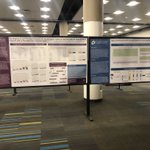





ALT Leadership aspiration: An intersectional analysis of racial and gender equity in pharmacy. Abstract Background The glass ceiling is a metaphor used to describe an invisible barrier that prevents an underrepresented group from rising beyond a certain level. Among pharmacists, underrepresented groups face various barriers and limitations to their successes. Objectives The purpose of this study was to apply the intersectionality framework to data collected from the 2019 National Pharmacist Workforce Study (NPWS) to understand the association of gender and race with leadership aspiration among pharmacists, including differences in perceived barriers and attractors for pursuing leadership. Methods The 2019 NPWS was conducted using an electronic Qualtrics survey. Three e-mails containing the survey link were sent to a systematic random sample of 94,803 pharmacists through the National Association of Boards of Pharmacy Foundation e-profile system. The 2019 NPWS had an overall response rate of

ALT Abstract Background In a community with rates of hepatitis C virus (HCV) 10 times greater than the national average, a pharmacist-led HCV clinic creates a unique opportunity to make an extensive impact on a large population. This study aimed to describe the impact of an ambulatory pharmacist-led HCV clinic on successful HCV treatment initiation. Objectives The primary objective was to determine HCV treatment initiation before and after introduction of a pharmacist-led HCV clinic. Secondary objectives include identifying benefits of the clinic through barriers that exist pre-and postclinic, average time to HCV treatment initiation, and current and last known points of care in the treatment process.

ALT abstract Biological diversity of hair affects what stress the hair can withstand. This proves to create a gap in care when evaluating over-the-counter (OTC) products available to treat Pediculus humanus capitis (head lice) in the United States. The nit comb would not be conducive for use in an individual with African hair, yet all OTC product instructions list the requirement of the nit comb. Lice treatment products provide instructions that are applicable for only specific hair types and do not address treatment recommendations for African hair. The OTC product instructions are outdated and exclusionary. A clear discrepancy and gap in care exist for many Americans seeking self-care treatment of pediculosis capitis. Pharmacists should remain aware of this discrepancy and counsel on alternative practices such as applying the active formulations in the hair but refrain from using the nit comb following the application of the topical medication.


ALT Patients’ opinions on participation in patient-centered outcomes research in community pharmacies: A qualitative study. Abstract Background Patient-centered outcomes research (PCOR) often brings patient voices, thoughts, and opinions into the research process, allowing patients to have a say in the research process from project inception to dissemination of results. Community pharmacy teams are well-situated to engage patients in their own health and in research, given their trusting relationships with patients and access in communities. Objective To gather patients’ opinions on participation in PCOR at their local community pharmacy. Methods Four regional focus groups representing western, central, northeastern, and southeastern Pennsylvania were conducted. A single community pharmacy in each region recruited patients to participate in each focus group. A focus group discussion guide was developed and reviewed by a Stakeholder Advisory Board that consisted patients, pharmacists, and r

ALT Medication cost-reducing behaviors in older adults with atrial fibrillation: The SAGE-AF study. Abstract Background As patient prices for many medications have risen steeply in the United States, patients may engage in cost-reducing behaviors (CRBs) such as asking for generic medications or purchasing medication from the Internet. Objective The objective of this study is to describe patterns of CRB, cost-related medication nonadherence, and spending less on basic needs to afford medications among older adults with atrial fibrillation (AF) and examine participant characteristics associated with CRB. Methods Data were from a prospective cohort study of older adults at least 65 years with AF and a high stroke risk (CHA2DS2VASc ≥ 2). CRB, cost-related medication nonadherence, and spending less on basic needs to afford medications were evaluated using validated measures. Chi-square and t tests were used to evaluate differences in characteristics across CRB, and statistically significant cha