






Cashⓨ retweeted

Carbon is the On-Chain Prime Broker for Global Markets.
One account for crypto, stocks, forex, indices and commodities, with direct TradFi liquidity behind every TradFi order.
Where we are today:
📊 1,000+ markets
📈 $3.50B traded, $303M of it on Carbon TradFi since August
🥇 Zero Spread on $XAU and $XAG
🔑 One account, one balance
Coming next: more Zero Spread markets, higher leverage that follows market hours, and trading competitions.
Carbon Coded🐦⬛

Cashⓨ retweeted

had an awesome convo with Jaz about @SlopCash, give it a watch

Market Manifesto Ep 30 w/ Slop Cash teapawt.net/i/broadcasts/2onzzPpLW…

Cashⓨ retweeted

Market Manifesto Ep 30 w/ Slop Cash teapawt.net/i/broadcasts/2onzzPpLW…
Cashⓨ retweeted
Introducing Carbon Prime.
Carbon Prime is designed for desks and algorithmic traders running high-throughput strategies through the Carbon API.
Prime users trades on one set fee, 0.15bps.
👉Learn more about Carbon Prime:
docs.carbon.inc/tradfi/carbo…

Cashⓨ retweeted
Zero Spreads on $XAU & $XAG. Only on Carbon.
Trade Gold & Silver with Zero Spread on top of book🥇
Direct TradFi Liquidity
Up to 40x Leverage
Stable Funding
Lowest Cost of Execution.
📊Start Trading: app.carbon.inc/trade/XAU
Carbon Coded🐦⬛

Introducing Zero Spread on $XAU & $XAG TradFi Markets📊
Gold & Silver now have Zero Spread on top of book.
You only pay the commission and the platform fee (with up to 60% Fee Rebates).
Trade $XAU & $XAG with the lowest cost of execution anywhere on-chain.
More coming.
👉Trade Now: app.carbon.inc/trade/XAUUSD

Cashⓨ retweeted
[ Market Manifesto: Ep 30 ]
Slop Cash pays open-source contributors for work that gets merged, not work that gets submitted. The public round filled in under 15 minutes.
This week @mil_itia and @shawmakesmagic share their story, from NYC neighbors to building and growing @SlopCash.

Cashⓨ retweeted
Carbon has revolutionized TradFi by bringing Wall Street On-chain.
Just your friendly reminder that you can trade 250+ Stocks, Forex, Indices, and Commodities pairs on Carbon with direct TradFi liquidity with the lowest cost of execution and stable funding.
Only on Carbon (literally)
📊Start Trading: app.carbon.inc/trade/NVDA
Cashⓨ retweeted

Running a trading community, a KOL channel, or moving serious volume?
I've been handling BD for several of the leading perp exchanges, and we have campaigns lined up for traders and communities.
Message me if you want a place in them before they open up. I'll tell you what's on the table and whether it suits you.
Cashⓨ retweeted
𝗢𝘂𝗿 𝘁𝗵𝗲𝘀𝗶𝘀 𝗼𝗻 𝗞𝗢𝗟 𝗺𝗮𝗿𝗸𝗲𝘁𝗶𝗻𝗴 𝗮𝗻𝗱 𝘁𝗵𝗲 𝗮𝗽𝗽𝗿𝗼𝗮𝗰𝗵 𝗯𝗲𝗵𝗶𝗻𝗱 $𝟰𝟬𝟬𝗠+ 𝗶𝗻 𝗽𝗲𝗿𝗽 𝘃𝗼𝗹𝘂𝗺𝗲, 𝗺𝗼𝘀𝘁 𝗼𝗳 𝗶𝘁 𝗶𝗻 𝟮 𝗺𝗼𝗻𝘁𝗵𝘀
𝗞𝗢𝗟 𝗰𝗮𝗺𝗽𝗮𝗶𝗴𝗻𝘀 𝗮𝗿𝗲 𝗻𝗼𝘁 𝗼𝗻𝗲-𝘀𝗶𝘇𝗲-𝗳𝗶𝘁𝘀-𝗮𝗹𝗹.
Reach doesn't mean conversion. Conversion won't build brand recognition.
That's why we segment KOLs and creators. A creator with 300k followers and a power user with 2,000 followers who copy their trades move completely different numbers, so each segment gets its own structure, KPIs, and pay model.
These are the four segments we work with.
𝟭. 𝗚𝗹𝗼𝗯𝗮𝗹 𝗰𝗼𝗻𝘁𝗲𝗻𝘁 𝗰𝗿𝗲𝗮𝘁𝗼𝗿𝘀
Creators with large crypto audiences across markets, mostly on X.
𝗕𝗲𝘀𝘁 𝗳𝗼𝗿: reach and awareness. They put a project in front of the most people in the shortest time and add credibility to the timeline.
𝗛𝗼𝘄 𝘁𝗼 𝘀𝘁𝗿𝘂𝗰𝘁𝘂𝗿𝗲 𝗶𝘁: short bursts around a moment, like a launch, a feature drop, or a partnership. Their content should quote the main account so the reach lands where the narrative lives. Track impressions, quotes, profile visits, and follows to the main account.
𝗪𝗵𝗮𝘁 𝘁𝗼 𝗲𝘅𝗽𝗲𝗰𝘁: the biggest reach of any segment and the lowest direct conversion. Their audience is broad, so most aren't ready to deposit yet. Measure them on awareness.
𝟮. 𝗥𝗲𝗴𝗶𝗼𝗻𝗮𝗹 𝗞𝗢𝗟𝘀
KOLs whose audience is in one region or speaks one language, across CIS, APAC, and LATAM.
𝗕𝗲𝘀𝘁 𝗳𝗼𝗿: growth and volume in a specific market.
𝗛𝗼𝘄 𝘁𝗼 𝘀𝘁𝗿𝘂𝗰𝘁𝘂𝗿𝗲 𝗶𝘁: a separate playbook per region, because each market behaves differently. Channels, messaging, and onboarding all change by market, and content goes out in the local language. Run it longer than a global burst so the audience sees the project more than once. Track signups, deposits, and volume by region through dedicated links or codes.
𝗪𝗵𝗮𝘁 𝘁𝗼 𝗲𝘅𝗽𝗲𝗰𝘁: steady volume from the target market. It only lands when the localization is done properly.
𝟯. 𝗣𝗼𝘄𝗲𝗿 𝘂𝘀𝗲𝗿𝘀 𝗮𝗻𝗱 𝗮𝗳𝗳𝗶𝗹𝗶𝗮𝘁𝗲𝘀
Traders and active users who post about the products they use in one niche, plus affiliates who promote through their own links. Smaller audiences trust them because they actually use what they post.
𝗕𝗲𝘀𝘁 𝗳𝗼𝗿: building a core user base.
𝗛𝗼𝘄 𝘁𝗼 𝘀𝘁𝗿𝘂𝗰𝘁𝘂𝗿𝗲 𝗶𝘁: everything ties to platform KPIs like volume, deposits, and new users who actually use the product. Each power user and affiliate gets their own tracked code. They use the product themselves first, then bring their audience in. Their upside sits in what they convert.
𝗪𝗵𝗮𝘁 𝘁𝗼 𝗲𝘅𝗽𝗲𝗰𝘁: lower reach, higher conversion, and the stickiest users of any segment. It is the hardest to set up and the slowest to execute because you have to source and onboard each one individually. It is also the best way to build a user base that stays.
𝟰. 𝗖𝗼𝗺𝗺𝘂𝗻𝗶𝘁𝘆 𝗼𝘄𝗻𝗲𝗿𝘀
Owners of large communities built around incentives: airdrop groups, farming communities, quest and points communities.
𝗕𝗲𝘀𝘁 𝗳𝗼𝗿: fast growth in a short window, like a points season, a TGE, or volume target.
𝗛𝗼𝘄 𝘁𝗼 𝘀𝘁𝗿𝘂𝗰𝘁𝘂𝗿𝗲 𝗶𝘁: short campaigns with a clear end date. Tie rewards to high-value actions, like deposits or volume held over time, rather than signups alone. Plan what happens after the incentive ends before the campaign starts.
𝗪𝗵𝗮𝘁 𝘁𝗼 𝗲𝘅𝗽𝗲𝗰𝘁: the most growth in the least time. Most of these users are mercenary, and many leave when the incentives dry up. Track how many remain active after the campaign ends, next to the headline numbers.
𝗠𝗮𝘁𝗰𝗵𝗶𝗻𝗴 𝘀𝗲𝗴𝗺𝗲𝗻𝘁𝘀 𝘁𝗼 𝗴𝗼𝗮𝗹𝘀
• Launch or rebrand: global creators, backed by regional KOLs in priority markets
• Entering a new region: regional KOLs, then local power users and affiliates to keep the users
• Building a core user base: power users and affiliates
• Points season or TGE: community owners, with power users alongside to hold some of the users
• Volume targets: regional KOLs and power users, paid on volume
𝗛𝗼𝘄 𝘁𝗵𝗲 𝘀𝗲𝗴𝗺𝗲𝗻𝘁𝘀 𝘄𝗼𝗿𝗸 𝘁𝗼𝗴𝗲𝘁𝗵𝗲𝗿
The segments compound when they run in order. Power users and affiliates go first, building a core of real users and the proof that comes with them. Global creators amplify once there is proof to show. Regional KOLs take it into new markets. Community owners add spikes at key moments, with power users in place to keep part of that wave.
Every segment sends people to the project's X first. The narrative there has to be ready before any of them go live.
The segment you pick determines the𝗢𝘂𝗿 𝘁𝗵𝗲𝘀𝗶𝘀 𝗼𝗻 𝗞𝗢𝗟 𝗺𝗮𝗿𝗸𝗲𝘁𝗶𝗻𝗴 𝗮𝗻𝗱 𝘁𝗵𝗲 𝗮𝗽𝗽𝗿𝗼𝗮𝗰𝗵 𝗯𝗲𝗵𝗶𝗻𝗱 $𝟰𝟬𝟬𝗠+ 𝗶𝗻 𝗽𝗲𝗿𝗽 𝘃𝗼𝗹𝘂𝗺𝗲, 𝗺𝗼𝘀𝘁 𝗼𝗳 𝗶𝘁 𝗶𝗻 𝟮 𝗺𝗼𝗻𝘁𝗵𝘀
━━━━━━━━━━━━━━━
𝗞𝗢𝗟 𝗰𝗮𝗺𝗽𝗮𝗶𝗴𝗻𝘀 𝗮𝗿𝗲 𝗻𝗼𝘁 𝗼𝗻𝗲-𝘀𝗶𝘇𝗲-𝗳𝗶𝘁𝘀-𝗮𝗹𝗹.
Reach doesn't mean conversion. Conversion won't build brand recognition.
That's why we segment KOLs and creators. A creator with 300k followers and a power user with 2,000 followers who copy their trades move completely different numbers, so each segment gets its own structure, KPIs, and pay model.
These are the four segments we work with.
━━━━━━━━━━━━━━━
𝟭. 𝗚𝗹𝗼𝗯𝗮𝗹 𝗰𝗼𝗻𝘁𝗲𝗻𝘁 𝗰𝗿𝗲𝗮𝘁𝗼𝗿𝘀
Creators with large crypto audiences across markets, mostly on X.
𝗕𝗲𝘀𝘁 𝗳𝗼𝗿: reach and awareness. They put a project in front of the most people in the shortest time and add credibility to the timeline.
𝗛𝗼𝘄 𝘁𝗼 𝘀𝘁𝗿𝘂𝗰𝘁𝘂𝗿𝗲 𝗶𝘁: short bursts around a moment, like a launch, a feature drop, or a partnership. Their content should quote the main account so the reach lands where the narrative lives. Track impressions, quotes, profile visits, and follows to the main account.
𝗪𝗵𝗮𝘁 𝘁𝗼 𝗲𝘅𝗽𝗲𝗰𝘁: the biggest reach of any segment and the lowest direct conversion. Their audience is broad, so most aren't ready to deposit yet. Measure them on awareness.
━━━━━━━━━━━━━━━
𝟮. 𝗥𝗲𝗴𝗶𝗼𝗻𝗮𝗹 𝗞𝗢𝗟𝘀
KOLs whose audience is in one region or speaks one language, across CIS, APAC, and LATAM.
𝗕𝗲𝘀𝘁 𝗳𝗼𝗿: growth and volume in a specific market.
𝗛𝗼𝘄 𝘁𝗼 𝘀𝘁𝗿𝘂𝗰𝘁𝘂𝗿𝗲 𝗶𝘁: a separate playbook per region, because each market behaves differently. Channels, messaging, and onboarding all change by market, and content goes out in the local language. Run it longer than a global burst so the audience sees the project more than once. Track signups, deposits, and volume by region through dedicated links or codes.
𝗪𝗵𝗮𝘁 𝘁𝗼 𝗲𝘅𝗽𝗲𝗰𝘁: steady volume from the target market. It only lands when the localization is done properly.
━━━━━━━━━━━━━━━
𝟯. 𝗣𝗼𝘄𝗲𝗿 𝘂𝘀𝗲𝗿𝘀 𝗮𝗻𝗱 𝗮𝗳𝗳𝗶𝗹𝗶𝗮𝘁𝗲𝘀
Traders and active users who post about the products they use in one niche, plus affiliates who promote through their own links. Smaller audiences trust them because they actually use what they post.
𝗕𝗲𝘀𝘁 𝗳𝗼𝗿: building a core user base.
𝗛𝗼𝘄 𝘁𝗼 𝘀𝘁𝗿𝘂𝗰𝘁𝘂𝗿𝗲 𝗶𝘁: everything ties to platform KPIs like volume, deposits, and new users who actually use the product. Each power user and affiliate gets their own tracked code. They use the product themselves first, then bring their audience in. Their upside sits in what they convert.
𝗪𝗵𝗮𝘁 𝘁𝗼 𝗲𝘅𝗽𝗲𝗰𝘁: lower reach, higher conversion, and the stickiest users of any segment. It is the hardest to set up and the slowest to execute because you have to source and onboard each one individually. It is also the best way to build a user base that stays.
━━━━━━━━━━━━━━━
𝟰. 𝗖𝗼𝗺𝗺𝘂𝗻𝗶𝘁𝘆 𝗼𝘄𝗻𝗲𝗿𝘀
Owners of large communities built around incentives: airdrop groups, farming communities, quest and points communities.
𝗕𝗲𝘀𝘁 𝗳𝗼𝗿: fast growth in a short window, like a points season, a TGE, or volume target.
𝗛𝗼𝘄 𝘁𝗼 𝘀𝘁𝗿𝘂𝗰𝘁𝘂𝗿𝗲 𝗶𝘁: short campaigns with a clear end date. Tie rewards to high-value actions, like deposits or volume held over time, rather than signups alone. Plan what happens after the incentive ends before the campaign starts.
𝗪𝗵𝗮𝘁 𝘁𝗼 𝗲𝘅𝗽𝗲𝗰𝘁: the most growth in the least time. Most of these users are mercenary, and many leave when the incentives dry up. Track how many remain active after the campaign ends, next to the headline numbers.
━━━━━━━━━━━━━━━
𝗠𝗮𝘁𝗰𝗵𝗶𝗻𝗴 𝘀𝗲𝗴𝗺𝗲𝗻𝘁𝘀 𝘁𝗼 𝗴𝗼𝗮𝗹𝘀
• Launch or rebrand: global creators, backed by regional KOLs in priority markets
• Entering a new region: regional KOLs, then local power users and affiliates to keep the users
• Building a core user base: power users and affiliates
• Points season or TGE: community owners, with power users alongside to hold some of the users
• Volume targets: regional KOLs and power users, paid on volume
━━━━━━━━━━━━━━━
𝗛𝗼𝘄 𝘁𝗵𝗲 𝘀𝗲𝗴𝗺𝗲𝗻𝘁𝘀 𝘄𝗼𝗿𝗸 𝘁𝗼𝗴𝗲𝘁𝗵𝗲𝗿
The segments compound when they run in order. Power users and affiliates go first, building a core of real users and the proof that comes with them. Global creators amplify once there is proof to show. Regional KOLs take it into new markets. Community owners add spikes at key moments, with power users in place to keep part of that wave.
Every segment sends people to the project's X first. The narrative there has to be ready before any of them go live.
The segment you pick determines the users you get, so choose it based on the goal.


Cashⓨ retweeted
Market Manifesto Ep 29: Winning Distribution as a Wallet w/ Solflare teapawt.net/i/broadcasts/2NgmlzmPZ…


Cashⓨ retweeted

The WhatsApp MCP is live
Manage your WhatsApp messages from Claude, ChatGPT, Grok Bot or in Inboxapp next to all your other DMs


Cashⓨ retweeted

“Get fucked” is always an appropriate response to someone who tells you your dreams are too big.
They’re too big for them, not too big for you.
Cashⓨ retweeted
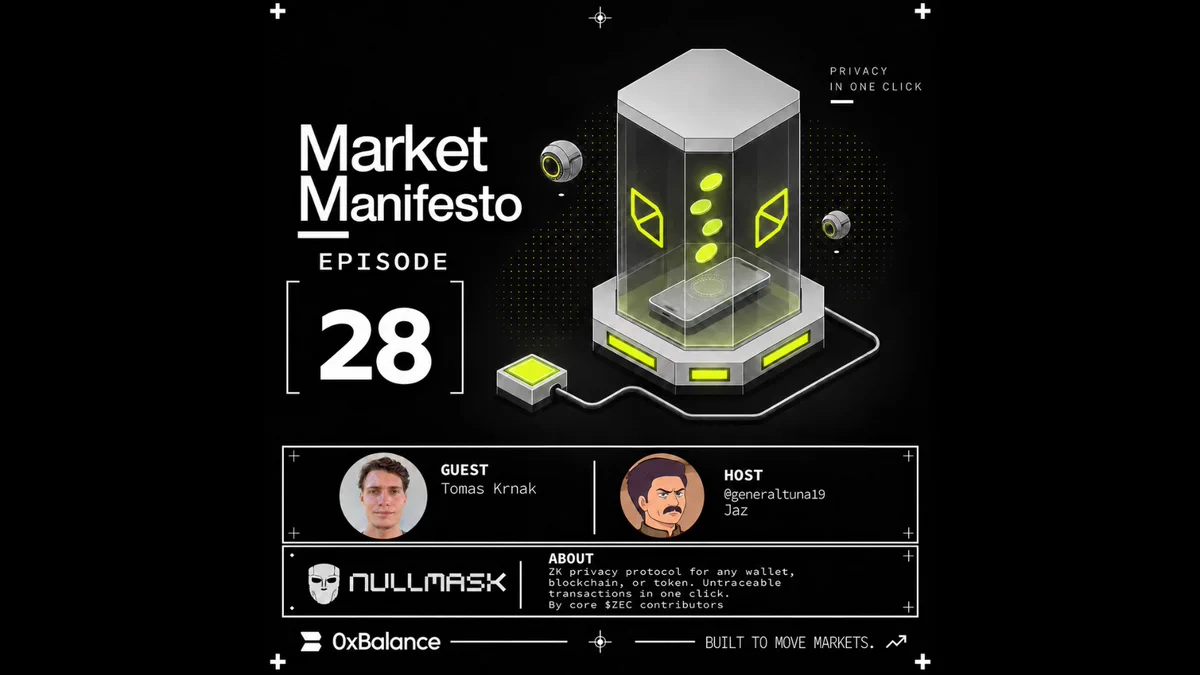
Market Manifesto Ep 28: Building One-Click Privacy w/ Nullmask teapawt.net/i/broadcasts/2POJVlALo…
Cashⓨ retweeted

Tomorrow, our founder Tomas Krnak shares his story, from Zcash and Trezor to building NullMask.
Live on X with @0xBalanceXYZ podcast.

[ Market Manifesto: Ep 28 ]
@NullMaskio shields your wallet and transactions in one click, no new wallet needed. Since launching in October, it’s moved $120M+ across 6 chains.
Tomorrow, CEO Tomas Krnak shares his story, from Zcash and Trezor to building NullMask.

Cashⓨ retweeted
[ Market Manifesto: Ep 28 ]
@NullMaskio shields your wallet and transactions in one click, no new wallet needed. Since launching in October, it’s moved $120M+ across 6 chains.
Tomorrow, CEO Tomas Krnak shares his story, from Zcash and Trezor to building NullMask.