


Chetan retweeted
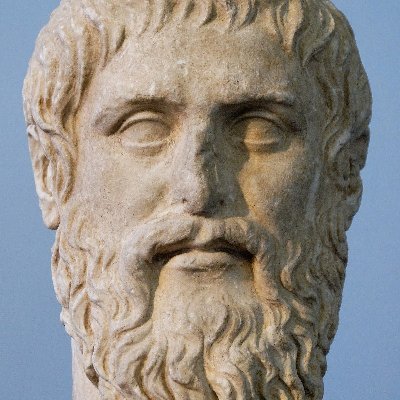
12 Reasons Why Cities Need More Trees:
1. Temperature Control
One large tree is equivalent to 10 air conditioning units, and the shade they provide can reduce street temperature by more than 30%.
2. Noise Reduction
Trees can reduce loudness by up to 50%. In urban areas filled with the sound of cars, construction, sirens, aeroplanes, and music, trees are essentially the best way to block noise and keep cities — along with the homes and workplaces in them — quieter.
3. Air Purity
Trees remove an astonishing amount of harmful pollutants and toxins from the air. In urban areas air quality is often disastrously bad — with severe consequences for our health. Trees make the air we breathe much cleaner.
4. Oxygen
And, while absorbing all those pollutants, trees also put more oxygen back into the urban environment. Oxygen levels are significantly lower in cities compared to the countryside; trees help to solve that problem.
5. Water Management
Trees do more than just shelter us and our buildings from rain — which is, in fact, extremely important. They also absorb huge quantities of water, reduce run-off, neutralise the severity of flooding, and make flooding more unlikely altogether. Not to forget that their roots absorb pollutants and prevent them from feeding back into a city's water supply.
6. Psychological Health
Studies have proven what we instinctively know to be true: that human beings are significantly happier when surrounded by nature rather than sterile urban environments. Our emotions, behaviour, and thoughts are shaped by the places we spend time — and trees have a profoundly positive effect on our psychology. The consequential benefits of being happier and more peaceful — as individuals and as a society — are immense.
7. Physical Health
Beyond all the other ways in which trees improve air quality and the urban environment, much to the benefit of our health, they also encourage people to go outside. Cycling, running, and walking are all more common in urban areas with plenty of trees. A knock-on effect of people spending more time outdoors is also social integration and stronger communities.
8. Privacy
A simple point, but not inconsequential, is that trees provide privacy.
9. Economics
The total economic benefit of urban trees is hard to calculate. There are costs, of course, including the repair of infrastructure damaged by roots and maintaining the trees themselves. But the total economic benefit — a consequence of everything else in this list and more — far outweighs the expenditure. Trees make cities wealthier.
10. Wildlife
Trees are miniature cities all of their own, serving as a habitat for hundreds of different species, including birds and mammals and insects.
11. Light Pollution
Trees don't only block the light shining down, therefore keeping us and our cities cooler — they also disrupt light shining up, from street lighting, cars, houses, and billboards. Skies are clearer in cities with more trees.
12. Aesthetics
And, finally, trees are beautiful. They break up the potential monotony of urban environments — the sharp geometry, the greyscale roads and buildings, the endless rows of cars — with their trunks, boughs, canopies, and flowers.
Just think: the gold and red of falling leaves in autumn, the white and pink blossom of spring, the vast green canopies of summer, and the branches lined with hoar-frost in winter. Every single tree is a myriad of intricacy and texture, of colour and scent, of dappled light on the pavement, mottled bark, knotted roots, of clustered leaves and delicate petals and stern boughs.
Few streets would not be improved by the kaleidoscopic aesthetic delights of a tree, not to mention the many different species of tree, all over the world, whether willow, oak, lime, cherry, aspen, maple, birch, horse chestnut, dogwood, hornbeam, ash, sycamore... the list goes on.
There are some drawbacks to urban trees, most of them context-specific, and they are not — of course — universally appropriate. But it seems fair to say that many cities would benefit from at least a few more trees here and there.


Chetan retweeted

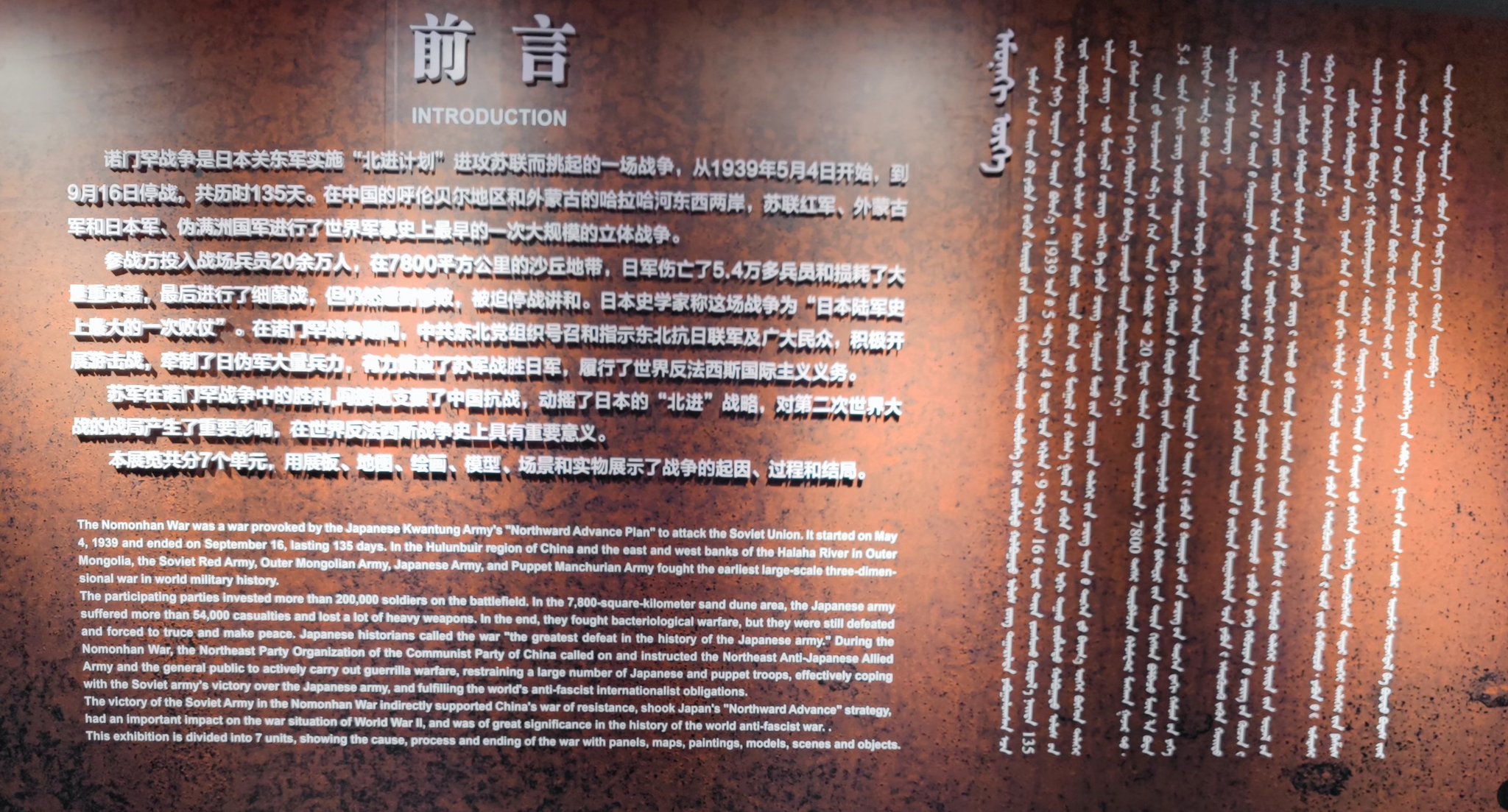
We spending the night in the most important WW2 historical site you've never heard of: Nomonhan (also known as the site of the battles of Khalkhin Gol), where the Soviet Union defeated Japan in 1939, which changed the course of the war.
Japan and Nazi Germany may have won WW2 were it not for the battles that happened right here during 135 days. Incredibly this episode of the war is virtually untaught in the West, maybe because it didn't involve the West (which shows how self-centered our version of history is).
During WW2 Northeast of China had been invaded and annexed by Japan, transformed into a puppet state called Manchukuo. This place is in the extreme West of this former puppet state (which is now back to being Northeast China), on the border with Mongolia and the former Soviet Union (now the Russian border).
At the time, 1939, Japan's basic strategy for the war was "Northward Advance" (Hokushin-ron), i.e. seizing Siberia for its resources as far as Lake Baikal.
The USSR obviously begged to differ and Stalin sent General Zhukov, one of his best men (the future Marshal of the Soviet Union) on site to fight the Japanese back.
Long story short, the battles that ensued - with 200,000 soldiers on the battlefield - lastest 135 days and were the earliest large-scale 3-dimensional warfare in military history. It ended in a humiliating Japanese defeat which some Japanese historians call "the greatest defeat in the history of the Japanese army", with 54,000 casualties.
The most important consequence of the battles that were fought here is that the Japanese completely changed their strategy from "Northward Advance" to "Southward Advance", favoring seizing the resources of Southeast Asia instead of those of Siberia.
Masanobu Tsuji, the Japanese colonel most instrumental in these battles became "the most determined single protagonist in favor of war with the United States" and one of the strongest proponents of the attack on Pearl Harbor inside the Japanese army (according to postwar testimonies), having been traumatized by his experience of fighting the Soviet Union. The US was of course the biggest power the Japanese would have to confront by pursuing the "Southward Advance" strategy since only the US Pacific Fleet stood in the way of seizing the oil-rich Dutch East Indie.
In fact the Nomonhan battles traumatized the Japanese so much that they didn't dare fight the Soviet Union again for the remainder of WW2. Even when their ally Nazi Germany opened the Eastern front the Japanese army adopted a resolution "not to intervene in German Soviet war for the time being", leaving Hitler to fight the Soviet Union on his own, which would ultimately prove to be his demise.
So it's no exaggeration to say that had the battles here not been fought or had the Japanese won, WW2 would have most likely turned out dramatically different. Pearl Harbor wouldn't have happened, and Japan would have likely helped Nazi Germany fight the Soviet Union by opening a front to the East.
Nomonhan may in fact have been the most consequential battles of WW2!


Chetan retweeted

Super 60th B-Day to Phoebe Cates, who has paused more VHS tapes than any other living human.
Chetan retweeted
Leicester City Football Club can confirm the signing of highly-rated defender Callum Doyle on loan from Manchester City, subject to league approval ✍️
Chetan retweeted

There's a craft to telling a joke.
It's a thing of great beauty, great skill. And nobody did it better than the magnificent Mr. Dave Allen.


Chetan retweeted

POV: Even Kendrick Lamar has hay fever 🤧🌼 #kendricklamar
Tickets to my comedy tour in bio 🎟️🏃🏽♂️

Chetan retweeted

This guy wants my job!?!? I offered a swap … collaboration on a piano album under discussion haha

Chetan retweeted
We are delighted to announce the appointment of Enzo Maresca as our new First Team Manager 🦊


Chetan retweeted

Greatest living American writer, no longer living.

Cormac McCarthy, a Pulitzer Prize-winning novelist who endured decades of obscurity and poverty before film versions of “All the Pretty Horses,” “No Country for Old Men” and “The Road” brought him a wide readership and financial security, has died at 89.
variety.com/2023/film/news/c…
