

A coalition of North American organizations experiencing restrictive software licensing practices.
Joined October 2021
- Tweets469
- Following164
- Followers115
- Likes68






Coalition for Fair Software Licensing retweeted

Technology leaders across the US say they're choosing Azure mainly to avoid fees, and are calling for regulators to step in itpro.com/software/microsoft…


NEW SURVEY finds that Microsoft's software licensing practices are a widespread barrier to competition and choice. The costs reach beyond IT departments to American consumers.


The CMA's proposed decision validates what customers across the UK have been telling us for years: Microsoft's restrictive software licensing practices are raising costs, limiting choice, and making it harder for organizations to adopt the technology that best serves their needs.

That is why it is critical for the CMA to move swiftly in receiving information regarding potential interventions that prevent Microsoft from further tightening its grip on the market.
Full statement: fairsoftwarelicensing.com/ne…

A practice that has long plagued enterprise customers now hits consumers directly:
"The only entity winning in this situation is Microsoft because it knows that it's hard for many like myself now to pull the trigger and switch their cloud storage and Office ecosystem entirely."

Microsoft 365 Family's 66.7% OneDrive storage cut in favor of shared Copilot benefits has destroyed its value and pushed me toward cancellation. #Microsoft365 #AI #OneDrive neowin.net/editorials/im-ser…

Fair software licensing concerns are evolving with AI. As Microsoft rolls out its Copilot "super app," the question is clear: will customers have real freedom to choose third-party AI tools, or face penalties for doing so?

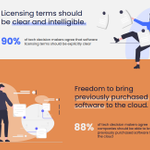
Our recent survey shows workers believe legacy vendors use their dominance to push customers into AI tools they don't need or want. The growing reality is that customers want choice and the flexibility to decide which tools work best for them.

Broadcom’s licensing changes are part of a growing trend of software providers rewriting the terms for existing customers — squeezing budgets and eliminating real choice.
It's time for enforceable standards that protect customers.

Microsoft ends one of the last ways to buy VMware without big bundles theregister.com/virtualizati…

THIS is the impact of restrictive software licensing.
When customers are locked in with no choice, prices can be raised "at will," and the customer is left holding the bag.

Microsoft has increased licensing fees for Windows 11 by 7-10%, and at least two brands are set to raise PC prices in Taiwan by 5% this quarter, reports United Daily News. pcmag.com/news/buying-a-new-…

The architecture of anticompetitive licensing lock-in:
Legacy dominance → discriminatory licensing → infrastructure gravity → forced bundling . The cycle locks enterprises in and shuts competitors out.
Regulators have an opportunity to act before more customers are harmed.

Squeezing customers to extract maximum revenue is not an accident—it is central to Microsoft’s business model.
The UK CMA has made clear it will not tolerate Microsoft’s anticompetitive behavior, from its ongoing business software licensing investigation to today’s probe.

UK's competition regulator investigates Microsoft over 365 subscriptions reuters.com/world/uks-compet…
Full statement: fairsoftwarelicensing.com/ne…
Government licensing monopolies and lock-in are real threats to American national security.
Restoring a level playing field isn't just good for business. It's essential to our security, our innovation, and the customer choice that a truly competitive market demands.


Too new? Try too restrictive. Our research shows workers know exactly what E7 is: a lock-in play.
Employers don't want forced, costly AI that harms competition. Procurement should be driven by innovation, capability, and price, not by coercion.

From universities to insurers to startups, businesses across the UK say they're locked in, overcharged, and out of options. Bold remedies are needed now.
Read our latest blog to find out why: fairsoftwarelicensing.com/ne…