

Multi-Asset Trader & Mentor | 25+ years in markets | Trading psychology, risk, discipline & decision-making | Sharing lessons from real trading.
Joined June 2023
- Tweets410
- Following49
- Followers1.4K
- Likes1.4K






Pinned Tweet
14 months ago, my NEVER GIVE UP mentality almost left me disabled during a 24-hour race. I'm still injured and paying the price.
I've been to that dark cave where pain disappears. The problem is coming back! 😂
My targets remain: 200 km in 24 hours. (My record: 142 km) Then 48 hours.
NEVER GIVE UP!

A winning trade can teach the wrong lesson. I’d rather take a planned loss than make a profit from a random decision. A planned loss shows you saw the setup, followed your risk rules and fairly tested your plan. Ask: Would I repeat it 20 times?
A winning trade can be dangerous. Profit can hide bad behavior — no setup, moved stop, took extra risk. If it wins you may think you were right, but the market may have rewarded a bad process. I’d rather a clean loss than a rule‑breaking win. Ask: did I follow my plan?
You took the trade correctly and still lost. You followed rules, kept risk, didn’t move the stop. That doesn’t mean the plan failed. Judge by process, not P&L. Record both honestly. Ask: did I follow the plan?
Small size can frustrate. If it makes you freeze, move stops, close early or skip setups, it hurts trust in your plan. Pick a size you can handle calmly. Trade a fixed sample, follow the same entry, risk, exit and session rules, then review. What changes?
Check out my latest article: Why You Don’t Trust Your Trading Plan Yet linkedin.com/pulse/why-you-d… via @LinkedIn

I don't know how long it will take, but I'm willing to wait. Patience is part of trading. $XAUUSD

You close a trade, say it's a break, then grab your phone. That's not a break. Real break: water, 5-min walk, stretch, look outside. No chart or phone. Return with a clear head. How would your trading change if you stopped swapping screens?
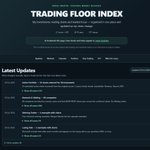
My Trading Floor Index is growing.
66 companies are now on my Waiting List.
This includes GE, HON, CAT, UNP, WM, DE, LMT, AVGO, JPM, SPGI and BLK.
Every company has a research score.
But a strong company does not always mean a good entry.
Research first. Patience before action.
traderimperium.systeme.io/da…
A break from trading isn't switching to your phone. Scrolling keeps you reactive. After a stressful trade, put the phone down and walk 5 min, make coffee, get water or look out a window. No screens. Don't catch every move—recognise the right one
After a trade, stand up before opening another. Walk a few minutes, stretch, get water. No chart, no phone, no screen. Let emotions from the last trade settle. You don't need to catch every move. What do you do after a trade?
Trades after a win can be more dangerous than after a loss. You feel switched on and chase the next setup, but your judgement slips. Try this: stand up before opening the next ticket. No chart, no phone—take a few minutes.
Check out my latest article: The Trade You Miss While You Refuse to Leave the Desk linkedin.com/pulse/trade-you… via @LinkedIn

After you close a trade, don't jump back to the chart or your phone. Stand up, step away, get water, stretch or walk for a few minutes. Create space between decisions so you come back calmer. You don't need to catch every move.
A good trading month can create pressure: you may spend more, withdraw too much or raise fixed costs. If the market slows, drawdowns can feel like emergencies. Have withdrawal rules, keep capital, save for tax/future. Enjoy success, keep life stable.
One good trading month can create pressure: earn more, spend more, add fixed costs. If markets go quiet or you hit losses, you may be protecting a market-dependent life. Before spending ask: would this be comfortable after two difficult months?
One strong trading month can create pressure. You may spend more, raise fixed costs, or withdraw too much, then force trades when markets slow. Have withdrawal rules: decide when to pay yourself, keep capital, set aside tax. What rules do you use?
Check out my latest article: When a Drawdown Starts Paying Your Bills linkedin.com/pulse/when-draw… via @LinkedIn

Traders have rules for trades — not for cash. Drawdowns make choices urgent. Set cash rules: no size increase to recoup losses; no withdrawals after one strong month; no personal money to chase recovery; review trading risk with life costs.