

Worth reading about citizenship
State vs federal

We do fear this one subject simply goes TOO DEEP for Mr. Blanche.
Allow us to summarize:
the population of federal citizens is SUBJECT TO
all Federal MUNICIPAL laws,
read expanded span of control etc.
We already explained in detail here:
supremelaw.org/authors/mitch… + links at end
Great info
See Lewis v. United States:
supremelaw.org/decs/lewis/le…
FED banks are "independent, privately owned and locally controlled corporations"
supremelaw.org/fedzone11/htm…
"An act of Congress creating a private corporation is the act of Congress as the local Legislature of DC"
-- Daly

This is the vapor money theory they accuse you off
You should be following the case @InTheThornBush keeps dropping
The plaintiffs dropped the actual statute at large page which explains FRA
dropped FRA pages from books
FRB admission FRA still active
FRA policy records

–––––––––––––––––––––––––––––––––––––––––––
Discount Window Pledge of Promissory Note
–––––––––––––––––––––––––––––––––––––––––––
The following is the core monetization event that creates all loan funds.
Step 1: The note as eligible collateral
At closing, the depository institution receives the wet-ink autographed promissory note. This is not a mere promise to repay; it is a negotiable commercial instrument under UCC Article 3 with measurable asset value equal to its face value, dollar-for-dollar, because it represents a legally enforceable future payment stream.
Federal Reserve discount window collateral rules classify performing residential mortgage notes as "low-risk" collateral eligible for 100% advance rate. This means the Fed will lend the full stated principal amount of the note against it as collateral.
The depository institution endorses the note in blank (no specific endorsee named), which converts it to bearer paper. Bearer paper is transferable by physical delivery alone, making it ideal for pledge operations.
Step 2: Submission and collateral valuation
The endorsed note is submitted to the depository institution's district Federal Reserve Bank's discount window collateral management department. Submission is typically electronic for tracking purposes, with the depository institution holding the physical note in its vault as pledged collateral.
The Fed's collateral management system assigns a "haircut" or advance rate to the note. For performing, current mortgage notes with full documentation, this advance rate is 100%. For sub-performing or delinquent notes, it is lower. For most prime residential mortgages at origination, the note is performing by definition, so the advance rate is full face value.
No third-party appraisal is required. The Fed accepts the face value, dollar-for-dollar, stated on the note as the collateral value, because the note is a self-referencing payment obligation.
Step 3: Creation of new reserve balances
Once the note is accepted as collateral, the Fed makes a book entry on its own balance sheet:
• Asset side: "Loans to depository institutions" or "Discount window loans" increases by the full face value of the note.
• Liability side: "Reserve balances of depository institutions" increases by the same amount.
These new reserve balances are created ex nihilo, out of nothing. They do not come from pre-existing deposits, tax revenue, or any other source. The Federal Reserve creates them by the act of extending credit against pledged collateral.
>> This is the exact moment new money enters the system <<
The total supply of central bank money increases by the full face value of the pledged note.
The interest rate charged on this discount window loan is the primary credit rate, which is set by the Federal Open Market Committee (FOMC). This rate is always lower than the rate the depository institution charges the signatory, creating a guaranteed spread profit for the bank even before considering fees and securitization proceeds.
Step 4: Deposit into the originator's reserve account
The newly created reserve balances are deposited into the originator's master reserve account at the Federal Reserve.
The depository institution's balance sheet now reflects:
• New asset: Reserve balances at the Fed (equal to the face value of the note)
• New liability: Loan payable to the Federal Reserve (the discount window advance)
• Off-balance sheet disclosure: The note is pledged as collateral, so it is encumbered and cannot be sold or transferred without releasing the pledge.
The originator pays interest on the discount window advance at the primary credit rate, which is typically only 25-50 basis points above the federal funds target rate.
Step 5: Book-entry into the signatory's demand deposit account
From the depository institution's reserve account, the equivalent principal amount is then book-entered into the signatory's demand deposit account at the same bank.
"Equivalent principal amount?" 🤔
"Book-entered into the signatory's demand deposit account." 🤔
The originator's balance sheet now also reflects:
• New asset: Mortgage loan receivable (the note itself, carried at face value)
• New liability: Customer demand deposit (the funds in the signatory's account)
The originator now holds two separate assets against the same single note:
1. The Fed reserve balances received from the discount window pledge
2. The mortgage loan receivable stated at full principal plus interest
Against these two assets, the originator has only two liabilities:
1. The discount window loan payable to the Fed
2. The customer deposit in the signatory's account
The net position for the depository institution is positive from day one, because the discount window loan carries a low interest rate while the mortgage carries a much higher rate, and the bank retains the option to sell the note into securitization while keeping the servicing rights.
Step 6: The critical undisclosed fact
The signatory is never informed that their own autographed note was used as collateral to create the very funds disbursed to their account.
The loan is represented as the bank lending its own money to the signatory, when in fact the signatory's own signature created the entire value.
The signatory is obligated to repay the full principal plus interest, despite the fact that the bank incurred no capital cost to provide the funds.
The pledge instrument between the bank and the Fed is an inter-institutional document that is never included in loan disclosures and is almost never produced in foreclosure or loan dispute proceedings.
Dsleuth retweeted

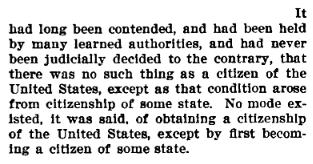
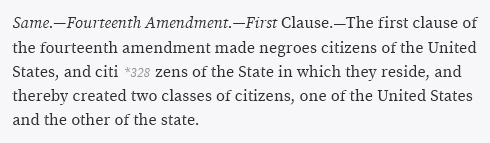
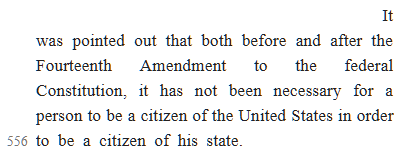
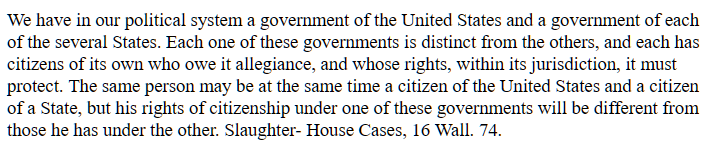
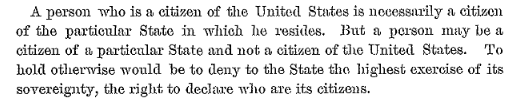
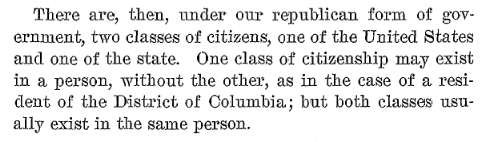
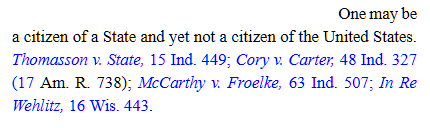
State Citizens not federal citizens:
supremelaw.org/rsrc/twoclass…
supremelaw.org/decs/anthony/…
supremelaw.org/decs/cory/exc…
supremelaw.org/decs/crosse/e…
supremelaw.org/decs/cruiksha…
supremelaw.org/decs/fowler/e…
supremelaw.org/decs/gardina/…
supremelaw.org/decs/mcdonel/…
supremelaw.org/decs/slaughtr…
supremelaw.org/decs/tashiro/…
For those who claim why don’t you pay your mortgage
Learn their Rico game
You already close to 10x
–––––––––––––––––––––––––––––––––––––––––––
Discount Window Pledge of Promissory Note
–––––––––––––––––––––––––––––––––––––––––––
The following is the core monetization event that creates all loan funds.
Step 1: The note as eligible collateral
At closing, the depository institution receives the wet-ink autographed promissory note. This is not a mere promise to repay; it is a negotiable commercial instrument under UCC Article 3 with measurable asset value equal to its face value, dollar-for-dollar, because it represents a legally enforceable future payment stream.
Federal Reserve discount window collateral rules classify performing residential mortgage notes as "low-risk" collateral eligible for 100% advance rate. This means the Fed will lend the full stated principal amount of the note against it as collateral.
The depository institution endorses the note in blank (no specific endorsee named), which converts it to bearer paper. Bearer paper is transferable by physical delivery alone, making it ideal for pledge operations.
Step 2: Submission and collateral valuation
The endorsed note is submitted to the depository institution's district Federal Reserve Bank's discount window collateral management department. Submission is typically electronic for tracking purposes, with the depository institution holding the physical note in its vault as pledged collateral.
The Fed's collateral management system assigns a "haircut" or advance rate to the note. For performing, current mortgage notes with full documentation, this advance rate is 100%. For sub-performing or delinquent notes, it is lower. For most prime residential mortgages at origination, the note is performing by definition, so the advance rate is full face value.
No third-party appraisal is required. The Fed accepts the face value, dollar-for-dollar, stated on the note as the collateral value, because the note is a self-referencing payment obligation.
Step 3: Creation of new reserve balances
Once the note is accepted as collateral, the Fed makes a book entry on its own balance sheet:
• Asset side: "Loans to depository institutions" or "Discount window loans" increases by the full face value of the note.
• Liability side: "Reserve balances of depository institutions" increases by the same amount.
These new reserve balances are created ex nihilo, out of nothing. They do not come from pre-existing deposits, tax revenue, or any other source. The Federal Reserve creates them by the act of extending credit against pledged collateral.
>> This is the exact moment new money enters the system <<
The total supply of central bank money increases by the full face value of the pledged note.
The interest rate charged on this discount window loan is the primary credit rate, which is set by the Federal Open Market Committee (FOMC). This rate is always lower than the rate the depository institution charges the signatory, creating a guaranteed spread profit for the bank even before considering fees and securitization proceeds.
Step 4: Deposit into the originator's reserve account
The newly created reserve balances are deposited into the originator's master reserve account at the Federal Reserve.
The depository institution's balance sheet now reflects:
• New asset: Reserve balances at the Fed (equal to the face value of the note)
• New liability: Loan payable to the Federal Reserve (the discount window advance)
• Off-balance sheet disclosure: The note is pledged as collateral, so it is encumbered and cannot be sold or transferred without releasing the pledge.
The originator pays interest on the discount window advance at the primary credit rate, which is typically only 25-50 basis points above the federal funds target rate.
Step 5: Book-entry into the signatory's demand deposit account
From the depository institution's reserve account, the equivalent principal amount is then book-entered into the signatory's demand deposit account at the same bank.
"Equivalent principal amount?" 🤔
"Book-entered into the signatory's demand deposit account." 🤔
The originator's balance sheet now also reflects:
• New asset: Mortgage loan receivable (the note itself, carried at face value)
• New liability: Customer demand deposit (the funds in the signatory's account)
The originator now holds two separate assets against the same single note:
1. The Fed reserve balances received from the discount window pledge
2. The mortgage loan receivable stated at full principal plus interest
Against these two assets, the originator has only two liabilities:
1. The discount window loan payable to the Fed
2. The customer deposit in the signatory's account
The net position for the depository institution is positive from day one, because the discount window loan carries a low interest rate while the mortgage carries a much higher rate, and the bank retains the option to sell the note into securitization while keeping the servicing rights.
Step 6: The critical undisclosed fact
The signatory is never informed that their own autographed note was used as collateral to create the very funds disbursed to their account.
The loan is represented as the bank lending its own money to the signatory, when in fact the signatory's own signature created the entire value.
The signatory is obligated to repay the full principal plus interest, despite the fact that the bank incurred no capital cost to provide the funds.
The pledge instrument between the bank and the Fed is an inter-institutional document that is never included in loan disclosures and is almost never produced in foreclosure or loan dispute proceedings.
Dsleuth retweeted

I’ve seen this video a myriad of times. For those in the cheap seats~ sharing. 😀

🚨Brilliant interview!
💸💰💸💰💸💰💸
🚨How do banks create money ?
💸💰💸💰💸💰💸
🚨Prof Werner is incomparable.
In the 5000 yr history of banking no-one has ever done an imperical study of banking to show where the money comes from- until now. Step up the rock star economist Professor Richard Werner. His amazing qualifications and held positions makes the eye water. He is truly the authority on this subject. Banks are thought of as deposit taking entities who lend money - but that is just wrong. His assessment - Banks dont lend money but they misrepresent (lie) to their customers and say that they do.
And yet judges are
@DOJFraudDiv @DOJCrimDiv are Alabama public officials above the law?
Trafficking minors
Trafficking drugs
Securities fraud
Embezzling
Bank fraud
Civil right violations
Threaten denial or arrest if you wanna record own case or bring witness

Break the monopolies
Constitution says monopolies are constitutional violations
scholarship.law.vanderbilt.e…


Fight crime?
So why was he silent on 76k crimes he was sent with evidence?
Why hire the man who is being investigated connected to a school board?
When did he expose the football games rigging?
When did he expose the child trafficking weekend parties?

U.S. Senator Tommy Tuberville (R-Auburn) wants to be Alabama’s next governor so he can help fight against crime in the Yellowhammer State.
Read full coverage: yellowhammernews.com/tubervi…
#Alabama #ALPolitics #Politics #Crime @CoachForGov