

Economic Policy Research Centre (EPRC) is Uganda's leading think tank in economics and development policy-oriented research and policy analysis.
Kampala, Uganda
Joined November 2012
- Tweets8.5K
- Following4K
- Followers5K
- Likes3.7K





Pinned Tweet
Charcoal Dependence: the dilemma of attaining sustainable production & u... youtu.be/5QHv-SmrSdc?si=wv-m… via @YouTube

EPRC retweeted

𝐃𝐀𝐊𝐒𝐇𝐈𝐍 𝐃𝐚𝐲 | 𝐒𝐞𝐬𝐬𝐢𝐨𝐧 𝟓: 𝐁𝐮𝐢𝐥𝐝𝐢𝐧𝐠 𝐒𝐮𝐬𝐭𝐚𝐢𝐧𝐚𝐛𝐥𝐞 𝐓𝐫𝐚𝐝𝐞 𝐚𝐧𝐝 𝐈𝐧𝐯𝐞𝐬𝐭𝐦𝐞𝐧𝐭 𝐑𝐞𝐥𝐚𝐭𝐢𝐨𝐧𝐬
The session brought together policymakers, trade experts, researchers and industry leaders to deliberate on building a more diversified, inclusive and development-oriented India-Africa trade and investment partnership.
𝐊𝐞𝐲 𝐏𝐞𝐫𝐬𝐩𝐞𝐜𝐭𝐢𝐯𝐞𝐬
🔹 Chairing the session, Mr Yashvir Singh, Additional Secretary, Department of Commerce (@DoC_GoI), called for a more diversified and integrated India–Africa economic partnership through broader trade engagement, two-way investment and joint value-chain development, leveraging AfCFTA, India’s DFTP Scheme and preferential trade arrangements.
🔹 Dr Sarah N. Ssewanyana (@SNSsewanyana), Executive Director, Economic Policy Research Centre (@EPRC_official), Makerere University, Uganda, joining virtually, called for geographically inclusive and diversified trade built on local value addition, and proposed a joint India–Africa MSME Trade and Investment Facility with a focus on women- and youth-led enterprises.
🔹 Mr Abhijit Das (@Abhijit_trade), Former Head, Centre for WTO Studies, IIFT, emphasised closer coordination among India, African countries and other developing economies to advance development-oriented WTO reforms and safeguard policy space for industrialisation.
🔹 Dr Nasir Jamal, Assistant Secretary General, @phdchamber, highlighted the role of industry chambers in connecting Indian and African MSMEs, and identified agriculture, healthcare, green technologies, energy and digital transformation among key areas for cooperation.
🔹 Mr Aashish Chandorkar (@c_aashish), Former Counsellor, Permanent Mission of India to the WTO, Geneva, called for sustained coordination in multilateral forums, cautioned against green protectionism, and highlighted digital trade, technology-sharing and DPI as enablers of trade connectivity.
🔹 Dr Pankaj Vashisht (@PV_Chat), Associate Professor, RIS, underlined the need for stronger institutional trade frameworks, industry consultations to identify commercially viable sectors, and joint ventures backed by development cooperation instruments such as concessional financing, technical assistance and skill development.
The discussions reflected a shared commitment to an India-Africa economic partnership grounded in value addition, inclusive investment, MSME linkages and collective engagement in shaping fair and development-oriented global trade rules.
@PMOIndia | @DrSJaishankar | @MEAIndia | @dpa_mea | @SudhakarDalela | @SKSharma_World | @RajanRatna | @psbirthal | @Prabir_India | @sabya_saha | @pdash76 | @AmitK_PhD | @susheco | @GaurPankhuri | @monika_koc56097 | @SarinNS1 | @amitdasvaranasi | @cmec_ris | @DakshinNews | @AIC_aseanindia | @fitm14 | @fisd19 | @forum_blue | @FIDC_NewDelhi
#DAKSHINDay #DAKSHIN #RIS #GlobalSouth #SouthSouthCooperation #India #Africa #AfCFTA #Trade


EPRC retweeted

Uganda’s budget went from Shs48.13 trillion in 2022/23 to Shs84.39 trillion this year. That’s 75% higher before adjusting for inflation.
The biggest jump came in 2024/25. The budget grew by Shs19.4 trillion in that year alone, accounting for just over half of the increase since 2022/23.
Where will this year’s money come from? For every Shs100 in the budget, @GovUganda expects to raise about Shs55 in domestic revenue and borrow Shs14 locally.
Source: shorturl.at/Bi7FI
#KnowYourBudget #CEPAProgramming


With partners, @EPRC_official on Thursday Nov 12 disseminated two studies assessing how Front-of-Pack Labelling could influence consumer understanding and food choices in Uganda. 1/4


EPRC retweeted

#ASWNov2026
As Africa celebrates the Africa Statistics Day (ASD) every 18th November, Uganda Celebrates a week of Statistical activities through the Africa Statistics Week (ASW).
Today, we are Launching the Plan for National Statistical Development, alongside side others.
Catch us live on YouTube and Teams for real time proceedings through the links 👇
YouTube
youtube.com/live/RXEoW8zI7PY…
Teams
________________________________________________________________________________
Microsoft Teams meeting
Join: teams.microsoft.com/meet/357…
Meeting ID: 357 784 793 214 645 9
Passcode: Va2cF2or
@ntvuganda @NBSBreakingNews @ubctvuganda @DailyMonitor @newvisionwire

@EPRC_official joins @mofpedU to congratulate our Board of Directors chairperson Dr @rggoobi on his renewed mandate


EPRC retweeted

@EPRC_official is today hosting a targeted study validation meeting of MDA, and some private sector players involved in supporting farmer-led irrigation programme which aimed to provide farmers with cost sharing subsidy on acquiring and installing irrigation equipment.


EPRC retweeted

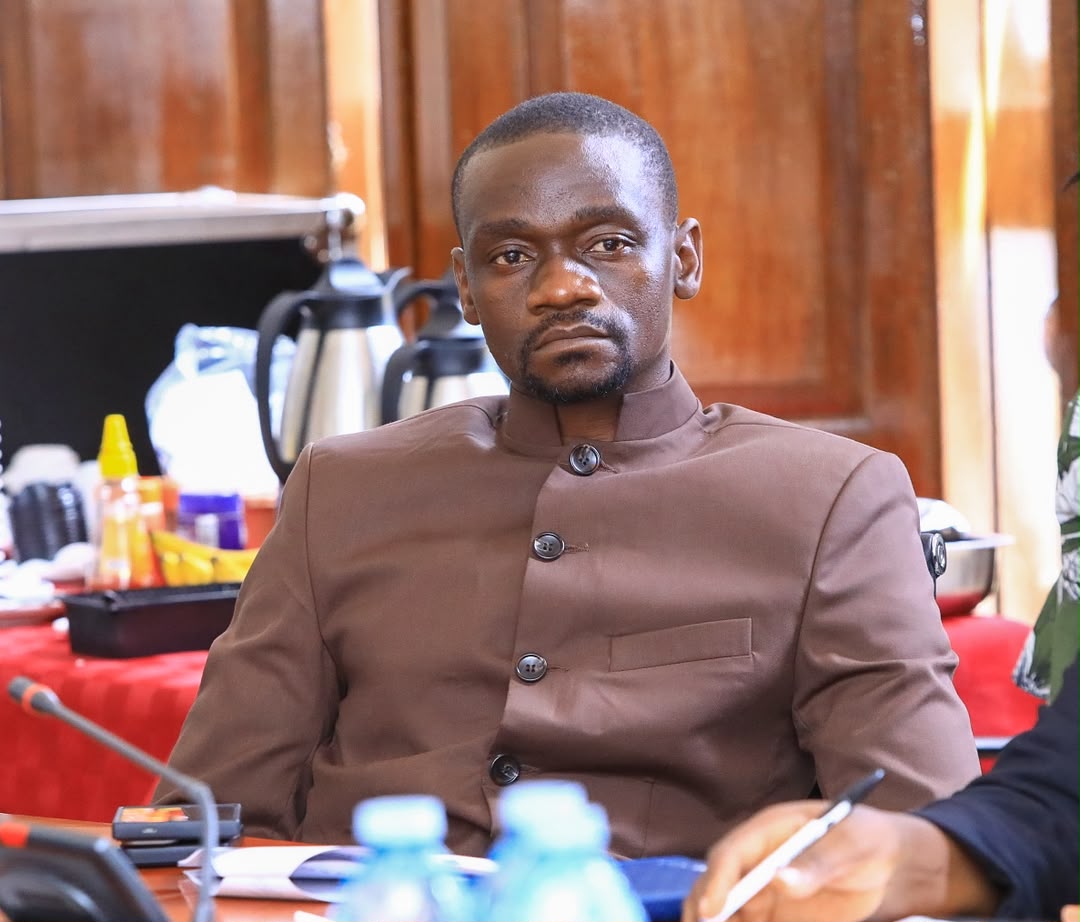
A Senior Researcher at the Economic Policy Research Centre (EPRC), Dr. Isaac Shinyekwa has told the Committee on Tourism, Trade and Industry that Uganda needs targeted policy interventions to revitalise its Cotton, Textile and Apparel (CTA) value chain.
Dr. Shinyekwa told the committee chaired Hon. Okot Boniface that the challenges affecting the sector include high production costs, low cotton yields, declining farmer returns and underutilisation of local ginneries, which are currently operating at just 18 per cent capacity.
EPRC called for targeted interventions, including reducing farmers’ production costs, promoting mechanisation and irrigation and strengthening local textile processing.
The centre’s presentation noted that cotton supports over 250,000 households and nearly three million Ugandans particularly in Northern and Eastern Uganda.



EPRC retweeted

Speaking at the 3rd Doing Business Forum, under the theme “Unlocking Uganda's Tenfold Growth through the Construction Value Chain: Regulatory Reform, Local Capacity and Infrastructure Investment,” I noted that
Government will work with local governments to improve physical planning, simplify building approvals and uphold construction standards.
I outlined Government's priorities for strengthening Uganda's construction value chain, focusing on simplifying building approvals, stronger local contractors, affordable long-term financing and improved accountability in public investment.
Developers should know the requirements, costs and timelines for obtaining approvals to make it easier to build safely and predictably.
Government and the private sector will support Ugandan contractors to develop the skills, equipment and management capacity needed to deliver quality work.
I also called for support towards innovations that make locally produced building materials more competitive to reduce construction costs. The objective is to enable more Ugandan firms and workers participate competitively in the construction value chain and retain more value in the domestic economy.
With Uganda's housing deficit estimated at 2.4 million units, the demand will require private investment and financing that households and developers can afford.
@mofpedU will support the phased capitalisation of the National Housing and Construction Company, alongside private sector innovations aimed at lowering the cost of building.
Government will continue investing in roads, electricity, water and other essential services, including in Greater Kampala, to support construction and create an enabling environment for private investment.
Government will also advance digitisation and procurement reforms to strengthen accountability, curb corruption and protect value for money in public investments.
I challenged the Forum to identify practical changes that will reduce the cost and time of building, help Ugandan firms win and deliver contracts, and attract long-term investment. I called for each proposal to specify the responsible institution and what it can deliver within a clear timeframe.
The recommendations from this Forum are expected to inform the next Budget, the medium term and Government's reform priorities.
#10FoldGrowth


EPRC retweeted

Africa’s Media Crisis: Analogue Mindsets & Strategies In a Digital Landscape Won’t Save Journalism
Checkout perspectives from our president; @Kalinaki during his candid conversation with @StKyamutetera from @CEOMagazineGL about life, journalism and the rapidly changing media industry with
youtu.be/x_ybVRhrksM?si=KIt_…

EPRC retweeted

CLOSING THE HOUSING GAP IN UGANDA
Finance Minister @henrymusasizi1 has said addressing Uganda’s housing deficit estimated at 2.4 million units requires private investment and financing that households and developers can afford. He said Mortgage refinancing can help lenders provide longer-term housing finance.
The Minister said @mofpedU will support the phased capitalisation of the National Housing and Construction Company and private innovations that lower the cost of building.
“We will work with local governments to improve physical planning, simplify building approvals and uphold construction standards,” said the Minister, adding that developers should know what is required, what it costs and how long a decision will take.
The PSST @rggoobi said this conversation is intended to feed into the FY2027/28 Budget, adding that a competitive construction industry supports the entire economy.
“Our objective is to build infrastructure efficiently while expanding opportunities for Ugandan contractors, manufacturers, professionals and workers,” said Dr. Ggoobi.
He called for improvement in project preparation, coordinated utility provision and timely implementation, adding that Ugandan firms need the appropriate finance, equipment, technical capacity and management systems to deliver quality work on time.
#10FoldGrowth


EPRC retweeted

𝗠𝗲𝗻𝘁𝗮𝗹 𝗵𝗲𝗮𝗹𝘁𝗵 𝗶𝘀 𝗮 𝗴𝗼𝗹𝗱𝗺𝗶𝗻𝗲. 𝗣𝗿𝗼𝘁𝗲𝗰𝘁 𝗶𝘁.
In today’s Daily Monitor, page 11, Sharon Aber, a Lawyer at CEHURD, reflects on the mental health challenges facing communities in Uganda, including stigma, violence, discrimination and gaps in access to #MentalHealth services.
She calls for a shift beyond awareness to meaningful action, urging society to listen, institutions to act and the health system to recognise mental well-being as essential to health and dignity.
Read the full article on page 11 of today’s Daily Monitor or online » monitor.co.ug/uganda/oped/co…
#ActionForWomensHealthUg


EPRC retweeted

Join us for the next Global Conversations on Sustainable Health as we explore an important question: Are we prepared for the next outbreak?
Drawing lessons from the #Ebola experience in the Democratic Republic of Congo, this conversation will bring together experts from Africa and beyond to reflect on how we can strengthen pandemic preparedness, improve disease surveillance, coordinate emergency responses and build resilient health systems.
Register here to attend: ki-se.zoom.us/meeting/regist…
