

The Emirates Policy Center (EPC), At the Forefront of Policy Recommendation. مركز الإمارات للسياسات, تحليل المستجدات وترشيد السياسات.
Abu Dhabi, UAE
Joined January 2014
- Tweets27K
- Following118
- Followers10K
- Likes1.5K


EPC retweeted

I attended the panel ❝The Middle East Between Competing Visions: New Maps and Alliances❞ at the Abu Dhabi Strategic Debate, hosted by @EmiratesPolicy, with Dr Kilic Kanat as a panellist.
It was truly encouraging to witness the growing collaboration between think tanks in Türkiye and the UAE. 🇹🇷🇦🇪


EPC retweeted
#فيديو| الدكتور #أنور_قرقاش، خلال ملتقى #أبوظبي الاستراتيجي الثالث عشر: #الإمارات تحملت العبء الأكبر من الهجمات الإيرانية، وواجهت نحو 3300 صاروخ وطائرة مسيّرة خلال الصراع
#صحيفة_الخليج
EPC retweeted

الدكتور أنور قرقاش، المستشار الدبلوماسي لرئيس دولة الإمارات، خلال ملتقى أبوظبي الاستراتيجي الثالث عشر: "الحرب أضعفت قدرات إيران الإقليمية ووضعت تحديا أمام استراتيجيتها الأمنية"
التفاصيل | al-a.in/ZAussBs
EPC retweeted

ابتسام الكتبي: #الإمارات نجحت في حماية أمنها دون التخلي عن مشروعها التنموي
albayan.ae/news/uae/1563727
#صحيفة_البيان

EPC retweeted
كيف سيبدو شكل العالم ما بعد العاصفة؟
ملتقى أبوظبي الاستراتيجي الـ13 يناقش مستقبل أمن المنطقة وتغير موازين القوى العالمية.. وخبراء يؤكدون: الدبلوماسية ضرورة، والعالم ينتقل من الصراعات الجيوسياسية إلى عصر التنافس الاقتصادي
EPC retweeted

المستشار الدبلوماسي لرئيس دولة الإمارات: الحوار مع إيران ضرورة استراتيجية
#سوشال_سكاي
#الإمارات
EPC retweeted

Anwar Gargash emphasizes dialogue with Iran as a strategic necessity, urging respect for sovereignty and concrete actions to rebuild trust.
mrf.lu/2YT36

EPC retweeted

📌 أنور قرقاش خلال ملتقى أبوظبي الاستراتيجي الـ13:
_ الإمارات تتعامل مع المرحلة المقبلة عبر استراتيجية متكاملة تتكيف مع التحوّلات العميقة التي تعيد تشكيل المجتمع والنظام الدوليين
_نواصل تعزيز وتطوير النموذج الوطني الإماراتي الذي ساهم في نجاح الدولة على مدار عقود
_ يجب ألا نسمح للحرب بأن تجعلنا ننحرف عن مسارنا الناجح
_ ندير الأزمة الإقليمية الحالية بكفاءة وفاعلية مع التركيز على تعزيز مكانة الإمارات كمركز عالمي للاقتصاد
@EmiratesPolicy

EPC retweeted
📌 أنور قرقاش خلال ملتقى أبوظبي الاستراتيجي الـ13:
_ الحرب والأزمة المستمرة الاختبار الأكثر تأثيرًا منذ تأسيس الإمارات
_استعادة الثقة مع إيران تتطلب أفعالًا والتزامات وتغييرًا في السلوك
_ نرفض منح إيران السيطرة على الملاحة في مضيق هرمز
@EmiratesPolicy

EPC retweeted
«ما بعد العاصفة».. «أبوظبي الاستراتيجي» يبحث تداعيات حرب إيران وقواعد القوة
للتفاصيل | al-a.in/tZAuIsLs

EPC retweeted

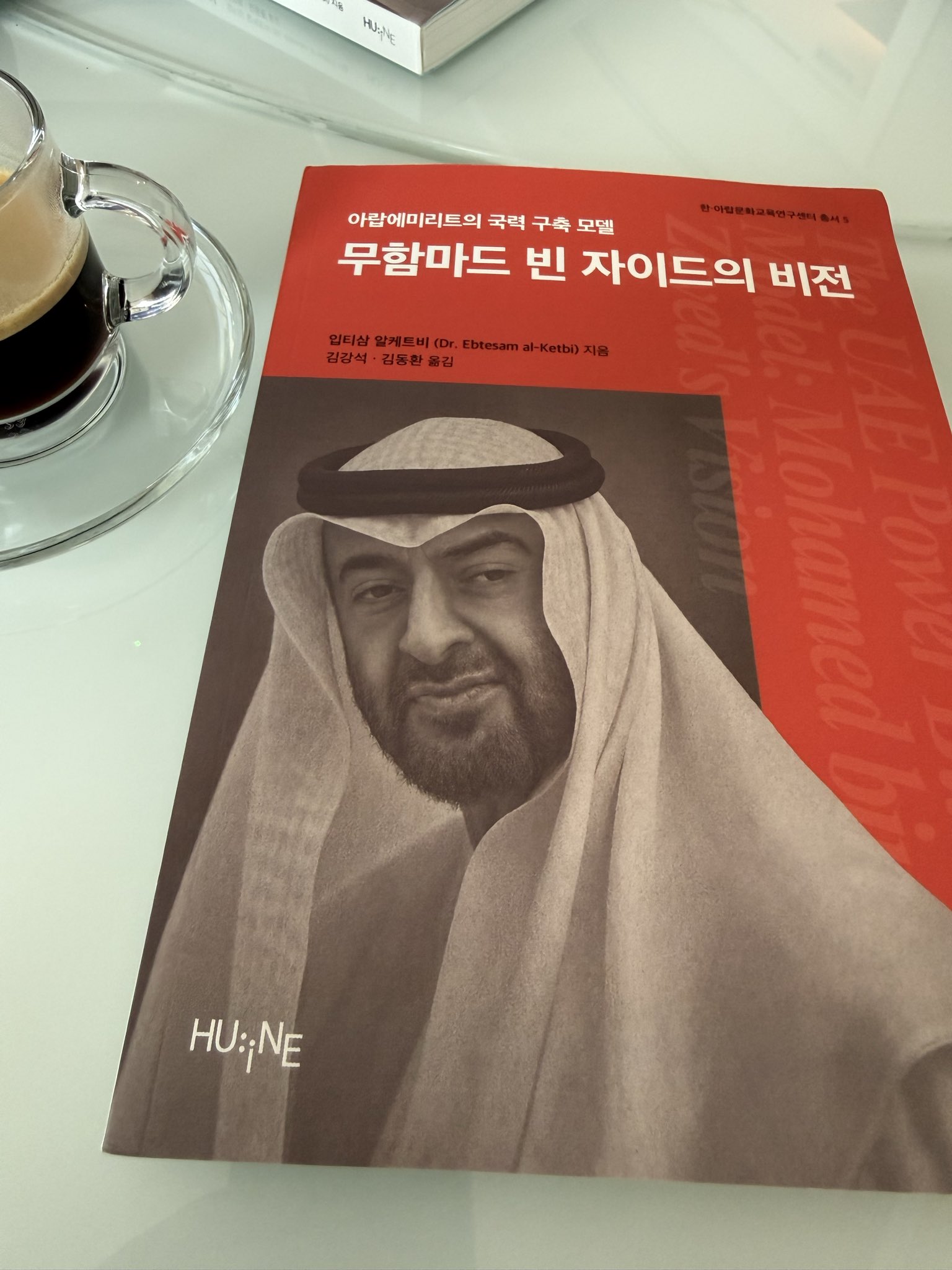
فخور برؤية الترجمة الكورية لكتاب "نموذج دولة الإمارات في بناء القوة: رؤية محمد بن زايد" للدكتورة @ekitbi
كل الاحترام والتقدير للدكتور كيم كانغ-سوك ود. كيم دونغ-هوان من قسم دراسات اللغة العربية في @hufsgsias لمحاولة تقديم نموذج #الامارات للقارئ الكوري
EPC retweeted

لطالما كان الساحل الشمالي الإيراني للخليج العربي مساحةً للتواصل والازدهار بين شعوبه من العرب واللور والفرس والبلوش، وارتبطت فرص العيش الكريم فيه بازدهار دول الخليج العربية. لكن النظام الإيراني حوّله إلى منصة لعدوانه على جيرانه، بعدما كان جسراً للتقارب والتنمية. ويأتي بيان وزارة الخارجية ليؤكد أن الإمارات تحتضن جالية إيرانية تحظى بالاحترام والتقدير، في نموذج يقوم على التسامح وسيادة القانون.
وهنا يتجلى الفارق: بين عقلٍ يبني الحياة… وآخر لا يرى إلا في الهدم طريقًا.
EPC retweeted
الاستراتيجية الإيرانية التي تعكس عدم قدرتها على مواجهة الضربات الأمريكية والإسرائيلية عبر استهداف دول الخليج العربي تكشف عجزًا عسكريًا وإفلاسًا أخلاقيًا وعزلةً سياسية. لن تغطي هذه الحقيقة التصريحات الإعلامية المضللة. العودة إلى الرشد تبدأ بوقف استهداف الجيران وتفعيل وساطاتهم.
وفي الإمارات نثبت كل يوم أن صلابتنا أقوى من حقد المعتدي.
EPC retweeted

For the UAE, strategic autonomy is a long-term policy choice rooted in pragmatism, diversification and multilateral engagement.
Opinion | Dr Ebtesam Al Ketbi ,via @TheNationalNews

For the UAE, strategic autonomy is a long-term policy choice rooted in pragmatism, diversification and multilateral engagement.
Opinion | Dr Ebtesam Al Ketbi @ekitbi via @TheNationalNews thenationalnews.com/opinion/…

EPC retweeted
ضبط النفس ليس ضعفاً
في بيئة إقليمية تتسم بالتوتر المزمن، وسرعة الانزلاق من الخلاف السياسي إلى الصدام المفتوح، يظل مفهوم القوة أحد أكثر المفاهيم إساءةً للفهم.
الكثير يربطها بالصوت العالي، وبالرد الفوري، وبالتصعيد المتدرّج مهما كانت الكلفة. غير أن التجربة العملية، لا الخطاب، هي التي تكشف حقيقة القوة. ومن هذا المنطلق، تمثل مقاربة دولة الإمارات لضبط النفس وعدم التصعيد نموذجاً مختلفاً، يبرهن أن التهدئة الواعية ليست انهزاماً، بل تعبيراً عن قوة ناضجة وواثقة.
الفكرة الجوهرية هنا أن الدولة القوية ليست تلك التي تُستدرج بسهولة إلى ردود الفعل، بل تلك التي تمتلك القدرة على التحكم في إيقاعها السياسي والعسكري. التصعيد، حين يصبح تلقائياً، يفقد معناه الردعي ويتحول إلى مسار استنزافي، يفرض على الدولة أن تواصل المواجهة فقط كي لا تُتهم بالضعف. أما ضبط النفس، حين يكون قراراً سيادياً محسوباً، فهو في جوهره فعل سيطرة على الذات وعلى البيئة المحيطة.
في هذا السياق، برز سلوك الامارات بوصفه سلوك دولة تعرف متى تستخدم القوة ومتى تمتنع عنها. فالإمارات لم تبنِ مكانتها الإقليمية على خطاب التهديد، ولا على سياسة حافة الهاوية، بل على مزيج دقيق من الحزم والمرونة. وقد أثبتت، في أكثر من محطة، أنها تملك أدوات الردع والقدرة على الفعل، لكنها في الوقت نفسه لا ترى في التصعيد غاية بحد ذاته، بل وسيلة تُستخدم فقط حين تخدم هدفًا واضحًا وقابلًا للتحقق.
عدم التصعيد الإماراتي لا يعني انسحاباً من المشهد، بل على العكس، يعكس حضوراً من نوع آخر. حضور يقوم على إدارة المخاطر بدل مضاعفتها، وعلى تقليل كلفة الصراع بدل الاستثمار فيه. فالدولة التي تضبط النفس في لحظة استفزاز لا تفعل ذلك لأنها عاجزة عن الرد، بل لأنها تدرك أن الرد في تلك اللحظة قد يمنح خصومها ما يريدون: توسيع الصراع، أو خلط الأوراق، أو نقل المواجهة إلى ساحات أقل قابلية للضبط.
كما أن هذا النهج يعكس فهماً متقدماً لطبيعة النفوذ في النظام الدولي المعاصر. النفوذ لم يعد حكراً على القوة العسكرية الصلبة، بل بات يُصنع عبر الاقتصاد، والدبلوماسية، والاستقرار الداخلي، والقدرة على لعب دور “الفاعل العاقل” في بيئة مضطربة. من هنا، فإن ضبط النفس يصبح أداة لتعزيز المصداقية الدولية، وليس للتفريط بها.
والأهم أن التجربة الإماراتية تفكك معادلة خاطئة طالما سيطرت على الوعي السياسي العربي: أن الصلابة تعني التشدد الدائم، وأن التراجع التكتيكي هزيمة. الواقع أن الدول الواثقة لا تخشى إعادة التموضع، ولا ترى في التهدئة مساساً بالهيبة. الهيبة الحقيقية تُبنى حين تدرك الأطراف الأخرى أنك تختار عدم التصعيد، لا أنك تُجبر عليه.
في المحصلة، يُظهر النموذج الإماراتي أن القوة ليست في الذهاب إلى أقصى مدى في كل مواجهة، بل في معرفة متى يكون التوقف أكثر فاعلية من الاستمرار. ضبط النفس هنا ليس فضيلة أخلاقية مجردة، بل خيار استراتيجي واعٍ، يعبّر عن دولة تدير قوتها بعقل بارد، وتحمي مصالحها بعيدًا عن منطق الانفعال. وفي إقليم يعاني من فائض الصراخ ونقص الحكمة، قد يكون هذا النوع من القوة هو الأكثر ندرة… والأكثر تأثيرًا.
EPC retweeted
Strategic Restraint Is Not Weakness
In a regional environment marked by chronic tension and a rapid slide from political disagreement into open confrontation, the concept of power remains one of the most misunderstood. It is often equated with loud rhetoric, immediate retaliation, and escalation at any cost. Yet it is practice—not discourse—that ultimately reveals the true nature of power. From this perspective, the UAE’s approach of restraint and de-escalation offers a distinct model, demonstrating that deliberate calm is not defeat, but an expression of mature and self-assured strength.
The central idea is simple: a strong state is not one that is easily drawn into reactive behavior, but one that can control the political and military tempo of its actions. Escalation, when it becomes automatic, loses its deterrent value and turns into a path of attrition, forcing a state to persist in confrontation merely to avoid accusations of weakness. Restraint, by contrast, when adopted as a calculated sovereign decision, is fundamentally an act of self-command—over both the state itself and its surrounding environment.
In this context, the conduct of the UAE has stood out as that of a state that knows precisely when to use force and when to refrain from it. The UAE has not built its regional standing on threats or brinkmanship, but on a careful balance of firmness and flexibility. On more than one occasion, it has demonstrated that it possesses credible deterrent capabilities and the capacity to act; yet it does not treat escalation as an end in itself, but as a tool to be employed only when it serves a clear and attainable objective.
Emirati restraint should not be mistaken for withdrawal from the scene. On the contrary, it reflects a different kind of presence—one focused on managing risks rather than multiplying them, and on reducing the costs of conflict rather than investing in them. A state that exercises restraint in moments of provocation does so not because it lacks the ability to respond, but because it understands that responding at that moment may grant its opponents exactly what they seek: widening the conflict, blurring the strategic picture, or shifting confrontation to arenas that are harder to control.
This approach also reflects a sophisticated understanding of power in the contemporary international system. Influence is no longer the exclusive domain of hard military force; it is increasingly shaped through economic weight, diplomacy, internal stability, and the ability to act as a rational, responsible actor in a volatile environment. In this sense, restraint becomes a means of strengthening international credibility rather than diminishing it.
Most importantly, the Emirati experience dismantles a deeply rooted but flawed assumption in much of Arab political thinking: that firmness requires constant rigidity, and that tactical recalibration amounts to defeat. In reality, confident states do not fear repositioning, nor do they see de-escalation as a loss of prestige. True prestige is built when others recognize that you are choosing not to escalate—not because you are compelled to refrain, but because you can afford to do so.
In sum, the Emirati model shows that strength does not lie in pushing every confrontation to its limits, but in knowing when restraint is more effective than persistence. Here, restraint is not an abstract moral virtue, but a conscious strategic choice—one that reflects a state managing its power with a cool head and safeguarding its interests beyond the logic of impulse. In a region burdened by excess noise and a shortage of wisdom, this form of strength may well be the rarest—and the most consequential.
EPC retweeted
This article “will the Iraqi militias truly disarm? By Fahil Abdulbasit Abdulkareem middleeastmonitor.com/202512… is plagiarized word for word from our website “Has the Process of Dismantling Armed Factions in Iraq Began? epc.ae/en/details/brief/has-…
EPC retweeted
Glad that my study on UAE as a middle power got published in “How are Middle Powers shaping the world?” belfercenter.org/programs/mi…
By Harvard’s Belfer Center for Science and International Affairs at Harvard Kennedy School. Middle Powers research spans 13 countries, covering security, energy, technology, and other topics central to a changing world amid great power competition.
Many thank to Meghan L. O'Sullivan, Rana Mitter and Moeed W. Yusuf.

EPC retweeted

We attended the 12th edition of the Abu Dhabi Strategic Debate organised by the @EmiratesPolicy
This year’s conference explored emerging trends in the global #strategic landscape and examined future trajectories of great power competition & influence-building. #StrongerTogether

EPC retweeted

Ambassador @BergerLucie represented the 🇪🇺 at the Abu Dhabi Strategic Debate, outlining the EU’s vision in a complex global landscape: from strengthening defence & supporting a lasting & sustainable peace in Ukraine, to advancing our partnerships with key partners such as the UAE


