









Pinned Tweet
China puts scientist portraits on giant city billboards instead of celebrities to inspire young minds nationwide


2
984
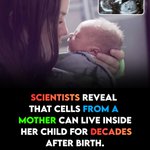
Your mother's cells may remain inside your body for decades, creating a remarkable biological connection that science continues exploring.

2
510
Mexico is glowing brighter than almost any country on Earth! ✨ With 346 known firefly species, it ranks second worldwide, behind only Brazil. Researchers at UNAM recently added 39 new species from Oaxaca, Chiapas and Guerrero.

2
569
An 86 year old farmer just walked away from more than 15 million dollars. 📷 Mervin Raudabaugh of Pennsylvania was offered that money by a data center developer for his 261 acres. He said no.

1
522

Turkey vultures have stomach acid so strong it destroys anthrax rabies and other deadly pathogens instantly


3
848

This farmer turned 70 acres of barley into a wetland sheltering endangered fish and rare birds.


1
2
734

The United Nations just approved a new world map showing every continent's true real size
🤖 Made with AI

1
681

New Google search data reportedly shows that Yellowstone National Park is the most searched national park in thirty three US states. According to search trend reports covering January through July 2026, Yellowstone reportedly ranks first even in its home states of Wyoming, Montana and Idaho. However, visitation data reportedly tells a different story. Great Smoky Mountains National Park is said to be the most visited park, reportedly drawing more than eleven million visitors last year.
Reports also indicate Yosemite remains the top searched park in California, while Big Bend reportedly holds that title in Texas. Analysts say search interest and actual visitor numbers do not always align. Which national park are you reportedly most curious about? 🏞️🌲
📌 SOURCE: GOOGLE TRENDS

2
649
Scientists just taught bacteria how to eat cancer from the inside out. 🧫 Researchers at the University of Waterloo engineered a bacterium called Clostridium sporogenes to survive only inside the oxygen free core of solid tumors. Once inside it multiplies and begins breaking down the dead tissue that fuels the tumor. The team led by Dr Brian Ingalls, Dr Sara Sadr and Dr Marc Aucoin built a genetic switch using synthetic biology so the bacteria only activate once enough of them gather inside the tumor. 🔬
Sources: University of Waterloo, ACS Synthetic Biology, EurekAlert

California now guarantees every public school student two free daily meals regardless of family income today


2
698
Your phone may be hurting more than your eyes. 📱 Experts have linked smartphone use with awkward postures and musculoskeletal pain. A study of 2,000 university students found 44.05 percent reported musculoskeletal pain. Lower back pain affected 16.7 percent, while elbow pain affected 16.6 percent. Researchers from Chulalongkorn University and the University of Sydney found increased muscle activity during smartphone use.
The issue may be how you use your phone, not owning one. Hunching forward, bending your neck, or keeping your elbow fixed can increase strain. 😣 Regular breaks and posture may help. Your scrolling habit could be affecting your body. ⚠️
Sources: PubMed, Chulalongkorn University, University of Sydney.

2
619
Good News We are bringing back chargers and wired headphones with every iPhone purchase.” = - John Ternus, new Apple CEO.


3
686


Data centers drink billions of gallons while forests and bee habitats vanish quietly around us all.


2
608
Doctors in France just unveiled a heart that could keep beating for years without ever needing a donor 😳❤️. The device is called the Aeson Total Artificial Heart, built by the French company Carmat. It uses biological materials and smart sensors that automatically adjust blood flow when a person walks, rests, or feels stressed, closely copying how a real heart behaves. Thousands of people die every year while waiting for a transplant, so this technology could change that reality completely 🙏.
Doctors at Georges Pompidou Hospital in Paris say the heart can extend life by several years, though scientists admit no device today can truly beat forever ⚙️. For families watching a loved one wait helplessly for a donor, even a few extra years feel like a miracle. Could the future mean nobody has to wait for a heart again 💭
Sources: Carmat, CNN Business, Georges Pompidou European Hospital, AFP

