






FinRyse retweeted

The equity risk premium (ERP) is an essential ingredient in hurdle rates in corporate finance, discount rates in valuation and expected returns in financial planning. In 2009, I pulled together everything I know about the ERP, in a paper that I have updated every year since. My 2026 update is now available to download and it is written for practitioners. papers.ssrn.com/sol3/papers.…
FinRyse retweeted

The software sector is facing a massive debt wall:
~$40 billion in software and services debt matures in 2028, the largest single-year concentration.
The vast majority of this is rated B- or lower, deep in junk territory, with no investment-grade debt in the mix.
In total, ~$100 billion in software debt matures from 2026 to 2029, with an additional ~$70 billion beyond 2030.
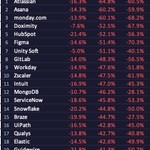
Meanwhile, AI disruption is increasing credit risk for software borrowers, the exact companies that private credit funds have been lending to most aggressively.
Software is also the largest sector in the leveraged loan market, representing 12% of the total.
Refinancing this debt at higher rates with deteriorating fundamentals will be a growing problem for the sector.
The software sector has a tough road ahead.
