

Hello, this is Wikizilla's Twitter page.
United States
Joined July 2013
- Tweets2.2K
- Following142
- Followers20.4K
- Likes601




In 「Ghidorah, the Three-Headed Monster」 (1964), King Ghidorah famously arrives on Earth inside a meteorite, and materializes in the sky after the meteor splits open and releases it. In 「Godzilla vs. Gigan」 (1972), Ghidorah again emerges from a meteor while traveling to Earth.
With 「Godzilla Minus Zero」 releasing today in Japan and in select theaters around the world and 「Godzilla: Destroy All Monsters Melee Remastered」 coming to consoles, Wikizilla wishes you a very Happy Godzilla Day as we celebrate the 72nd anniversary of the King of Monsters.


Toho requested that director Takao Okawara include Minilla in 「Godzilla vs. Mechagodzilla II」 (1993), but he opted to introduce a new monster instead. Shinji Nishikawa designed Baby Godzilla with the philosophy that it resembled an infant Godzillasaurus rather than Godzilla.


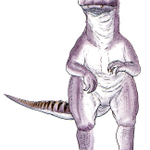
Gorosaurus was modeled by Nobuyuki Yasumaru, who would go on to succeed Teizo Toshimitsu as Toho's chief modeler. A balloon was placed inside the suit to create throat movements. The mechanism to open its mouth made the head so heavy that it needed to be attached to piano wire.


Wikizilla retweeted

Godzilla: Destroy All Monsters Melee turns 24 today! Come celebrate with an old friend. 💚
Play the Remastered demo, out now on Steam! 💥
link.atari.com/Godzilla-Demo


Wikizilla retweeted

Fight fire with fire. 🔥 #GodzillaMinusZero
Godzilla Day IMAX Early Access on November 3. In theatres November 6.
Tickets on sale now.
godzillaminuszero.com

Wikizilla retweeted
Tickets are on sale now for #GodzillaMinusZero, what are you waiting for?!
godzillaminuszero.com
Wikizilla retweeted
GODZILLA MINUS ZERO, the first-ever Japanese production #FilmedForIMAX.
Godzilla Day @IMAX Early Access on November 3. In theatres November 6.
Tickets on sale now. #GodzillaMinusZero
godzillaminuszero.com

