

Turning AI into attention • Cinematic visuals • Viral prompts • DM for paid promos & collabs
Joined January 2024
- Tweets206K
- Following479
- Followers12K
- Likes181K


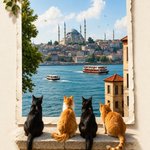


GPT Image 2.5
Prompt:
UNIVERSAL PROMPT - CARTOON CHARACTER × BRAND LOGO PARODY POSTER
Create a humorous, high-quality cartoon illustration poster featuring [BRAND NAME / LOGO] reimagined as a playful visual parody. Transform the brand’s recognizable logo, symbol, product, or typography into a creative physical environment where [CARTOON CHARACTER(S)] interact with it in a funny, exaggerated, story-driven way.
CONCEPT & STORYTELLING: Build an imaginative scene around the brand’s identity, using clever visual metaphors, slapstick comedy, exaggerated actions, dynamic poses, and expressive cartoon reactions. The brand logo must become an integral part of the scene rather than simply appearing as a label. For example, characters can ride, climb, chase, stretch, repair, bounce off, or play around with a giant three-dimensional interpretation of the logo or product.
ART STYLE: Premium hand-drawn comic illustration, expressive cartoon anatomy, bold clean outlines, energetic motion lines, exaggerated facial expressions, playful sound effects, vibrant colors, polished cel shading, and detailed ink work. Use the visual language of classic animated slapstick cartoons combined with contemporary commercial illustration.
COMPOSITION: One standalone poster in a vertical 3:4 aspect ratio. Place the main visual concept prominently in the center, with the brand name or recognizable logo clearly visible near the bottom. Maintain a clean white or subtly off-white background, balanced negative space, and a professional poster layout. Include small supporting details only when they strengthen the joke or story.
BRAND INTEGRATION: Preserve the brand’s recognizable name, signature colors, and essential logo structure wherever appropriate, creatively adapting the design into the illustrated scene. Make the visual pun immediately understandable and memorable.
FINISHING DETAILS: Crisp high-resolution illustration, clean edges, professional commercial artwork, consistent character proportions, readable typography, rich but controlled colors, and a cohesive composition. Add the small footer text “For Fun Purpose Only” at the bottom.
CUSTOMIZATION VARIABLES:
- Brand: [BRAND NAME]
- Logo or product: [LOGO / PRODUCT]
- Characters: [CHARACTER NAMES]
- Visual joke: [FUNNY CONCEPT]
- Brand colors: [COLORS]
IMPORTANT: Every poster must feature a new, original visual gag tailored to the selected brand. Avoid generic logo placement, random characters, cluttered backgrounds, and unrelated decorative elements. Prioritize clever storytelling, immediate visual recognition, and humorous interaction between the characters and the brand.
🤖 Made with AI


GPT Image 2.5
Prompt:
Transform the uploaded photograph into a sophisticated, premium editorial collage poster. Use the original image as the sole source of the subject, preserving its identity, distinctive features, natural colors, and recognizable details. Create one standalone artwork in a vertical 3:4 aspect ratio, divided into two precisely equal horizontal sections, each occupying 50% of the canvas.
COMPOSITION: The upper section retains the original photograph's realistic appearance, while the lower section transforms selected elements into a dimensional photographic paper collage. Connect both sections seamlessly through carefully arranged photographic slices, layered prints, and natural transitions.
PAPER COLLAGE DETAILS: Incorporate realistic paper cutouts, overlapping photographic layers, subtle paper thickness, tactile textures, and delicate cast shadows. Add cream-yellow handwritten sticky notes, small pushpins, tasteful stickers, and translucent washi tape, arranged naturally with refined artistic balance.
TYPOGRAPHY & SUBJECT ADAPTATION: Intelligently recognize the photograph's subject and generate short, relevant English phrases or handwritten annotations. Adapt the visual treatment to portraits, pets, flowers, landscapes, architecture, or any other subject while preserving the original image's defining characteristics.
ART DIRECTION: Use generous negative space, elegant minimalist magazine typography, precise composition, subtle asymmetry, and a harmonious palette that complements the original photograph. Maintain a handcrafted, three-dimensional appearance without excessive decoration or visual clutter.
FINAL QUALITY: Deliver a polished, photorealistic, gallery-quality editorial poster with crisp details, authentic paper textures, realistic shadows, and a cohesive upper-and-lower composition. No unrelated imagery, distorted subjects, duplicated elements, illegible text, watermarks, logos, or unnecessary borders. The final result should feel like a professionally designed, collectible photographic collage print.
🤖 Made with AI


GPT Image 2.5
Prompt:
Upload a photograph and transform it into a single, standalone poster. Do not create a collage or combine multiple images. Use a vertical 3:4 aspect ratio, divided into two strictly equal horizontal sections, each occupying exactly 50% of the canvas. Together, the two sections must form one continuous scene: the upper half remains a realistic photograph, while the lower half becomes a “second world” that appears to grow naturally from within the original image.
UPPER HALF — FAITHFUL PHOTOGRAPHIC PRESERVATION
Faithfully preserve the original photograph’s subject identity, primary subjects, clothing, accessories, objects, environment, composition, poses, proportions, spatial relationships, perspective, materials, depth of field, natural lighting, shadows, and overall color atmosphere.
Do not redraw, replace, rearrange, or reinterpret the original elements. Only subtle cropping, background extension, and extremely light color grading are permitted to accommodate the canvas. Never stretch, distort, or alter the subject’s original movements or poses.
CONTINUITY BETWEEN THE TWO HALVES — HIGHEST PRIORITY
For each photograph, identify a natural structural element that reaches the horizontal midpoint, such as a road, body of water, tree branch, beam of light, architectural feature, or bodily gesture.
This element must align precisely at the dividing line and continue seamlessly into the lower half. The same scene should appear to cross the boundary and gradually transform, as though its physical rules change beyond the midpoint.
CENTRAL DIVIDE — NATURAL TORN-PAPER EDGE
An irregular torn-paper edge may be introduced along the center, following the source structure and the natural flow of the composition. It must never look decorative or follow a fixed template.
The torn edge must remain completely flat against the canvas, with no cast shadows, curled edges, lifted corners, or three-dimensional thickness. Original elements may touch, cross, or break through the torn boundary to create a natural, integrated transition.
LOWER HALF — THE SECOND WORLD
Use warm ivory paper with subtle visible fibers, a tactile surface, and generous negative space as the foundation.
Continue developing the scene downward from the point where the original structure meets the dividing line. Preserve the original photograph’s visual focal point, subject silhouettes, poses, perspective, inherent colors, lighting, emotional atmosphere, and narrative.
Build upon these preserved elements using restrained photographic fragments, carefully composed paper-cut shapes, and a minimal number of black hand-drawn lines. The transformation should feel like a natural extension of the original photograph rather than an unrelated illustration.
The final result should be a sophisticated, premium editorial poster in which realistic photography transitions organically into a tactile, surreal paper-cut world, maintaining visual coherence, precise spatial continuity, elegant restraint, and a strong sense of depth.
🤖 Made with AI


GPT Image 2.5
Prompt:
UNIVERSAL PROMPT - PREMIUM MINIMALIST LAYERED PAPER-CUT EDITORIAL POSTER | 3:4
Use the uploaded photograph as the sole source of the subject. Create a premium editorial poster, with each photograph processed and exported individually. Do not combine multiple images into a collage.
COMPOSITION & LAYOUT: Use a 3:4 vertical aspect ratio. Divide the canvas into two equal horizontal sections, each occupying exactly 50% of the total height. Position the dividing line precisely at the vertical midpoint. The two sections must meet seamlessly, with no borders, gaps, or spacing between them.
PHOTO PRESERVATION: Preserve the original subject's identity, pose, architectural structures, natural lighting, realistic textures, and overall color atmosphere. Apply only subtle, art-directed color grading worthy of a high-end editorial magazine. If necessary, naturally extend the environmental background to fit the horizontal composition. Never stretch the subject, alter its proportions, or crop out important narrative elements.
LAYERED PAPER-CUT REINTERPRETATION: Extract the photograph's most recognizable subject, silhouette, pose, and narrative relationships, then reinterpret them as minimalist, handcrafted layered paper-cut art and sculptural paper relief. Establish one central focal subject, simplifying the surrounding environment into distinct foreground, midground, and background paper layers.
PAPERCRAFT & DEPTH: Create visual depth through precise cutting, folding, overlapping, masking, positive and negative space, and intentional use of whitespace. Preserve the subject's recognizability without mechanically reproducing every original detail. The result should feel artistically constructed by hand, with sophisticated dimensionality and a refined minimalist aesthetic.
COLOR PALETTE & MATERIALS: Extract a limited, harmonious color palette from the original photograph. Use warm ivory paper as the base, complemented by the dominant colors of the scene, deeper structural tones, and a restrained accent color. Render matte cardstock, delicate paper fibers, crisp cut edges, convincing physical thickness, and soft contact shadows under natural diffused lighting. The final artwork should feel tactile, realistic, and exquisitely crafted.
TYPOGRAPHY & EDITORIAL DETAILS: Add typography exclusively within the lower half of the poster. Derive a short, compelling English headline from the photograph's subject or narrative. Complement it with 2–4 small supporting text elements, such as a serial number, material descriptors, category labels, or an extremely brief poetic phrase. Maintain elegant typography, deliberate spacing, and a sophisticated luxury-editorial hierarchy.
Do not add years, invented locations, fictional coordinates, or unsupported factual details.
FINAL RESULT: A premium 3:4 vertical editorial poster combining the recognizable essence of the original photograph with minimalist, handcrafted layered paper-cut artistry, tactile materials, precise composition, and restrained luxury-magazine typography. Ensure the upper and lower sections remain exactly equal in height, with the central division aligned precisely at 50% of the canvas.
🤖 Made with AI


GPT Image 2.5
Prompt:
UNIVERSAL PROMPT - PREMIUM MINIMALIST EDITORIAL COLLAGE | 3:4
Upload your photo to ChatGPT, then copy and paste the prompt below.
Transform the uploaded photograph into a premium minimalist editorial collage on a warm ivory paper background, in a 3:4 vertical aspect ratio.
PHOTO PRESERVATION: Keep the original photograph and its subject completely unchanged. Preserve the subject’s identity, facial features, pose, clothing, colors, textures, lighting, and natural details. Do not redraw, retouch, distort, or alter the original image.
3D POP-OUT EFFECT: Create a sophisticated, realistic three-dimensional composition in which the subject and relevant natural elements appear to extend beyond the bottom edge of the original photo frame, breaking the boundaries of the image. Make the transition seamless and physically convincing, with precise depth, natural perspective, and soft, realistic cast shadows.
BACKGROUND & AESTHETICS: Use a warm ivory, subtly textured paper background with generous negative space. Maintain a clean, understated, luxury-magazine aesthetic with refined art direction, elegant composition, and a premium editorial finish.
LIGHTING & DEPTH: Incorporate soft, directional studio lighting, delicate shadows, realistic dimensional layering, and subtle tonal contrast to enhance the paper texture and three-dimensional effect without overwhelming the original photograph.
FINAL OUTPUT: A visually striking, photorealistic editorial collage that feels minimal, sophisticated, and art-directed for a high-end design magazine. Preserve the original photograph wherever it appears, and ensure the pop-out elements blend seamlessly into the overall composition.
Aspect ratio: 3:4 vertical.
🤖 Made with AI


GPT Image 2.5
Prompt:
UNIVERSAL PROMPT - PREMIUM FOOD × TYPOGRAPHY EDITORIAL POSTER | 9:16
Create a premium, photorealistic food editorial poster featuring [FOOD / DISH NAME], combining luxury commercial food photography with oversized, elegant editorial typography.
FOOD PRESENTATION: Showcase the dish as the hero subject, emphasizing its authentic ingredients, signature textures, natural colors, preparation details, and irresistible visual appeal. Style it with refined plating, realistic proportions, appetizing highlights, and meticulous attention to culinary authenticity.
TYPOGRAPHY & COMPOSITION: Feature [DISH NAME] in enormous, sophisticated, high-contrast serif typography inspired by Bodoni or Didone typefaces. Use a carefully selected color that complements the food and background. Integrate the dish with the headline, allowing it to overlap selected letterforms naturally, moving between foreground and background to create convincing three-dimensional depth. Maintain clear readability and strong visual hierarchy.
INGREDIENT DETAILS: Incorporate authentic ingredients associated with the dish through subtle visual elements, carefully placed garnishes, or refined editorial annotations. Include a concise ingredient line: [KEY INGREDIENTS]. Add a delicate culinary interaction where appropriate, such as a spoon lifting a bite, a fork cutting through the dish, a sauce drizzle, or fine ingredient particles falling through the composition.
COLOR PALETTE: Use a cohesive palette inspired by the dish, combining a sophisticated background tone, rich food-inspired colors, subtle highlights, and restrained metallic accents where appropriate. Maintain tonal harmony, luxurious contrast, and a premium editorial finish.
EDITORIAL DETAILS: Include an elegant italic subtitle, [SUBTITLE / CULINARY TAGLINE], alongside small, purposeful labels such as “CRAFTED WITH CARE,” “[COUNTRY / REGION OF ORIGIN],” and “[DISH CATEGORY].” Adapt all wording to the subject. Keep supporting text minimal, meaningful, correctly spelled, and professionally aligned.
LIGHTING & TEXTURE: Use refined studio lighting, realistic shadows, natural reflections, subtle depth of field, and hyperrealistic surface details. Capture the authentic textures of every ingredient, from delicate crumbs and creamy layers to glossy sauces, crisp edges, or fresh garnishes, as appropriate to the dish.
ART DIRECTION: Luxury culinary magazine meets premium restaurant advertising. Sophisticated, contemporary, visually striking, meticulously art-directed, and commercially polished. Balance oversized typography, realistic food photography, and generous negative space without overcrowding the composition.
OUTPUT REQUIREMENTS: Vertical 9:16 aspect ratio, ultra-detailed, high-resolution, print-quality aesthetic, photorealistic food styling, refined typography, physically believable depth, and a clean, cohesive layout.
AVOID: Watermarks, random logos, gibberish text, misspellings, excessive decorative elements, artificial food textures, unrealistic proportions, impossible object placement, distorted typography, cartoonish rendering, and cluttered composition.
🤖 Made with AI


GPT Image 2.5
Prompt:
UNIVERSAL PROMPT - RETRO POP ART COMIC COLLAGE PORTRAIT | 3:4
Using the uploaded photograph as the primary reference, transform the subject into a striking vintage pop-art comic book collage poster.
COMPOSITION: Create an intricate arrangement of multiple rectangular comic panels featuring different close-up crops of the same subject’s face, eyes, eyebrows, hair, ears, nose, lips, and facial details. Use varied panel sizes and orientations, separated by thick, bold black borders. Include a few small graphic panels with hand-drawn symbols, such as crossed-out eyes or a simple heart, for an authentic editorial collage aesthetic.
ART STYLE: Classic retro comic-book illustration, 1960s pop art, Japanese manga-inspired ink drawing, bold black linework, high-contrast shadows, fine halftone dots, vintage screen-print textures, subtle distressed paper grain, and hand-inked detailing.
COLOR PALETTE: Vivid scarlet red background, warm cream and pale beige skin tones, deep solid black ink, and minimal off-white highlights. Maintain a limited three-color print aesthetic with strong contrast.
REFERENCE ACCURACY: Preserve the subject’s recognizable facial features, hairstyle, facial hair, skin tone, and overall identity from the uploaded photograph. Every panel must depict the same person, with consistent facial characteristics. Use dramatic close-up crops and varied framing while keeping the portrait visually coherent.
LAYOUT & FINISH: Fill the canvas with an asymmetrical, tightly packed comic-panel grid. Use clean, thick black dividers, sharp graphic composition, authentic vintage print imperfections, and a bold underground-comic editorial mood. No photorealistic rendering; the entire portrait must look hand-drawn and printed.
OUTPUT: High-resolution, 3:4 vertical portrait poster, edge-to-edge composition, crisp ink details, professional graphic design, visually striking retro pop-art aesthetic. No watermark, no additional text, no logos.
🤖 Made with AI


GPT Image 2.5
Prompt:
UNIVERSAL PROMPT JAPANESE COMIC POSTER | 3:4
Create a 3:4 vertical comparison image divided into two equal horizontal halves, seamlessly joined without borders or gaps.
TOP HALF: Display the uploaded photograph exactly as it is, without editing, recoloring, or adding text. Preserve proportions; crop only peripheral background if necessary.
BOTTOM HALF: Redraw the same subject as a Japanese hand-drawn comic poster with minimalist, limited-color screen-print aesthetics. Preserve the subject's recognizable features, pose, proportions, colors, and relationships between objects. Adapt naturally to people, animals, objects, or landscapes. Keep the essential scenery and add nothing absent from the original photograph.
ART STYLE: Delicate, slightly irregular ink-black outlines (#02030B), simplified shapes, clean opaque color blocks, and minimal hard-edged shadows. Use warm red (#E9444B), muted gray-blue (#5296BD), and off-white paper (#ECEDE5), with red dominant over blue. Avoid photorealistic textures, dense hatching, 3D effects, and excessive details.
LAYOUT & TEXT: Position the illustration in the upper-middle of the bottom half, with generous negative space and bold, hand-carved typography below. Add a small handwritten, subject-related caption at the top and a short handwritten annotation beside the subject, both in black. The main headline reads “Jen” in warm red on the first line and “Style” in gray-blue on the second. Each appears once. Keep all text within the bottom half, fully legible and uncropped. Replace sample text only when the user provides alternatives.
FINAL RESULT: One complete 3:4 image, with the untouched original photograph above and its Japanese hand-drawn, limited-color poster interpretation below. No extra borders, watermarks, invented elements, or decorative clutter.
🤖 Made with AI


GPT Image 2.5
Prompt:
Using ChatGPT’s creative capabilities and the provided reference image, create a high-resolution, exquisitely detailed commercial product photograph blended with a warm, sunlit lifestyle photography aesthetic.
SUBJECT / THEME: [PRODUCT OR COLLECTION THEME]
Create a beautifully arranged display of miniature collectibles, die-cast models, and matching accessories inspired by the selected theme. Adapt the colors, products, branding, and surrounding props to match the subject while maintaining a cohesive, premium collectible-display aesthetic.
SCENE & COMPOSITION:
Use a high-angle, top-down perspective combined with macro photography. The scene takes place on a clean, bright white tabletop, illuminated by warm sunlight streaming diagonally across the surface, creating soft shadows, natural highlights, and a cozy, nostalgic atmosphere.
Arrange the main collectible models and accessories in a carefully layered composition:
- Back row: Place two prominent collectible models on top of beautifully designed display boxes or premium packaging, showcasing their distinctive shapes, colors, and intricate details.
- Front row: Arrange additional miniature models in different angles and configurations, highlighting their craftsmanship, accessories, and realistic construction.
- Surrounding details: Scatter small, theme-related accessories naturally across the foreground, including miniature containers, bottles, packaging, decorative objects, or other relevant collectibles.
- Background accents: Place a few playful, complementary props in the upper-right background, slightly out of focus to create depth and a natural photographic composition.
MATERIALS & REALISM:
Emphasize exceptionally realistic materials, glossy painted surfaces, finely rendered metal, transparent glass or plastic, detailed packaging, and authentic miniature craftsmanship. Capture the way warm sunlight reflects off polished surfaces, producing delicate highlights, subtle lens glow, and rich, natural tonal variations.
PHOTOGRAPHIC STYLE:
Premium commercial product photography, photorealistic macro detail, warm vintage-inspired lifestyle aesthetics, soft natural sunlight, realistic shadows, shallow depth of field, carefully balanced composition, crisp textures, and professional editorial quality. The final image should feel like a real photograph of a thoughtfully curated collectible collection rather than a digital render.
SIGNATURE & FORMAT:
Add a tasteful, luminous golden signature watermark reading “[SIGNATURE OR BRAND NAME] ✻” in the bottom-right corner, accompanied by a delicate four-point starburst motif.
ASPECT RATIO: 10:16 vertical portrait.
QUALITY: High resolution, exceptionally detailed, photorealistic, premium commercial finish.
Use the provided reference image to guide the composition and visual arrangement. Adapt the entire scene to the selected theme while preserving the same warm lighting, miniature-display aesthetic, realistic materials, and sophisticated photographic quality.
🤖 Made with AI


GPT Image 2.5
Prompt:
ASPECT RATIO: 4:5 VERTICAL PORTRAIT. Create an ultra-detailed, photorealistic miniature diorama of an entire city contained inside a luxurious antique study. Show a complete, intricately constructed miniature metropolis with recognizable landmarks, skyscrapers, roads, bridges, tiny vehicles, parks, and pedestrians, surrounded by towering dark wooden bookshelves, antique globes, brass telescopes, framed historical maps, ornate Persian rugs, carved furniture, and a magnificent crystal chandelier. Warm golden lighting and soft daylight illuminate the miniature architecture, revealing realistic textures, tiny windows, intricate facades, and extraordinary handcrafted details. Capture the entire room from a wide-angle, slightly elevated viewpoint, balancing the miniature city in the foreground and middle ground with the elaborate antique interior in the background. Rich walnut wood, antique gold, deep burgundy, cinematic shadows, realistic scale contrast, architectural photography, museum-quality craftsmanship, exceptional depth and detail. The city must look physically built inside the room, not floating or digitally overlaid. Ultra-photorealistic, cinematic, high resolution, no cartoon styling, no illustration.
🤖 Made with AI


GPT Image 2.5
Prompt:
Create an ultra-detailed miniature diorama of [PLACE / CITY / LANDMARK], transforming the real location into a tiny, handcrafted architectural model.
SCENE:
Recreate the destination’s most recognizable buildings, streets, transportation, surrounding landscape, and everyday activity with remarkable architectural accuracy. Include miniature vehicles, tiny people, trees, street furniture, and location-specific details to make the scene feel alive.
MINIATURE STYLE:
Make everything look like a meticulously constructed physical scale model, with realistic miniature materials, finely detailed architecture, tiny textures, and carefully crafted structures. Preserve the location’s authentic identity and distinctive features.
CAMERA & COMPOSITION:
Use an elevated three-quarter aerial view, showcasing the entire landmark and its surroundings. Apply a macro-photography aesthetic with shallow depth of field, a sharp central subject, and softly blurred distant areas. Maintain realistic proportions and convincing miniature scale.
LIGHTING & ATMOSPHERE:
Warm natural daylight, soft shadows, subtle atmospheric depth, cinematic color grading, and realistic material textures. The result should resemble professional tilt-shift photography of an elaborate architectural model.
Automatically interpret [PLACE / CITY / LANDMARK] and include its most iconic features, appropriate transportation, local architecture, and recognizable surroundings.
Avoid generic buildings, inaccurate landmarks, oversized objects, cartoon styling, excessive blur, plastic-looking textures, and distorted perspective.
FORMAT: Vertical 4:5 composition, high resolution, photorealistic miniature craftsmanship.
🤖 Made with AI


GPT Image 2.5
Prompt:
Create a sophisticated, vintage-inspired editorial poster in a 4:5 vertical aspect ratio, using the uploaded image as the primary visual reference.
UPLOADED IMAGE: Use the uploaded image to determine the subject, theme, and visual inspiration automatically. Identify its main subject and create a beautiful, photorealistic cinematic scene that represents it. Preserve the essential identity and meaning of the subject while artistically adapting the composition to match the poster design.
POSTER DESIGN & LAYOUT:
Create a warm, pale beige, aged-paper background with subtle paper fibers, fine grain, and authentic vintage print imperfections. Place a large rectangular photographic panel across most of the canvas, leaving a narrow beige border. Give the panel softly rounded bottom corners and a faded analog-film appearance.
OVERSIZED TYPOGRAPHY:
Automatically determine a short, elegant title based on the uploaded image's subject. Display that title in enormous, high-contrast serif typography across the upper third of the poster, stretching almost edge to edge. Use tall, refined letterforms, dramatic thick-and-thin strokes, and tight spacing.
Color the headline muted dusty turquoise-blue with subtle photographic texture and weathered ink. Allow the letters to overlap the sky or upper portion of the photograph, blending typography and imagery into a sophisticated editorial composition.
SMALL EDITORIAL DETAILS:
Near the upper-left part of the title, add the small heading “Colors” with “from” arranged vertically underneath.
Near the upper-right side, add a tiny, understated subtitle reading “a collection of color combinations / inspired by [DETECTED SUBJECT].”
Add the vertical annotation “Save for later” beside the right edge of the headline.
Place two tiny four-pointed turquoise star symbols near the top-left and top-right corners of the beige background.
PHOTOGRAPHIC STYLE:
Create a cinematic, photorealistic image inspired by the uploaded subject, with natural lighting, atmospheric depth, authentic textures, muted colors, subtle 35mm film grain, softly faded contrast, and a nostalgic analog-film finish.
Automatically choose the appropriate environment, composition, colors, and atmosphere based on the uploaded image. Keep the main subject visually compelling and the photograph integrated naturally with the oversized typography.
COLOR PALETTE:
Warm cream, dusty turquoise-blue, muted sky blue, and naturally derived earthy tones that complement the uploaded image. Preserve the understated, timeless aesthetic of a premium independent design magazine.
STRICT REQUIREMENTS:
- Use the uploaded image as the subject reference; do not require the user to type a subject name.
- Automatically detect the subject and generate a suitable title.
- Create a new, theme-appropriate cinematic composition rather than simply placing the original image inside a frame.
- Maintain the same vintage poster layout, oversized typography, beige margins, small annotations, and subtle decorative stars.
- Keep the composition balanced, artistic, and uncluttered.
- Avoid watermarks, glossy digital effects, oversaturation, and unnecessary decorative elements.
- Render all typography as accurately as possible.
OUTPUT: A high-resolution, photorealistic editorial poster in a vertical 4:5 aspect ratio, inspired by the uploaded image and styled consistently with premium vintage magazine art direction.
🤖 Made with AI


This is cool right? 😎
GPT Image 2.5
Prompt:
Create a cinematic, hyper-realistic POV photograph captured through an extreme 0.5x ultra-wide fisheye lens, framed within a modern smartphone camera viewfinder interface. Include realistic gridlines, a flash icon, an exposure slider, zoom controls labeled “0.5x,” “1x,” and “3x,” and camera modes labeled “PHOTO,” “VIDEO,” and “PORTRAIT” at the bottom.
SCENE AND COMPOSITION:
A dramatic top-down, bird’s-eye view of [ENVIRONMENT OR LOCATION] at [TIME OF DAY]. Emphasize distinctive architectural or environmental features, sweeping shapes, multiple levels, and a strong sense of depth. Use the fisheye perspective to exaggerate spatial geometry and create an immersive composition.
SUBJECT AND STYLING:
Feature multiple identical versions of [SUBJECT] distributed naturally throughout the environment. Maintain consistent defining features, appearance, proportions, and styling across every version.
Give the subject a cool, confident appearance with stylish dark rectangular sunglasses, featuring realistic reflective lenses and a sleek, modern design that complements their overall look. Adapt the sunglasses naturally to the subject's face or features. Include [CLOTHING, ACCESSORIES, OR DISTINCTIVE STYLING] for a fashionable, effortlessly cool aesthetic.
Position the main subject prominently in the foreground center, facing toward the camera with one hand, limb, or appropriate feature reaching toward the lens. Create dramatic foreshortening and exaggerated perspective. Place additional identical versions throughout the surrounding space in varied poses, such as standing, sitting, leaning, or interacting with the environment.
LIGHTING AND ATMOSPHERE:
Combine [PRIMARY LIGHTING STYLE OR COLOR] with [SECONDARY LIGHTING TONE] to create cinematic contrast, realistic shadows, and visual depth. Add subtle reflections on the sunglasses, natural highlights, and atmospheric background details that complement the chosen location.
CAMERA AND QUALITY:
Extreme 0.5x ultra-wide fisheye perspective, overhead composition, realistic lens distortion, subtle circular-corner vignetting, sharp subject details, natural textures, high dynamic range, cinematic color grading, physically realistic lighting, premium streetwear editorial aesthetic, and 8K-level detail.
Aspect ratio: 4:5 vertical portrait.
Adapt the subject, clothing, poses, environment, and lighting to the chosen concept while preserving the stylish dark sunglasses, smartphone camera interface, dramatic fisheye perspective, and multiple-identical-subject composition.
🤖 Made with AI


GPT Image 2.5
Prompt:
Create a surreal, humorous 3:2 horizontal editorial illustration titled “[CUSTOM TITLE].”
SUBJECT:
[PERSON / ANIMAL / CHARACTER / OBJECT / CREATURE / PLACE / ANY SUBJECT]
CONCEPT:
Reimagine the chosen subject in a fitting environment where its shadow mysteriously gains a life and personality of its own. The real subject remains natural and recognizable, while its independent shadow embarks on an unexpected, amusing adventure inspired by the subject’s appearance, characteristics, activities, identity, or surroundings.
SHADOW'S ADVENTURE:
Invent one original, visually understandable action that the shadow is performing. It might exaggerate the subject’s usual behavior, pursue an unexpected hobby, or do something the original subject could never normally do. Adapt the idea to the chosen subject rather than following a fixed scenario.
COMPOSITION:
Place the main subject on the left and its oversized, expressive shadow across the ground and a nearby wall on the right. Keep the shadow visually connected to the subject while clearly performing a different action. Use strong directional sunlight, convincing shadow geometry, and a surprised reaction whenever appropriate.
ART STYLE:
Combine 1960s retro advertising illustration with contemporary surreal editorial art. Use bold flat silhouettes, geometric environments, clean graphic shapes, subtle screen-printed paper grain, and clever visual storytelling.
COLOR PALETTE:
Warm ivory, deep black, vermilion red, cobalt blue, and mustard yellow. Crisp sunlight, high contrast, and generous negative space.
PERSONALIZATION:
Adapt the environment, shadow behavior, poses, proportions, and humor to any chosen subject. For subjects without conventional anatomy or natural shadows, creatively reinterpret the concept while preserving their defining characteristics.
TYPOGRAPHY:
Display “[CUSTOM TITLE]” prominently in the upper margin. Use typography that complements the subject and overall composition. No additional text unless specifically requested.
Avoid photorealism, 3D rendering, generic shadow poses, clutter, excessive details, misspelled text, logos, and watermarks.
FORMAT: 3:2 horizontal, high-resolution graphic illustration.
🤖 Made with AI

