

Human rights updates, news, analysis - from Bangladesh
- Tweets304
- Following26
- Followers828
- Likes132




ALT The Illusion of Restoration? The BNP came to power in 2026 promising to restore the rule of law, political freedom, and free speech. Yet growing concerns are being raised about mass arrests, expanded digital surveillance, and the shrinking space for political dissent. Reports of opposition activists being detained, criticism on social media leading to legal action, and increased monitoring of online expression have sparked debate over the future of democracy in Bangladesh. A democracy is measured not by how it treats its supporters, but by how it treats its critics. When citizens fear arrest for expressing political opinions, the foundations of democratic governance come under strain. Can free speech, political pluralism, and the rule of law survive in an atmosphere of fear and surveillance? #Bangladesh #Democracy #HumanRights #FreeSpeech #RuleOfLaw #CivilLiberties #PoliticalFreedom #DigitalRights #FreedomOfExpression #SouthAsia #DemocraticValues #HumanRightsWatch




ALT A leading human rights organisation expressed grave concern over the continuing “intimidation, harassment, arbitrary detention, and unjust imprisonment” of journalists across Bangladesh for the legitimate exercise of their professional duties. Extending solidarity with journalists in Bangladesh on the occasion of World Press Freedom Day observed on Sunday, Justice Makers Bangladesh in France (JMBF) stated that the operational space for independent journalism in the country has been steadily and alarmingly shrinking. “Legislative instruments ostensibly enacted to safeguard national security and public order are increasingly being misused to suppress dissent, criminalise investigative reporting, and cultivate a climate of fear among media practitioners,” the rights body stated. JMBF raised alarm over the prolonged detention and ongoing persecution of several journalists and human rights defenders, including Farzana Rupa, Sakil Ahmed, Shahriar Kabir, Mozammel Hoque Babu and Shamal Datt

ALT Bangladesh, long hailed as a resilient democracy in South Asia, now stands at a perilous crossroads. What began as a student-led uprising against autocracy in 2024 has devolved into something far more sinister: a sustained culture of mob rule that has persisted from the unelected interim government of Muhammad Yunus into the newly elected era under the Bangladesh Nationalist Party (BNP). Far from restoring order or delivering justice, both periods have unleashed waves of vigilante violence, selective impunity, and a climate of fear that mocks the very notion of democratic transition. Citizens do not feel safe in their homes, streets, or places of worship. If this continues unchecked, Bangladesh risks becoming a failed state where the mob, not the law, dictates who lives, speaks, or believes. Dr. Muhammad Yunus, branded a “global architect of peace,” turned his tenure into a laboratory for engineered chaos.


ALT According to law enforcement data, a total of 1,611 militants are listed in the country. Most of them have been released on bail at different times. According to the data, from 2021 to 2024, 1,231 militants were released from prison on bail. From September 2024 to July 2025, another 380 militants secured bail. Among these 380, seven belong to Ansar al-Islam, four to ABT, 68 to JMB, six to Neo-JMB, six to Hizb ut-Tahrir, four to Imam Mahmuder Kafela, four to HuJI, 15 to JAFHS, and 265 are members of unnamed organizations. Among them, 114 individuals never appeared in court again after being released on bail. Additionally, at least 370 militants accused under anti-terrorism laws are still not arrested. As of June last year, 162 militants were imprisoned in 16 prisons across the country. Among them, 32 are under trial, 59 are sentenced to death, 46 are serving life sentences, and 25 fall into other categories.

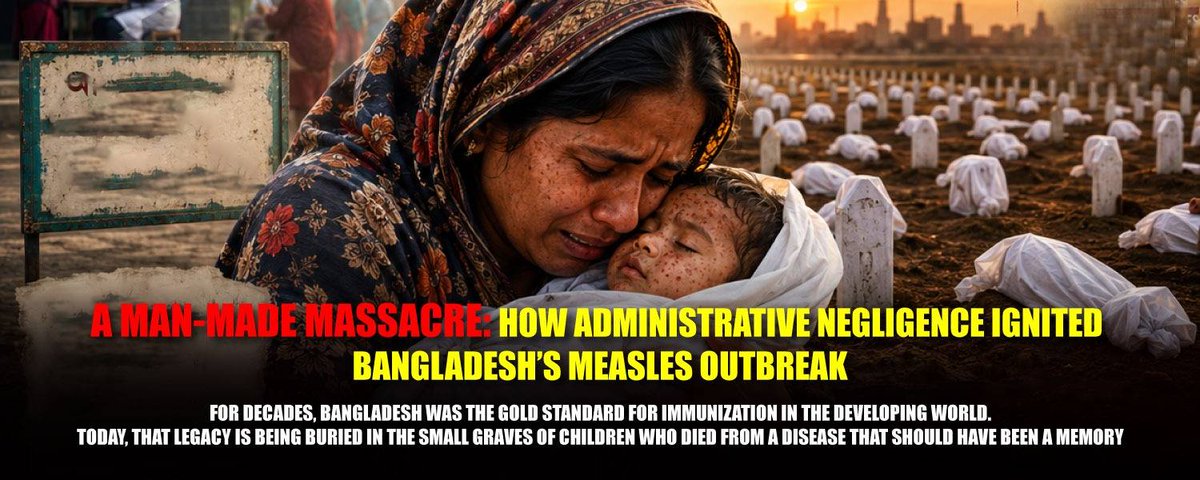
ALT Behind every child’s death lies a family’s emptiness and a lifetime of suffering. These deaths cannot simply be called “deaths”; rather, this is Yunus’s silent killing of children. Through Yunus’s plans and the BNP government’s willing inaction, innocent children are losing their lives, while the perpetrators are being spared. Measles infection and child deaths: Measles is not a new disease. There is a vaccine; prevention methods are well known. Yet so many children have died. Not even a single “sorry” has been offered. A government that has come to power through foreign money and the force of guns is not expected to have accountability to its people. From August 5 until February, none of the incidents suggested that those in power belong to this country. No reaction, no responsibility, no empathy. Thousands of children are dying in hospitals across the country after being infected with measles, but this information is not being allowed to reach the general public—why?

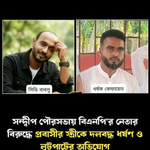
ALT Allegations have emerged in Sandwip Municipality against a BNP leader, accused of gang-raping the wife of a migrant from the Hindu fishing community and carrying out looting. The incident reportedly took place late at night, when armed individuals entered the house. It is further alleged that some influential local figures attempted to cover up the incident and threatened the victim. As her husband is abroad, she is reportedly too frightened to speak out. A climate of fear now prevails in the area. The incident has drawn strong condemnation, with calls for a proper investigation and swift legal action against those responsible.


ALT Alleged Pir Beaten to Death in Kushtia Chhatra Dal activists seen on front lines of attack, but not named in case [From left: Maruf (Chhatra Dal secretary), Shawon (activist), Kamal (activist), Russell (Jubo Dal member), Sujon (Jubo Dal activist, above), Biplob (Jubo Dal member), Mahim (Chhatra Dal activist), Mithun (Jubo Dal cadre), Abdullah Safi (district secretary of Islami Chhatra Andolon), and Jubaer (Chhatra Dal activist) — identified from video footage of the attack] Controversy has emerged over the list of accused in a case filed over the killing of an alleged pir, Shamim, who was beaten and hacked to death in Daulatpur, Kushtia. Locals say they find no resemblance between the actual incident and the case filed at the police station. They claim that individuals who organized villagers through Facebook posts three hours before the attack and those visibly leading the attack in video footage have not been nam