

NYSE American: IGC | Advancing Alzheimer's research through therapeutic innovation and AI
Maryland, US.
Joined October 2013
- Tweets2.6K
- Following205
- Followers1.1K
- Likes178





Combining Alzheimer’s data from different studies takes researchers hours of manual work.
aha™, our AI tool, cut one representative workflow from 28 hours to 2.5, with a person reviewing the results. It will be deployed on the Alzheimer’s Disease Data Initiative’s (@AlzData) research platform.
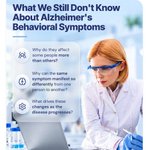
Behavioral and psychological symptoms add another layer of complexity to Alzheimer's disease. Their variability is one reason researchers continue to study how they develop and change over time.
#AlzheimersResearch

PRISM is the latest step in IGC Pharma's Alzheimer's AI strategy
Designed to bring the patent-pending MINT-AD platform closer to real-world healthcare applications, PRISM is intended to move AI-generated Alzheimer's risk insights into action
Read more: igcpharma.com/igc-pharma-unv…
#AlzheimersResearch


Most people associate Alzheimer's disease with memory loss
But researchers believe biological changes associated with Alzheimer's may begin 10–20 years before symptoms become noticeable
Alzheimer's Association (2026)
#AlzheimersResearch
↓

Studying Alzheimer's before symptoms appear helps researchers investigate the disease at its earliest stages, before significant damage has occurred
This may help improve how clinical studies are designed and how potential therapies are evaluated
National Institute on Aging (2025)
Understanding what happens before symptoms appear is one of the keys to advancing Alzheimer's research
#Neuroscience #BrainHealth
Sleep is essential for overall brain health, and researchers continue to explore how changes in sleep may be connected to Alzheimer's disease
What has research revealed so far?
Read more: igcpharma.com/how-sleep-supp…
#AlzheimersResearch #SleepResearch #BrainHealth

With target enrollment complete, IGC Pharma’s Phase 2 CALMA Alzheimer’s trial has officially transitioned from recruitment to the final stage ahead of topline results
Topline results are expected in Q4 2026
Read more: igcpharma.com/igc-pharma-com…
#AlzheimersResearch #IGCPharma


More than 55 million people worldwide are living with Alzheimer's disease
This World Alzheimer's Day, we recognize everyone affected by the disease and reaffirm our commitment to advancing Alzheimer's research
#WorldAlzheimersDay
Blood biomarkers are becoming an important area of Alzheimer's research
The most widely studied include:
• p-tau
• Amyloid-beta (Aβ)
• Neurofilament light (NfL)
Each provides researchers with different insights into the biology of Alzheimer's disease
#AlzheimersResearch

Women represent a disproportionate share of people living with Alzheimer's disease
Researchers continue to investigate how factors such as longevity, hormonal changes, genetics, and brain biology may contribute to this disparity
#AlzheimersDisease #WomensHealth
Advancing Alzheimer's research requires more than a single area of expertise
By bringing together diverse scientific disciplines, researchers can deepen our understanding of the disease and help drive future discoveries
#AlzheimersResearch #Neuroscience

MYTH vs. FACT: Alzheimer's Disease
There's a lot of misinformation about Alzheimer's disease. Let's separate fact from fiction with evidence-based insights
🧵↓
#AlzheimersDisease #BrainHealth

Myth 3: Nothing can be done after an Alzheimer's diagnosis.
Fact: While there is no cure, an early diagnosis can help people access treatment options, supportive care, and resources that may improve quality of life.
Source: National Institute on Aging (NIA)
Reliable information helps individuals, families, and caregivers make informed decisions about brain health.
Learn more through trusted organizations like the Alzheimer's Association and the National Institute on Aging.
#AlzheimersDisease
Alzheimer's disease is a global challenge, but its impact is not experienced equally around the world
Research across diverse populations is helping deepen our understanding of the factors that influence disease outcomes
Read more: igcpharma.com/alzheimers-acr…
#AlzheimersDisease
