

Welcome to the IMF’s official Middle East & North Africa account. We share our latest news, reports, and events from the region in Arabic, English, and French.
Joined June 2011
- Tweets6.1K
- Following281
- Followers212K
- Likes299


Pinned Tweet
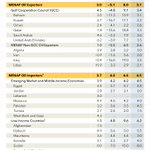
Growth in the MENAP region is projected to contract by 1.3% in 2026, nearly 3 percentage points below April's forecast. If the Middle East war subsides & trade normalizes, growth could rebound to 6.6% in 2027, supported by a recovery in Gulf oil exporters. imf.org/en/publications/reo/…

توقع تراجع النمو في منطقة الشرق الأوسط وشمال إفريقيا وأفغانستان وباكستان بنحو ١,٣٪ في ٢٠٢٦. وبفرض انحسار الصراع وعودة حركة التجارة إلى طبيعتها تدريجيا، قد يرتفع النمو إلى ٦,٦٪ في ٢٠٢٧. وتتفاوت التداعيات الاقتصادية للحرب إلى حد كبير بين اقتصادات المنطقة.
imf.org/ar/publications/reo/…
IMF 2026 Forecast for MENAP:
🇩🇿 Algeria: 3.8%
🇪🇬 Egypt: 5.1%
🇮🇷 Iran: -7.6%
🇮🇶 Iraq: -16.0%
🇯🇴 Jordan: 2.7%
🇰🇼 Kuwait: -16.7%
🇲🇦 Morocco: 4.5%
🇵🇰 Pakistan: 3.6%
🇶🇦 Qatar: -15.6%
🇸🇦 Saudi: -3.3%
🇸🇴 Somalia: 2.3%
🇸🇩 Sudan: 7.0%
🇦🇪 UAE: -3.9%
🇾🇪 Yemen: -1.5%
imf.org/en/publications/reo/…

Oil-exporting economies in the Middle East have seen a sharp slowdown in economic activity due to disruptions to energy production and shipping. Higher energy prices have helped cushion the blow, but economic strains remain significant.
imf.org/en/publications/reo/…

MENAP growth is projected to contract by about 1.3% in 2026. Assuming the conflict eases and trade gradually normalizes, growth could rebound to 6.6% in 2027. The economic impact of the war has been highly uneven. imf.org/en/publications/reo/…
التحويلات الموجهة هي الأكثر كفاءة من حيث التكلفة في حماية الفئات الهشة خلال أزمات غلاء المعيشة. أما الدعم الشامل، فقد يستنزف موارد مالية تفوقها بنحو ثلاثة أضعاف إلى اثنين وعشرين ضعفا، مع تحقيق منافع محدودة للأسر الهشة، بل وربما مفاقمة أوضاعها. imf.org/ar/blogs/articles/20…

Uncertainty across the MENAP region remains high. Further disruptions to energy production and trade could push prices higher, while tighter global financial conditions pose additional risks, particularly for low-income and fragile countries
imf.org/en/publications/reo/…

يُتوقع تراجع النمو بمنطقة الشرق الأوسط وشمال إفريقيا وأفغانستان وباكستان بـ١,٣٪ في ٢٠٢٦، بانخفاض ٣ نقاط مئوية عن توقعات إبريل. وبفرض انحسار حرب الشرق الأوسط وعودة التجارة لطبيعتها، قد يرتفع النمو إلى ٦,٦٪ في ٢٠٢٧، بدعم تعافي اقتصادات الخليج المصدّرة للنفط. imf.org/ar/publications/reo/…

Oil-importing economies in the Middle East have proven more resilient than expected. Strong remittances, tourism, favorable financial conditions, and swift policy action have helped support demand and cushion households from higher commodity prices.

However, the outlook remains subject to significant uncertainty.
imf.org/en/publications/reo/…

التداعيات الاقتصادية للحرب في الشرق الأوسط متفاوتة بشدة. شهدت البلدان المصدرة للنفط المتأثرة مباشرة باضطرابات الطاقة والشحن تباطؤا حادا، بينما أبدت البلدان المستوردة للنفط قدرة أكبر على الصمود، بدعم من تحويلات المغتربين والسياحة، والأوضاع المالية المواتية. imf.org/ar/publications/reo/…
Oil-exporting economies in the Middle East have seen a sharp slowdown in economic activity due to disruptions to energy production and shipping. Higher energy prices have helped cushion the blow, but economic strains remain significant.
imf.org/en/publications/reo/…

The impact of the war in the Middle East has been uneven. Oil exporters affected by energy and shipping disruptions have seen a slowdown, while oil importers have proven more resilient, supported by remittances, tourism, and favorable financial conditions.
imf.org/en/publications/reo/…
شهدت البلدان المصدرة للنفط في الشرق الأوسط تباطؤا حادا في النشاط الاقتصادي نتيجة اضطرابات إنتاج الطاقة والشحن. وساعد ارتفاع أسعار الطاقة على التخفيف من حدة التداعيات، إلا أن الضغوط الاقتصادية لا تزال كبيرة.
imf.org/ar/publications/reo/…

مباشر الآن: في عالم يتصاعد فيه عدم اليقين، كيف تمضي منطقة الشرق الأوسط وشمال إفريقيا نحو مستقبل أكثر صلابة؟
انضموا إلى @jihad_azour ونخبة من الخبراء، خلال فعاليات إطلاق عدد أكتوبر 2026 من تقرير صندوق النقد الدولي حول آفاق الاقتصاد الإقليمي للمنطقة. xitter.cf/i/broadcasts/1AKEmvaVz…

LIVE NOW: How is the MENA region navigating heightened uncertainty while building resilience for the future?
Join @jihad_azour and other panelists for the launch of the IMF's October 2026 Regional Economic Outlook for the Middle East and North Africa.
xitter.cf/i/broadcasts/1AKEmvaVz…
جديد: يتوقع صندوق النقد الدولي تراجع النمو في منطقة الشرق الأوسط وشمال إفريقيا وباكستان بنحو ١,٣٪ في ٢٠٢٦، أي أقل بنحو ٣ نقاط مئوية مقارنة بتوقعات إبريل. وبافتراض انحسار الصراع وعودة حركة التجارة إلى طبيعتها تدريجيا، قد يرتفع النمو إلى ٦,٦٪ في ٢٠٢٧.
imf.org/ar/publications/reo/…

توقعاتنا لنمو الناتج المحلي الإجمالي 2026:
🇩🇿 الجزائر: 3.8%
🇪🇬 مصر: 5.1%
🇮🇷 إيران: -7.6%
🇮🇶 العراق: -16.0%
🇯🇴 الأردن: 2.7%
🇰🇼 الكويت: -16.7%
🇲🇦 المغرب: 4.5%
🇵🇰 باكستان: 3.6%
🇶🇦 قطر: -15.6%
🇸🇦 السعودية: -3.3%
🇸🇴 الصومال: 2.3%
🇸🇩 السودان: 7.0%
🇦🇪 الإمارات: -3.9%
🇾🇪 اليمن: -1.5%


NEW: The IMF projects growth in the MENA region and Pakistan to contract by about 1.3 percent in 2026, nearly 3 percentage points below the April projection. Assuming the conflict eases and trade gradually normalizes, growth could rebound to 6.6% in 2027.
imf.org/en/publications/reo/…
