Justin Lemphers (@JustinLemphers) header
Justin Lemphers (@JustinLemphers) profile picture

Dad (he/him), union worker, justice seeker, doomer, extreme-leftist unicorn. Masking for the people I love. 😷 💉x7 Master of my tweets and commentary.

Yukon Territory
Joined July 2019
Photo by Justin Lemphers (@JustinLemphers)Photo by Justin Lemphers (@JustinLemphers)Photo by Justin Lemphers (@JustinLemphers)Photo by Justin Lemphers (@JustinLemphers)Photo by Justin Lemphers (@JustinLemphers)Photo by Justin Lemphers (@JustinLemphers)Photo by Justin Lemphers (@JustinLemphers)Photo by Justin Lemphers (@JustinLemphers)Photo by Justin Lemphers (@JustinLemphers)Photo by Justin Lemphers (@JustinLemphers)
Dear @ianhanomansing We need to get the public back on Team Science. We need to get more experts out in the media, talking about important life-and-death issues. My ask remains: Please bring air quality & disease transmission experts to your table for the public to hear.
No better (or worse) example of the corrosiveness of denigrating scientists than the backlash (including death threats) against meteorologists in Florida. On the National tonight, Paul Hunter shows us how in these polarized times even a storm can set off conspiracies.
4
80
2
345
9,340
Justin Lemphers retweeted
It turns out... 1,000 Canadians die each week from C*vid On average But nobody knows that Because it's not reported
With the transition of Canadian COVID-19 reporting to the combined respiratory virus dashboard, weekly COVID-19 deaths for Canada are no longer publicly reported by @GovCanHealth . According to the most recent report, participating provinces reported 971 hospitalizations and 131 deaths for the period from Aug 25-Sep 28/24. During the same period, Quebec, which accounts for 22% of the Canadian population, reported 4,691 hospitalizations and 256 deaths (current INSPQ data). If hospitalizations and deaths are similar in Quebec and the rest of Canada (likely), the national report for the Aug 25-Sep 28/24 period should include at least 21,323 hospitalizations and 1,164 deaths. Based on the most recent @CIHI_ICIS reporting of Quebec in-hospital COVID-19 deaths (Apr 1/22 to Mar 31/23), there were 1.28 times more documented COVID deaths in QC hospitals than were reported by INSPQ for the same period. However, CIHI captured only 84% of INSPQ-reported hospitalizations in QC for this period, meaning QC in-hospital deaths were likely ~1.52 times higher than deaths reported by INSPQ. About 70% of all deaths in QC occur in hospitals (StatsCan), meaning actual COVID deaths were likely ~2.17 times higher in QC than reported by INSPQ, at least from Apr 1/22 to Mar 31/23. Is QC reporting only "from" COVID deaths and excluding deaths of people who would have died anyway from other causes? To test this, we can compare excess mortality estimates from @StatCan_eng for the same period, after correcting them to remove excess mortality attributable to toxic drug deaths and excess cancer deaths (stand-in for potential excess mortality attributable to delays in access to healthcare and MAID). The StatsCan excess mortality program has been paused for the last 10 months, so estimates for QC are only available up to Sep 2/23, and are still incomplete for weeks before this date. However, weekly age-adjusted per capita all-cause mortality rates for QC and other provinces are still published every month, meaning weekly excess mortality can still be estimated by comparing weekly mortality rates in one year to mortality rates in the same week of the preceding year, and using these ratios to estimate current excess mortality values compared to previous years when estimates are more complete. From Apr 1/22 to Mar 31/23, there were 2.19 times more excess deaths in Quebec than reported COVID deaths, after adjusting for excess mortality attributable to toxic drugs and cancer. This is very close to the CIHI-based estimate of actual COVID-19 deaths (2.17 times higher than reported by INSPQ for Apr 1/22 to Mar 31/23). Taking the average of both methods for estimating under-reporting in QC, we know that for the year ending Mar 31/23, INSPQ reported 46% of "excess/from" COVID-19 deaths. If we assume the magnitude of under-reporting of COVID-19 deaths by Quebec was similar after Mar 31/23, then from Aug 25-Sep 28/24 there were likely 558 excess/from COVID-19 deaths in Quebec, and 2,537 COVID-19 deaths in Canada. Recall, the total number of COVID-19 deaths in Canada from Aug 25-Sep 28/24 reported on the new respiratory virus surveillance dashboard from PHAC: 131 So, it's likely that the new national COVID-19 dashboard is reporting, ~5% of "excess/from" COVID-19 deaths in Canada. However, reporting of COVID-19 deaths by Quebec has actually worsened since Mar 31/23. How do we know this? Because from Apr 1/23 to Jun 8/24 (the last date when age-adjusted all cause mortality rates are available from StatsCan), there were 6.37 excess deaths for every COVID-19 death reported by INSPQ, after adjusting for excess mortality attributable to toxic drugs and cancer. So, from April 1/23 onward, Quebec has likely been reporting only 16% of its COVID-19 deaths. If the under-reporting rate for Aug 25-Sep 28/24 was the same as for Apr 1/23 to Jun 8/24, then there were likely 1,630 "excess/from" COVID-19 deaths in Quebec from Aug 25-Sep 28/24, and 7,407 "excess/from" COVID-19 deaths in Canada during the same period. Recall, the total number of COVID-19 deaths in Canada from Aug 25-Sep 28/24 reported on the new respiratory virus surveillance dashboard from PHAC: 131 So, it's likely that the new national COVID-19 dashboard is reporting, fewer than 2% of "excess/from" COVID-19 deaths in Canada for the 2024 respiratory virus season to date. And no, Canada doesn't have exceptionally high COVID-19 mortality rates. From December 2021 to March 2023, the estimated median weekly COVID-19 infection fatality rate for Canada was 4% LOWER than the median infection fatality rate for the UK calculated from ONS infection estimates and confirmed COVID-19 deaths, even though Canada is slightly older than the UK and has had lower rates of fresh vaccine dose uptake than the UK from 2022 onward. What was the median weekly SARS-CoV-2 infection fatality rate for Canada during this period? 0.08747% What was it in the UK? 0.08824% Open access ref for UK IFRs: ncbi.nlm.nih.gov/pmc/article… Why are so few of Canada's COVID-19 deaths reported? It's likely that at least in part it's because many/most(?) provinces now only report deaths in people infected for the first time, as @sarperotto has confirmed for BC via official communications from BCCDC. From Dec 4/21 to date, the average person in Canada has had ~3.5 SARS-CoV-2 infections. Reporting only deaths associated with first time infections would reduce reporting by ~70%....meaning only ~30% of deaths would have been reported if this policy was in place in every province. On top of that, testing in Canada during Omicron has declined ten times more than the decrease in infection and fatality rates, meaning that a substantial number of deaths and hospitalizations simply wouldn't be detected because of under-testing. So, it's probably a combined issue of under-reporting and under-testing, but either way, it's an enormous problem. As the Office of Canada's Chief Science Advisor Dr. Mona Nemer @ChiefSciCan has pointed out, Canada currently has gaps in the effectiveness of our communication about COVID-19 vaccines. Fewer than 15% of people in Canada got fresh doses in the fall 2023 campaign. Perhaps if we started reporting more than 2% of actual COVID-19 deaths on our new national respiratory virus reporting dashboard people would better understand why getting a fresh vaccine is so important, and journalists would have real numbers they can use to help communicate about the issue. I don't know who else to copy in on this post--it's like shouting into the wind, and I don't know what it will take for Canada and ALL provinces to start improving actual COVID-19 deaths and hospitalizations. @picardonhealth @NightShiftMD @DrGorfinkel maybe you can help resurrect a national conversation on this topic.
35
495
33
1,392
46,957
1/ Long COVID is a new stigmatized condition, still without a cure or much treatment. Justin Lemphers is one of 400 million people globally, who have experienced this often invisible and debilitating condition.
1
70
8
164
20,512
Justin Lemphers retweeted
TLDR for this long, number-heavy thread: Canada's newly debuted @GovCanHealth respiratory infection dashboard reported fewer than 2% of 69,645 estimated actual COVID hospital admissions and 7,407 COVID deaths in Canada for the weeks of Aug 25 to Sep 28, 2024.
With the transition of Canadian COVID-19 reporting to the combined respiratory virus dashboard, weekly COVID-19 deaths for Canada are no longer publicly reported by @GovCanHealth . According to the most recent report, participating provinces reported 971 hospitalizations and 131 deaths for the period from Aug 25-Sep 28/24. During the same period, Quebec, which accounts for 22% of the Canadian population, reported 4,691 hospitalizations and 256 deaths (current INSPQ data). If hospitalizations and deaths are similar in Quebec and the rest of Canada (likely), the national report for the Aug 25-Sep 28/24 period should include at least 21,323 hospitalizations and 1,164 deaths. Based on the most recent @CIHI_ICIS reporting of Quebec in-hospital COVID-19 deaths (Apr 1/22 to Mar 31/23), there were 1.28 times more documented COVID deaths in QC hospitals than were reported by INSPQ for the same period. However, CIHI captured only 84% of INSPQ-reported hospitalizations in QC for this period, meaning QC in-hospital deaths were likely ~1.52 times higher than deaths reported by INSPQ. About 70% of all deaths in QC occur in hospitals (StatsCan), meaning actual COVID deaths were likely ~2.17 times higher in QC than reported by INSPQ, at least from Apr 1/22 to Mar 31/23. Is QC reporting only "from" COVID deaths and excluding deaths of people who would have died anyway from other causes? To test this, we can compare excess mortality estimates from @StatCan_eng for the same period, after correcting them to remove excess mortality attributable to toxic drug deaths and excess cancer deaths (stand-in for potential excess mortality attributable to delays in access to healthcare and MAID). The StatsCan excess mortality program has been paused for the last 10 months, so estimates for QC are only available up to Sep 2/23, and are still incomplete for weeks before this date. However, weekly age-adjusted per capita all-cause mortality rates for QC and other provinces are still published every month, meaning weekly excess mortality can still be estimated by comparing weekly mortality rates in one year to mortality rates in the same week of the preceding year, and using these ratios to estimate current excess mortality values compared to previous years when estimates are more complete. From Apr 1/22 to Mar 31/23, there were 2.19 times more excess deaths in Quebec than reported COVID deaths, after adjusting for excess mortality attributable to toxic drugs and cancer. This is very close to the CIHI-based estimate of actual COVID-19 deaths (2.17 times higher than reported by INSPQ for Apr 1/22 to Mar 31/23). Taking the average of both methods for estimating under-reporting in QC, we know that for the year ending Mar 31/23, INSPQ reported 46% of "excess/from" COVID-19 deaths. If we assume the magnitude of under-reporting of COVID-19 deaths by Quebec was similar after Mar 31/23, then from Aug 25-Sep 28/24 there were likely 558 excess/from COVID-19 deaths in Quebec, and 2,537 COVID-19 deaths in Canada. Recall, the total number of COVID-19 deaths in Canada from Aug 25-Sep 28/24 reported on the new respiratory virus surveillance dashboard from PHAC: 131 So, it's likely that the new national COVID-19 dashboard is reporting, ~5% of "excess/from" COVID-19 deaths in Canada. However, reporting of COVID-19 deaths by Quebec has actually worsened since Mar 31/23. How do we know this? Because from Apr 1/23 to Jun 8/24 (the last date when age-adjusted all cause mortality rates are available from StatsCan), there were 6.37 excess deaths for every COVID-19 death reported by INSPQ, after adjusting for excess mortality attributable to toxic drugs and cancer. So, from April 1/23 onward, Quebec has likely been reporting only 16% of its COVID-19 deaths. If the under-reporting rate for Aug 25-Sep 28/24 was the same as for Apr 1/23 to Jun 8/24, then there were likely 1,630 "excess/from" COVID-19 deaths in Quebec from Aug 25-Sep 28/24, and 7,407 "excess/from" COVID-19 deaths in Canada during the same period. Recall, the total number of COVID-19 deaths in Canada from Aug 25-Sep 28/24 reported on the new respiratory virus surveillance dashboard from PHAC: 131 So, it's likely that the new national COVID-19 dashboard is reporting, fewer than 2% of "excess/from" COVID-19 deaths in Canada for the 2024 respiratory virus season to date. And no, Canada doesn't have exceptionally high COVID-19 mortality rates. From December 2021 to March 2023, the estimated median weekly COVID-19 infection fatality rate for Canada was 4% LOWER than the median infection fatality rate for the UK calculated from ONS infection estimates and confirmed COVID-19 deaths, even though Canada is slightly older than the UK and has had lower rates of fresh vaccine dose uptake than the UK from 2022 onward. What was the median weekly SARS-CoV-2 infection fatality rate for Canada during this period? 0.08747% What was it in the UK? 0.08824% Open access ref for UK IFRs: ncbi.nlm.nih.gov/pmc/article… Why are so few of Canada's COVID-19 deaths reported? It's likely that at least in part it's because many/most(?) provinces now only report deaths in people infected for the first time, as @sarperotto has confirmed for BC via official communications from BCCDC. From Dec 4/21 to date, the average person in Canada has had ~3.5 SARS-CoV-2 infections. Reporting only deaths associated with first time infections would reduce reporting by ~70%....meaning only ~30% of deaths would have been reported if this policy was in place in every province. On top of that, testing in Canada during Omicron has declined ten times more than the decrease in infection and fatality rates, meaning that a substantial number of deaths and hospitalizations simply wouldn't be detected because of under-testing. So, it's probably a combined issue of under-reporting and under-testing, but either way, it's an enormous problem. As the Office of Canada's Chief Science Advisor Dr. Mona Nemer @ChiefSciCan has pointed out, Canada currently has gaps in the effectiveness of our communication about COVID-19 vaccines. Fewer than 15% of people in Canada got fresh doses in the fall 2023 campaign. Perhaps if we started reporting more than 2% of actual COVID-19 deaths on our new national respiratory virus reporting dashboard people would better understand why getting a fresh vaccine is so important, and journalists would have real numbers they can use to help communicate about the issue. I don't know who else to copy in on this post--it's like shouting into the wind, and I don't know what it will take for Canada and ALL provinces to start improving actual COVID-19 deaths and hospitalizations. @picardonhealth @NightShiftMD @DrGorfinkel maybe you can help resurrect a national conversation on this topic.
5
161
10
345
34,370
The GAPING HOLE in 🇨🇦 COVID-19 tracking has become LARGER. The Public Health Agency has now STOPPED reporting DEATHS. Ignoring the science will WORSEN OUTCOMES. @GovCanHealth @PHAC_GC thestar.com/opinion/contribu…
With the transition of Canadian COVID-19 reporting to the combined respiratory virus dashboard, weekly COVID-19 deaths for Canada are no longer publicly reported by @GovCanHealth . According to the most recent report, participating provinces reported 971 hospitalizations and 131 deaths for the period from Aug 25-Sep 28/24. During the same period, Quebec, which accounts for 22% of the Canadian population, reported 4,691 hospitalizations and 256 deaths (current INSPQ data). If hospitalizations and deaths are similar in Quebec and the rest of Canada (likely), the national report for the Aug 25-Sep 28/24 period should include at least 21,323 hospitalizations and 1,164 deaths. Based on the most recent @CIHI_ICIS reporting of Quebec in-hospital COVID-19 deaths (Apr 1/22 to Mar 31/23), there were 1.28 times more documented COVID deaths in QC hospitals than were reported by INSPQ for the same period. However, CIHI captured only 84% of INSPQ-reported hospitalizations in QC for this period, meaning QC in-hospital deaths were likely ~1.52 times higher than deaths reported by INSPQ. About 70% of all deaths in QC occur in hospitals (StatsCan), meaning actual COVID deaths were likely ~2.17 times higher in QC than reported by INSPQ, at least from Apr 1/22 to Mar 31/23. Is QC reporting only "from" COVID deaths and excluding deaths of people who would have died anyway from other causes? To test this, we can compare excess mortality estimates from @StatCan_eng for the same period, after correcting them to remove excess mortality attributable to toxic drug deaths and excess cancer deaths (stand-in for potential excess mortality attributable to delays in access to healthcare and MAID). The StatsCan excess mortality program has been paused for the last 10 months, so estimates for QC are only available up to Sep 2/23, and are still incomplete for weeks before this date. However, weekly age-adjusted per capita all-cause mortality rates for QC and other provinces are still published every month, meaning weekly excess mortality can still be estimated by comparing weekly mortality rates in one year to mortality rates in the same week of the preceding year, and using these ratios to estimate current excess mortality values compared to previous years when estimates are more complete. From Apr 1/22 to Mar 31/23, there were 2.19 times more excess deaths in Quebec than reported COVID deaths, after adjusting for excess mortality attributable to toxic drugs and cancer. This is very close to the CIHI-based estimate of actual COVID-19 deaths (2.17 times higher than reported by INSPQ for Apr 1/22 to Mar 31/23). Taking the average of both methods for estimating under-reporting in QC, we know that for the year ending Mar 31/23, INSPQ reported 46% of "excess/from" COVID-19 deaths. If we assume the magnitude of under-reporting of COVID-19 deaths by Quebec was similar after Mar 31/23, then from Aug 25-Sep 28/24 there were likely 558 excess/from COVID-19 deaths in Quebec, and 2,537 COVID-19 deaths in Canada. Recall, the total number of COVID-19 deaths in Canada from Aug 25-Sep 28/24 reported on the new respiratory virus surveillance dashboard from PHAC: 131 So, it's likely that the new national COVID-19 dashboard is reporting, ~5% of "excess/from" COVID-19 deaths in Canada. However, reporting of COVID-19 deaths by Quebec has actually worsened since Mar 31/23. How do we know this? Because from Apr 1/23 to Jun 8/24 (the last date when age-adjusted all cause mortality rates are available from StatsCan), there were 6.37 excess deaths for every COVID-19 death reported by INSPQ, after adjusting for excess mortality attributable to toxic drugs and cancer. So, from April 1/23 onward, Quebec has likely been reporting only 16% of its COVID-19 deaths. If the under-reporting rate for Aug 25-Sep 28/24 was the same as for Apr 1/23 to Jun 8/24, then there were likely 1,630 "excess/from" COVID-19 deaths in Quebec from Aug 25-Sep 28/24, and 7,407 "excess/from" COVID-19 deaths in Canada during the same period. Recall, the total number of COVID-19 deaths in Canada from Aug 25-Sep 28/24 reported on the new respiratory virus surveillance dashboard from PHAC: 131 So, it's likely that the new national COVID-19 dashboard is reporting, fewer than 2% of "excess/from" COVID-19 deaths in Canada for the 2024 respiratory virus season to date. And no, Canada doesn't have exceptionally high COVID-19 mortality rates. From December 2021 to March 2023, the estimated median weekly COVID-19 infection fatality rate for Canada was 4% LOWER than the median infection fatality rate for the UK calculated from ONS infection estimates and confirmed COVID-19 deaths, even though Canada is slightly older than the UK and has had lower rates of fresh vaccine dose uptake than the UK from 2022 onward. What was the median weekly SARS-CoV-2 infection fatality rate for Canada during this period? 0.08747% What was it in the UK? 0.08824% Open access ref for UK IFRs: ncbi.nlm.nih.gov/pmc/article… Why are so few of Canada's COVID-19 deaths reported? It's likely that at least in part it's because many/most(?) provinces now only report deaths in people infected for the first time, as @sarperotto has confirmed for BC via official communications from BCCDC. From Dec 4/21 to date, the average person in Canada has had ~3.5 SARS-CoV-2 infections. Reporting only deaths associated with first time infections would reduce reporting by ~70%....meaning only ~30% of deaths would have been reported if this policy was in place in every province. On top of that, testing in Canada during Omicron has declined ten times more than the decrease in infection and fatality rates, meaning that a substantial number of deaths and hospitalizations simply wouldn't be detected because of under-testing. So, it's probably a combined issue of under-reporting and under-testing, but either way, it's an enormous problem. As the Office of Canada's Chief Science Advisor Dr. Mona Nemer @ChiefSciCan has pointed out, Canada currently has gaps in the effectiveness of our communication about COVID-19 vaccines. Fewer than 15% of people in Canada got fresh doses in the fall 2023 campaign. Perhaps if we started reporting more than 2% of actual COVID-19 deaths on our new national respiratory virus reporting dashboard people would better understand why getting a fresh vaccine is so important, and journalists would have real numbers they can use to help communicate about the issue. I don't know who else to copy in on this post--it's like shouting into the wind, and I don't know what it will take for Canada and ALL provinces to start improving actual COVID-19 deaths and hospitalizations. @picardonhealth @NightShiftMD @DrGorfinkel maybe you can help resurrect a national conversation on this topic.
19
267
23
623
36,875
The Canadian Covid Society shares Dr. Moriarty's concerns. Please read this insightful post. La Société canadienne de la covid partage les mêmes préoccupations que la professeure Moriarty. Nous vous encourageons à lire cette publication très instructive.
With the transition of Canadian COVID-19 reporting to the combined respiratory virus dashboard, weekly COVID-19 deaths for Canada are no longer publicly reported by @GovCanHealth . According to the most recent report, participating provinces reported 971 hospitalizations and 131 deaths for the period from Aug 25-Sep 28/24. During the same period, Quebec, which accounts for 22% of the Canadian population, reported 4,691 hospitalizations and 256 deaths (current INSPQ data). If hospitalizations and deaths are similar in Quebec and the rest of Canada (likely), the national report for the Aug 25-Sep 28/24 period should include at least 21,323 hospitalizations and 1,164 deaths. Based on the most recent @CIHI_ICIS reporting of Quebec in-hospital COVID-19 deaths (Apr 1/22 to Mar 31/23), there were 1.28 times more documented COVID deaths in QC hospitals than were reported by INSPQ for the same period. However, CIHI captured only 84% of INSPQ-reported hospitalizations in QC for this period, meaning QC in-hospital deaths were likely ~1.52 times higher than deaths reported by INSPQ. About 70% of all deaths in QC occur in hospitals (StatsCan), meaning actual COVID deaths were likely ~2.17 times higher in QC than reported by INSPQ, at least from Apr 1/22 to Mar 31/23. Is QC reporting only "from" COVID deaths and excluding deaths of people who would have died anyway from other causes? To test this, we can compare excess mortality estimates from @StatCan_eng for the same period, after correcting them to remove excess mortality attributable to toxic drug deaths and excess cancer deaths (stand-in for potential excess mortality attributable to delays in access to healthcare and MAID). The StatsCan excess mortality program has been paused for the last 10 months, so estimates for QC are only available up to Sep 2/23, and are still incomplete for weeks before this date. However, weekly age-adjusted per capita all-cause mortality rates for QC and other provinces are still published every month, meaning weekly excess mortality can still be estimated by comparing weekly mortality rates in one year to mortality rates in the same week of the preceding year, and using these ratios to estimate current excess mortality values compared to previous years when estimates are more complete. From Apr 1/22 to Mar 31/23, there were 2.19 times more excess deaths in Quebec than reported COVID deaths, after adjusting for excess mortality attributable to toxic drugs and cancer. This is very close to the CIHI-based estimate of actual COVID-19 deaths (2.17 times higher than reported by INSPQ for Apr 1/22 to Mar 31/23). Taking the average of both methods for estimating under-reporting in QC, we know that for the year ending Mar 31/23, INSPQ reported 46% of "excess/from" COVID-19 deaths. If we assume the magnitude of under-reporting of COVID-19 deaths by Quebec was similar after Mar 31/23, then from Aug 25-Sep 28/24 there were likely 558 excess/from COVID-19 deaths in Quebec, and 2,537 COVID-19 deaths in Canada. Recall, the total number of COVID-19 deaths in Canada from Aug 25-Sep 28/24 reported on the new respiratory virus surveillance dashboard from PHAC: 131 So, it's likely that the new national COVID-19 dashboard is reporting, ~5% of "excess/from" COVID-19 deaths in Canada. However, reporting of COVID-19 deaths by Quebec has actually worsened since Mar 31/23. How do we know this? Because from Apr 1/23 to Jun 8/24 (the last date when age-adjusted all cause mortality rates are available from StatsCan), there were 6.37 excess deaths for every COVID-19 death reported by INSPQ, after adjusting for excess mortality attributable to toxic drugs and cancer. So, from April 1/23 onward, Quebec has likely been reporting only 16% of its COVID-19 deaths. If the under-reporting rate for Aug 25-Sep 28/24 was the same as for Apr 1/23 to Jun 8/24, then there were likely 1,630 "excess/from" COVID-19 deaths in Quebec from Aug 25-Sep 28/24, and 7,407 "excess/from" COVID-19 deaths in Canada during the same period. Recall, the total number of COVID-19 deaths in Canada from Aug 25-Sep 28/24 reported on the new respiratory virus surveillance dashboard from PHAC: 131 So, it's likely that the new national COVID-19 dashboard is reporting, fewer than 2% of "excess/from" COVID-19 deaths in Canada for the 2024 respiratory virus season to date. And no, Canada doesn't have exceptionally high COVID-19 mortality rates. From December 2021 to March 2023, the estimated median weekly COVID-19 infection fatality rate for Canada was 4% LOWER than the median infection fatality rate for the UK calculated from ONS infection estimates and confirmed COVID-19 deaths, even though Canada is slightly older than the UK and has had lower rates of fresh vaccine dose uptake than the UK from 2022 onward. What was the median weekly SARS-CoV-2 infection fatality rate for Canada during this period? 0.08747% What was it in the UK? 0.08824% Open access ref for UK IFRs: ncbi.nlm.nih.gov/pmc/article… Why are so few of Canada's COVID-19 deaths reported? It's likely that at least in part it's because many/most(?) provinces now only report deaths in people infected for the first time, as @sarperotto has confirmed for BC via official communications from BCCDC. From Dec 4/21 to date, the average person in Canada has had ~3.5 SARS-CoV-2 infections. Reporting only deaths associated with first time infections would reduce reporting by ~70%....meaning only ~30% of deaths would have been reported if this policy was in place in every province. On top of that, testing in Canada during Omicron has declined ten times more than the decrease in infection and fatality rates, meaning that a substantial number of deaths and hospitalizations simply wouldn't be detected because of under-testing. So, it's probably a combined issue of under-reporting and under-testing, but either way, it's an enormous problem. As the Office of Canada's Chief Science Advisor Dr. Mona Nemer @ChiefSciCan has pointed out, Canada currently has gaps in the effectiveness of our communication about COVID-19 vaccines. Fewer than 15% of people in Canada got fresh doses in the fall 2023 campaign. Perhaps if we started reporting more than 2% of actual COVID-19 deaths on our new national respiratory virus reporting dashboard people would better understand why getting a fresh vaccine is so important, and journalists would have real numbers they can use to help communicate about the issue. I don't know who else to copy in on this post--it's like shouting into the wind, and I don't know what it will take for Canada and ALL provinces to start improving actual COVID-19 deaths and hospitalizations. @picardonhealth @NightShiftMD @DrGorfinkel maybe you can help resurrect a national conversation on this topic.
91
3
247
9,562
Justin Lemphers retweeted
I debated whether to share this. I did apologize on the air. But I invite you to read my introspection on @BulletinAtomic of how extreme weather 📈 driven by global warming has changed me. Frankly, YOU should be shaken too, and demand #ClimateActionNow. thebulletin.org/2024/09/hurr…
This Post is from an account that no longer exists. Learn more
1,037
6,112
364
20,668
2,020,848
Justin Lemphers retweeted
"For kids with long COVID, "back to school" often means not returning at all Far from rare, long COVID in kids is devastating families. Experts say schools can do more to help their students" Great article. salon.com/2024/10/06/for-kid…
1
130
10
339
9,615
Justin Lemphers retweeted
How common is Long COVID? We estimate that the cumulative incidence of Long COVID till the end of 2023 is about 400 million cases – this is a staggeringly high burden. nature.com/articles/s41591-0…
13
400
86
885
193,070
This video has been made by Thomas and Gabriel Bullen, with help from Tania Spencer. They tell the story of Justin Lemphers. Gabriel and Tania have long Covid and Thomas has been hospitalized for acute Covid.
Check out this video from the @CanCovSoc telling one person's story of long COVID. this is why we advocate, to prevent more of these horrible impacts. youtube.com/watch?v=p8HPBmtH…
2
40
1
71
5,248
I'll say it again. It's time to stop making airborne disease mitigation about personal choice. People continue to make the wrong decisions. Instead, we need to simply change air quality rules and force building operators to make the air in indoor spaces clean. Period.
Last week I made a similar plea to my dean, campus health and safety, and the senior administration. The short answer is: there’s not enough public pressure to do anything at this point (they don’t care one way or the other about the research & evidence of harm).
34
442
11
1,808
46,439
Justin Lemphers retweeted
Canadian COVID Forecast: Sep 28-Oct 11, 2024 SEVERE: CAN, BC, MB, NB, North, NS, ON, QC, SK VERY HIGH: NL, PEI HIGH: AB MODERATE: none About 1 in 38 people in Canada are CURRENTLY infected.
31
391
48
709
45,085
Justin Lemphers retweeted
Canadian COVID Forecast Sep 28-Oct 11, 2024 NUNAVUT, NWT, YUKON SEVERE (decreasing) Estimated infections this week: 3,000-3,400 About 1 in every 44 people infected Compared to lowest point of pandemic in Canada: -Infections ~17X higher -Long COVID ~15X higher -Hospitalizations ~15X higher -Deaths ~16X higher
1
2
17
987
Thinking about how “climate change will manifest as a series of disasters viewed through phones with footage that gets closer and closer to where you live until you're the one filming it” as @PerthshireMags said.
414
12,837
140
63,822
2,476,331
Justin Lemphers retweeted
My cartoon in today's @irishexaminer.
598
17,747
218
104,093
1,896,870
Justin Lemphers retweeted
🚨@covidinquiryuk ⚠️CONTENT WARNING⚠️ Very emotional & graphic description of ICUs from Prof. Kevin Fong (Former National Clinical Adviser in Emergency Preparedness Resilience & Response): “The scale of death was truly truly astounding” #CovidIsNotOver #LongCovid
57
154
35
374
40,833
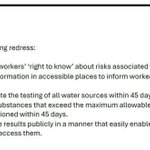
Unbelievable!!!: ...water in Yukon schools was being held to the corrosion standard, writing that it was a "joint decision made by the Department of Education and the chief medical officer of health. Like, WTF?!!!!
1
1
34
Justin Lemphers retweeted
Even as a health writer, I found it scary & surprising just how much havoc scientists think #COVIDー19 can wreak in the body. Reminder that even if ur like me and have been lucky to have mild cases, any reinfection is a roll of the dice on #LongCovid: shorturl.at/ppemN
54
424
31
1,400
69,646
Justin Lemphers retweeted
Elon Musk plans to force you to see all the nazis you've blocked right before the election
1,422
3,029
288
16,511
452,055
Dr Warne: Coughing is likely to produce as much or more aerosols than many procedures on the list of AGPs. Ms C: So on that basis you should be wearing FFP3 around anyone coughing? Dr W: Yes, bear in mind that 2 in 3 people who come to hospital with Covid present with coughing.
21
248
22
924
61,271