

Valuable Information for Producers, Practicing Professional Agronomists, and Soil Scientists. Social media user policy: https://xitter.cf/t.co/u0RqzByU52
Joined March 2013
- Tweets8.9K
- Following216
- Followers10K
- Likes1K




Pinned Tweet
The Extension Agronomy eUpdate has a new online home. Access to current articles and archived content is being restored as updates continue. Visit the new site here: agronomy.k-state.edu/eupdate… #kstateagronomy

Wet weather can put soybean seed quality at risk. Learn what to look for when scouting for seed deterioration, sprouting, and pod shattering, and how to prioritize fields when harvest conditions improve. Read more: agronomy.k-state.edu/eupdate… #kstateagronomy #soybean

This week's K-State Agronomy eUpdate is here! This week covers wet-weather risks to soybean seed quality, fall freeze monitoring tools, conservation award nominations, current soil moisture conditions, and an upcoming fall crops field day. Read the full issue: agronomy.k-state.edu/eupdate… #kstateagronomy

How did soil moisture vary across Kansas during the 2026 water year? Explore the statewide trends, from drier conditions in western Kansas to higher plant available water in the east, and see how this year compares with recent drought years. Read the summary: agronomy.k-state.edu/eupdate… #kstateagronomy #soil

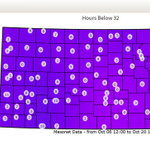
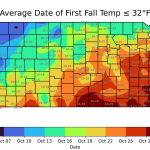
Learn how this year’s unusually warm temperatures compare with historical records and what the forecast could mean for freeze timing. Get the latest: agronomy.k-state.edu/eupdate… #kstateagronomy #weather

How did your soybeans yield this year? Kansas producers can enter the 2026 Soybean Yield and Value Contests to compare results, learn from other growers and compete for cash prizes. Entries are due November 16. Find contest details here: agronomy.k-state.edu/eupdate… #kstateagronomy #soybean

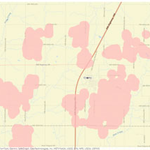
Pesticide labels are changing to comply with the Endangered Species Act. Learn how to check the EPA’s Bulletins Live! Two for field-specific restrictions. Read more: agronomy.k-state.edu/eupdate… #kstateagronomy #pesticides

This week's Agronomy eUpdate is out! This issue covers new pesticide label requirements, soybean yield and value contest, first freeze information, and Kansas soil moisture. Read the full issue: agronomy.k-state.edu/eupdate… #kstateagronomy

September 2026 officially set a new record for warmth in Kansas. Learn how the month compared with past records and which locations across the state set new September temperature records. Check out the latest: agronomy.k-state.edu/eupdate… #kstateagronomy #weather

Kansas soil moisture continues to climb after another week of widespread rainfall. See how the statewide average plant available water increased and where conditions are currently the wettest and driest. See the latest update: agronomy.k-state.edu/eupdate… #kstateagronomy #soil

Armyworms are still active in Kansas. Learn what to watch for as populations move toward wheat and how long feeding could continue this fall. Read the latest: agronomy.k-state.edu/eupdate… #kstateagronomy #wheat #insects

Protect next year’s soybean crop by testing for SCN after harvest. Learn how soil sampling can identify soybean cyst nematode populations and help guide variety and rotation decisions for next season. Find more info here: agronomy.k-state.edu/eupdate… #kstateagronomy #soybean

Fall fertilization can set cool-season pastures up for better production next year. Learn how nitrogen, phosphorus, potassium, and application timing affect smooth brome and tall fescue. Learn more here: agronomy.k-state.edu/eupdate… #kstateagronomy #forage

Fall is a great time to test hayfields and pastures. Learn how soil sampling, pH, and nutrient testing can help build a stronger fertility plan for the next growing season. Read more: agronomy.k-state.edu/eupdate… #kstateagronomy #soil #forage

This week's Agronomy eUpdate is out! This issue covers fall soil testing, pasture fertilization, soybean cyst nematode, armyworms, Kansas soil moisture, and September’s record-setting temperatures. Read the full issue: agronomy.k-state.edu/eupdate… #kstateagronomy

September brought record-setting warmth to Kansas. Learn how this month compared with historical temperatures and what the unusually warm conditions mean as the state heads into October. Check out the latest: agronomy.k-state.edu/eupdate… #kstateagronomy #weather

Kansas soil moisture made a big jump this week. See where rainfall pushed the statewide average fraction of plant available water from 0.35 to 0.60 and which areas are currently the wettest and driest. See the latest update: agronomy.k-state.edu/eupdate… #kstateagronomy #soil

Not all nutrient tests answer the same question. Learn the difference between extraction and digestion and why choosing the right test matters when interpreting nutrient results for soils, manure, and compost. Learn more here: agronomy.k-state.edu/eupdate… #kstateagronomy #soil

Fall is the time to get ahead of biennial weeds. Learn why rosette-stage weeds are easier to control and how fall herbicide applications can help prevent problems next spring. Read more: agronomy.k-state.edu/eupdate… #kstateagronomy #weeds

A representative soil sample starts with good sampling practices. Learn how the number of cores, sampling depth, field patterns, and fertilizer bands can affect the accuracy of soil test results. Find more info here: agronomy.k-state.edu/eupdate… #kstateagronomy #soil

Fall is a great time to collect soil samples, but proper handling matters. Learn how to collect, store, and submit samples to the K-State Soil Testing Lab for reliable results and fertilizer recommendations. Read more: agronomy.k-state.edu/eupdate… #kstateagronomy #soil
