




Image_and_Life retweeted

این آیه نقدی بر کتاب مقدس تفسیر شده، که میگه خدا بعد از آفرینش استراحت کرد. اما با توجه به سیاق آیات، خطاب آیه به مشرکانه که رستاخیز رو انکار میکردن. چند آیه قبل هم میگه: آیا در آفرینش اول خسته شدیم، که حالا از رستاخیز ناتوان باشیم؟
قرآن استراحت خدا رو رد نمیکنه، بلکه ⬇️

Image_and_Life retweeted
کتاب مقدس پامپلونا، قرن ۱۲ میلادی، با حذف متن تا حد زیاد، و استفاده از تصویر به جای متن، کتاب مقدس رو به صورت نوعی کمیک درآورد.


Image_and_Life retweeted

Facial reconstruction of a 2,800-year-old Neo-Elamite woman from Haft Tepe, Khuzestan, Iran
Elam was an ancient civilization centered in what is now southwestern Iran, particularly the regions of Ilam and Khuzestan, with some territory extending into southern Iraq. In classical literature, Elam was also known as Susiana, a name derived from its capital, Susa.
Elam emerged during the Chalcolithic period as part of the early urbanization of the Near East, with written records appearing around 3000 BC. During the Old Elamite period, its political centers were located on the Iranian plateau, before shifting toward Susa in the Khuzestan lowlands around the mid-2nd millennium BC.
The Neo-Elamite period saw Elam involved in repeated conflicts and unsuccessful alliances with Babylonians, Chaldeans, and other peoples against the powerful Neo-Assyrian Empire. Elamite forces also fought alongside Babylonian rulers against Assyria but suffered several defeats.
The later Neo-Elamite period coincided with increasing migration of Iranian-speaking Indo-European peoples onto the Iranian plateau. Elamite culture played an important role in the Achaemenid Empire, with the Elamite language remaining one of its official languages.
Elamite is generally considered a language isolate, unrelated to any known language family.
The woman was excavated by an archaeological team led by Dr. Behzad Mofidi-Nasrabadi between 2007 and 2010.
She was approximately 24 years old at the time of death. Her cranial width was 133 mm, cranial length 181 mm, bizygomatic breadth 128 mm, and mandibular breadth 85 mm. (Farzad Foruzanfar)
Excavations at Haft Tepe uncovered a large funerary complex founded by Tepti-Ahar, where the god Kirwashir (Kirmasir) was worshiped. The complex included two mud-brick platforms, workshops, a probable palace, and a subterranean tomb complex beneath a large courtyard, apparently intended for the king and his family. Two tombs, including that of Tepti-Ahar, had oval vaulted roofs constructed from baked brick and gypsum mortar; the king’s tomb measured 10 × 3.25 × 3.75 m. Although skeletal remains were found, their royal status is uncertain. Other discoveries included a possible ziggurat, courtyards, rooms, bronze decorations, wall paintings, terracotta “bathtub coffins,” and stone stelae describing funerary rites and sacrifices.
Reconstruction commissioned by @shoresh03


Image_and_Life retweeted

سفرنامه دکتر ویلز:
اگر مقدار گچ کافی بود، بلافاصله سفت میشد و باعث مرگ میشد. متأسفانه مقدار گچ کافی نبود و گچ بیشتری هم پیدا نمیشد. ملات گِل سفت نشد و بسیاری از مردان هنوز زنده بودند و پس از دو روز هنوز برای آب فریاد میزدند.


Image_and_Life retweeted

در دهه 1890 در استانبول عکاسی به نام مهران ایرانیان فعالیت داشته است که عکسهای بسیار مهم و معروفی به یادگار گذاشته است.
از او حدود 300 عکس به جا مانده است که گویا از 1900 به بعد عکسی از وی باقی نمانده است.
امضای او M.Iranian بوده است.

Image_and_Life retweeted

به این طراحی از چهارصدوسیوشش سال پیش توجه کنید.
طراحی بسیار زیبایی از رضا عباسی (احتمالاً)، مرد و یوزپلنگ کوچکش سوار بر اسب.
ترکیب نگاهها، کمرنگ بودن طراحی و لکههای ریز مرکب یا نقرهی اکسید شده، تصویر بسیار قابل توجهی ساخته است.

ALT Label:Cheetah Trainer Description:This is a small, exquisite drawing of a horseman with a cheetah seated behind him. The horseman sits straight up with both hands clasped on the saddle gazing into the distance, perhaps in expectation of game, while the small cheetah glances in the other direction. The silver flecks that have now tarnished to dull black in the paper obscure somewhat the fine details of the drawing, especially the subtle face of the man. Date:c. 1590 Classification:Drawings Medium:Gray-black ink on silver-flecked off-white paper Dimensions:13.6 x 10.1 cm (5 3/8 x 4 in.) Attribution:Harvard Art Museums
Image_and_Life retweeted

بدون شک یکی از مهمترین فیلمهای تاریخ سینمای ایرانه. فخیمزاده این روایت درستش رو مدیون گذروندن دوره سربازیش در یک آسایشگاه بیماران روانه. از طرفی هم برداشت آزادی داشته از فیلم «ماتیک» لامونت جانسن.
از بازی تا نورپردازی، فیلمبرداری و تدوین واقعا اثر در خور توجهیه.


Image_and_Life retweeted
در ژاپن شرکتهایی هستند که کمک میکنند شما محو شید. بهش میگن جوهاتسو (بهمعنای بخار شدن). بهیکباره گم شید و کسی هیچ ردّی از خودتون و هویتتون نداشته باشه؛ کاملا قانونی. اغلب بخاطر بدهی، شرم و یا افسردگی. حتی هویت و چهرهتون رو مجازید عوض کنید. "مردن و متولد شدن در این حیات".
Image_and_Life retweeted
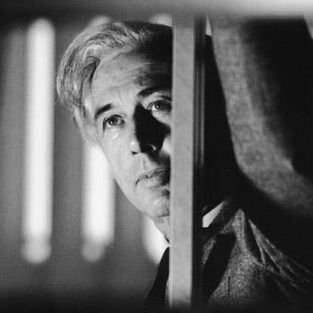
On this day, 60 years ago, Camillo Mastrocinque's "An Angel for Satan" (1966) was released in Italy.
Image_and_Life retweeted
اینجا مبسوطتر مینویسم.
t.me/Harut_Marut

Image_and_Life retweeted

The Tunnel remembers - Aref Jafarizadeh. We are going to achieve great things this season, brother. Just you wait and see… #Arsenal #Iran @arsenal @Misagh1886 💔🤍🫡