

We are an Ethereum Layer 2 that simplifies blockchain interactions, making it easy to focus on building, growing, & discovering what’s next #DiscoverPossible
Metaverse
Joined October 2022
- Tweets10.2K
- Following1.2K
- Followers98K
- Likes5.8K




Your Monday LightLink Mainnet numbers:
→ 234.5M blocks
→ 94.5M txs
→ 6.0M addresses
→ 793.8K txs in the last 30 days
~22.9K txs a day this week, each one in a block within about half a second 🤠

Moving an EVM app to LightLink is a config change, not a rewrite
→ Pegasus Testnet: chain ID 1891, with a faucet
→ Phoenix Mainnet: chain ID 1890
Geth-based execution, so Solidity, Hardhat, Foundry and MetaMask work unchanged
Add the network, point your deploy script at it

Coinbase and The Block Research found 73% of stablecoin transfer volume in the 12 months to July moved outside US banking hours
Money stopped keeping banking hours
LightLink never had any
→ ~1.2M blocks in the last 7 days
→ one every ~0.5s, Sunday 3am included 😏

6/6 It already runs at scale: @trycarbonio's CRT, the most-held token on LightLink, is built on Bolt
Read the Bolt docs 👇
docs.lightlink.io/lightlink-…

5/6 Beyond minting, it's the same pattern for:
→ creating user accounts
→ deploying and executing contracts
→ creating and transferring tokens
→ webhooks for what happens next
4/6 The key part: userId can be your own user ID, not a wallet address
Pass one and Bolt creates a LightLink account for that user
They sign in the way they already do. No wallet needed
3/6 Minting is one API call
Send the metadata (name, description, attributes) and Bolt mints the token
It's gasless, because Bolt runs on Enterprise Mode
1/6 Putting a user's action on-chain usually means building:
→ wallet infra
→ RPC plumbing
→ transaction signing
→ gas top-ups
Bolt replaces that stack with API calls 👇

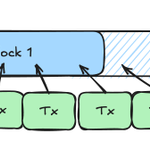
Blocks on LightLink land every 0.5 seconds
Once a tx is in a block it has "soft finality": its order and result are set, as long as the sequencer stays honest
Then the data goes to @celestia and the chain settles to Ethereum
For apps, that means no long "pending" state 🤠

6/6 When the quota runs out, the app picks:
→ top it up
→ or let users pay normal gas again
Try it on Pegasus Testnet with the self-serve whitelisting tool, or talk to us on Discord for Mainnet 👇
discord.gg/lightlinkchain

5/6 So where does the gas go?
The app prepays its quota in stablecoins, ETH or $LL
That's converted to the native token to pay the nodes, so the chain still runs like a normal Ethereum-based chain
The cost just moves from the user to the app
4/6 Step 3: the user sends a tx with
→ to = the whitelisted contract
→ gasPrice = 0
No ETH in the wallet, no gas prompt
The app's quota covers it
3/6 Step 2: it whitelists contracts
Only the contracts the app names can spend its quota
Everything else on LightLink pays gas in ETH as usual
2/6 Step 1: the app registers on-chain
It signs up in the Enterprise Smart Contract with:
→ its name
→ a main account address
→ quota units per month
→ wei per quota unit
That's its gas budget, recorded on-chain
1/6 "Gasless" gets thrown around a lot
On LightLink it's a specific mechanism, built into the protocol
Here's what actually happens when an app turns on Enterprise Mode 👇

Weekly stats for LightLink Mainnet:
→ 233.3M blocks
→ 94.3M txs
→ 5.9M addresses
→ 945.6K txs in the last 30 days
Blocks still landing every ~0.5s 🤠

LightLink already builds around this idea with 500 ms blocks and Enterprise Mode, which lets apps offer gasless transactions
The next leap isn't just making LightLink faster
It is making the blockchain feel lightning-fast while LightLink handles the speed underneath
lightlink.io/
And to process more txs per second, devs can implement parallel tx processing, doubling or tripling the number of transactions that can be completed in the same amount of time
Sadly, simply increasing block size or decreasing block creation time affects security, so we should be creative

