
Global Macro Strategist @ NYLIM. Black swan ornithologist. USC, SAIS, Wharton. Pod: Market Matters. Views my own; likes/rt not endorsements.
Joined November 2022
- Tweets18
- Following11
- Followers45
- Likes1

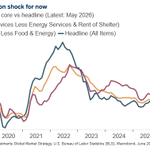



The energy shock is showing up in headline inflation, but the spillover into core inflation still looks limited.
The risk is that higher inflation gets bankrolled through stronger wage growth and broader core price increases.
#Inflation

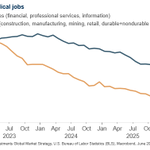
Hiring has still been heavily concentrated in areas like health care, hospitality, and government. But the more cyclical parts of the labor market are starting to turn up.
#LaborMarket

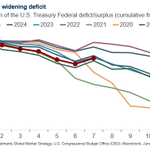
The U.S. is tracking another large deficit this year.
Deficits remain elevated even with the economy still growing and interest rates already high.
That keeps fiscal policy central to the outlook for Treasury supply, rates, and inflation.
#FiscalPolicy


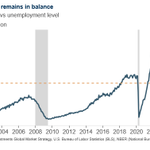
The labor market still points to an economy that is solid, not breaking.
If growth holds up and labor avoids a sharp rollover, the case for quick rate cuts gets harder to make.
#LaborMarket

Energy is likely to contribute more to inflation from here than it has over the past few years.
That does not mean a return to 2022, but it does change the inflation mix. A category that had been helping hold headline inflation down may now become a source of renewed pressure.

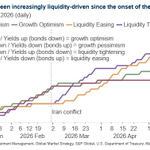
Since the onset of the Iran conflict, markets have been increasingly liquidity-driven.
Stocks and bonds have been moving in patterns that look less like a clean growth signal and more like a shift between liquidity easing and tightening.
#Liquidity

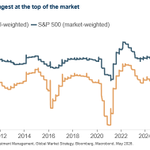
S&P 500 operating margins remain strong, but that strength is not evenly distributed.
The gap between market-weighted and equal-weighted margins is a reminder that the biggest companies still carry a meaningful profitability advantage.

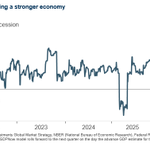
The Atlanta Fed’s GDPNow model is tracking U.S. growth at 4.3%.
Nowcasts can move around, but the direction matters: growth expectations have firmed rather than faded.
For an economy that keeps being described as fragile, the incoming data still looks surprisingly resilient.


Truck tonnage rose 3.5% year-on-year in April - the fastest pace since 2022. That is not just resilience, it could be a sign of reacceleration.
After a long period of uneven goods activity, freight demand is showing renewed momentum. For the broader economy, that is a good sign.

Delinquency rates remain low across most major lending categories.
That matters because it suggests consumer and credit stress are still contained even after higher rates, tighter lending standards, and a long stretch of elevated prices.

Industrial production perked up in April. That doesn’t look like an economy rolling over.
For now, the hard data still points to resilience, not recession, even if sentiment, geopolitics, and policy uncertainty are keeping markets on edge.

Jobless claims aren't raising alarm bells nationally. The recent spike in Florida was driven by Spirit Airlines' collapse, which laid off ~4,800 workers.
#claims #SpiritAirlines

The labor market still looks stable on the surface. But sentiment is flashing a warning sign. Historically, when unemployment expectations rise, job losses tend to follow. That does not mean layoffs are imminent, but it does suggest the margin for error is narrowing.

