

Mak Peter Itambu, (PhD) BioAnthropology, Univ. of Calgary, Canada. Lecturer, University of Dar Es Salaam, Research Affiliate with Max Planck, Jena-Germany,
Calgary, Alberta
Joined May 2018
- Tweets1.4K
- Following1.4K
- Followers1K
- Likes10.2K




È stato un grande piacere incontrare l’Ambasciatore italiano in Tanzania, l’On. Giuseppe Sean Coppola; insieme al professor Gallinaro e a me, abbiamo avuto una discussione molto proficua sulle nostre ricerche archeologiche nella regione di Singida.


1
1
45
Makarius Itambu retweeted

Editor’s summary: The movement of early humans from Africa..into the rest of the world occurred through Arabia. However, the Red Sea and unfavorable climatic conditions often represented major barriers. Thus, alternating climatic humid intervals were essential to human dispersal

Early humans developed sophisticated hunting technologies and exploited diverse plant and animal resources while living in the Arabian interior, according to a new Science study of a 125,000-year-old archaeological site in Saudi Arabia.
The findings offer new evidence of how prehistoric populations adapted to the region's changing environments during periods of increased rainfall. scim.ag/4Asxr30

Eight archaeological sites in the Singida region were listed in the Official Gazette and designated as Tanzanian national heritage sites yesterday Huit sites archéologiques de la région de Singida ont été inscrits hier au Journal officiel et classés au patrimoine national Tz.
2
8
229
Une équipe du ministère des Ressources naturelles et du Tourisme – Division des antiquités – s'est rendue aujourd'hui sur nos sites archéologiques de Singida afin de les évaluer en vue de leur inscription sur la liste des sites protégés et de leur reconnaissance en vertu de la lé


1
8
202
gislation.. A team from the Ministry of Natural Resources and Tourism – Antiquities Division – visited our archaeological sites in Singida today to assess them with a view to their inclusion on the list of protected sites and their recognition under national legislation
1
2
20


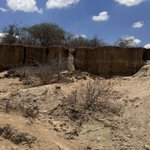
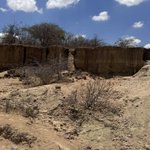
The Senkenke–Wembere Miocene–Holocene sediments containing fossilised organic remains and petrified wood in Iramba District, Singida Region, 31 October 2026
1
55


Makarius Itambu retweeted

Did dinosaurs eat fruit?
Debatable, as plants with fruits and flowers evolved late in the Age of Dinosaurs.
Now say hello to Infernogallus, an oviraptor with a parrot beak, perfect for munching on Cretaceous fruit salads!
My thoughts @ScienceMagazine
science.org/content/article/…

Our new official logo for our archaeological campaign in the Singida region, in central Tanzania
-Notre nouveau logo officiel pour notre campagne archéologique dans la région de Singida, au centre de la Tanzanie


1
61
Le site archéologique de Singida en octobre 2026
-The Singida archaeological site in October 2026

1
55


Efforts to preserve Tanzania’s archaeological and cultural heritage from total loss: the case of the Singida region
35
Les efforts visant à préserver le patrimoine archéologique et culturel de la Tanzanie d'une disparition totale : le cas de la région de Singida
39
Les résultats de nos recherches archéologiques menées à Singida montrent que les premiers humains vivaient dans des environnements variés, répartis sur différents sites du nord, du centre et du sud de la région
2
67