

🇦🇿Azerbaijani Turk🇦🇿 The one whose ancestors owned Iranjeets for 700 years
Joined November 2026
- Tweets859
- Following0
- Followers21
- Likes0


Pinned Tweet
Iranjeet/Farsjeet passed DNA test.
He is 40% Indian🇮🇳 (South Asian) and 40% West Asian (Turkic, Semitic and Caucasian).

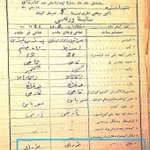
Marriage certificate of a young man and woman named Israfil and Shah-Sanam — from the village of Muxax in the Zaqatala district of Azerbaijan — dated 1926:
Nationality: Turk (🇦🇿)
Native Language: Turkic (🇦🇿)


🇦🇿 Turks were RULERS, schizophrenic Indian. Rulers don't give women to anyone, they take women from locals. Turks (🇦🇿) fucked your mothers, not the opposite. Is it because of your Gypsy Aryan race your head is upside down or your incest breed just lives in parallel universe?😂

اگر ملاک زبان مادری است، پس زبان پانترکهای آذربایجان نهایتا به حدود هزار سال میرسد، چراکه پیش از آن، زبان آذری کهن بود. پس با ورود ترکان مهاجر و آمیزش با مادران پانترک، زبان تغییر کرد. بنابراین بهجای واژه «زبان مادری»، بگویند «زبان پدری»! 🤣
3
58

Persian court jesters of Azerbaijani Turk (Turkoman) Nasser ad-Din Shah Qajar, Persia. End of the 19th century

Central Asian ≠ Turkic. Minimal Central Asian contribution doesn't mean population isn't Turkic or changed language. It means 🇦🇿Turks were formed by Turkic migrations (each brought own increased ancestry) NOT from Central Asia. Turkic tribes lived in European Steppes too.

The symbols of the Suraxani fire temple built in 17-18th centuries has nothing to do with Zoroastrianism.


Iranjeets have no connection with India. Yeah.
Sleeping with women is not enough for the barbaric tendency of the Persians, they often assault cows and loathing is common everywhere.
Source: Samuel Gottlieb's travel book, p. 86. The book about the travel to the North of Gayran.

In a manuscript of Nezheh al-Qulub which is cataloged and indexed in the National Library of Iran, there is no mention of the Pahlavi language spoken by the women of Maragheh in the section related to Maragheh's currency (toman). It appears only in later versions.


Achaemenid architecture was influenced by Mesopotamian, Assyrian, Egyptian, Elamite, Lydian, Greek and Median architecture

1
60
Rauwolf, the German traveler who journeyed through the Ottoman lands and neighboring territories of Safavid Iran between 1573 and 1575, writes about the "Persian" merchants he encountered in Baghdad:
They are also called Red Turks.


انسانها در ترکیه🇹🇷 هر زمان از ایران عقدهای میشن میگن که «ترکها هزار سال ایران را اداره کردند».
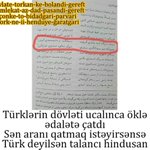
سام میرزا پسر شاه اسماعیل درباره ترکان(استجانلوها از ترکیه آمده بودند) میگوید: «اگرچه ترک است اما اطوار آدمیانه دارد».
صفوی خود را ترک نمیدانست اگر ترک بود که چنین نمینوشت.


3
3
129

12-years-long research made by National Geographic states: Iranian natives’ genetic makeup is 56 percent Arabian


Some Gypsy's DNA results
35.3% "Greek and Albanian"
24.3% South Asian
18.6% "Persjeet and Kurdjeet"
11.9% "Pashtun"
47

