

We are MBSK. Rewriting the narrative: our young men & women are more than athletes or entertainers — they are future leaders, doctors, lawyers, scientists &more
Palmyra, NY
Joined January 2019
- Tweets208
- Following78
- Followers105
- Likes696





Wayne MBSK retweeted

Today we are thrilled to announce the newest class of Obama Foundation Scholars, emerging leaders—learning to tackle big challenges through study at @UChicago, in addition to our robust programming.


Wayne MBSK retweeted

Students from the Shinnecock Nation welcome participants at the #NYSMBK Symposium with a traditional Indigenous Ceremony Opening. #WeAreMBK #ChangingTheNarrative @NYSMBK

Wayne MBSK retweeted
Jemal King @9to5millionaire gives the keynote address at today’s #NYSMBK Symposium. Watch live: nysed.gov #WeAreMBK #ChangingTheNarrative @NYSMBK

Started as a week extended to the shortest month of the year, now is the time to make Black History an everyday everyplace event.

Wayne MBSK retweeted
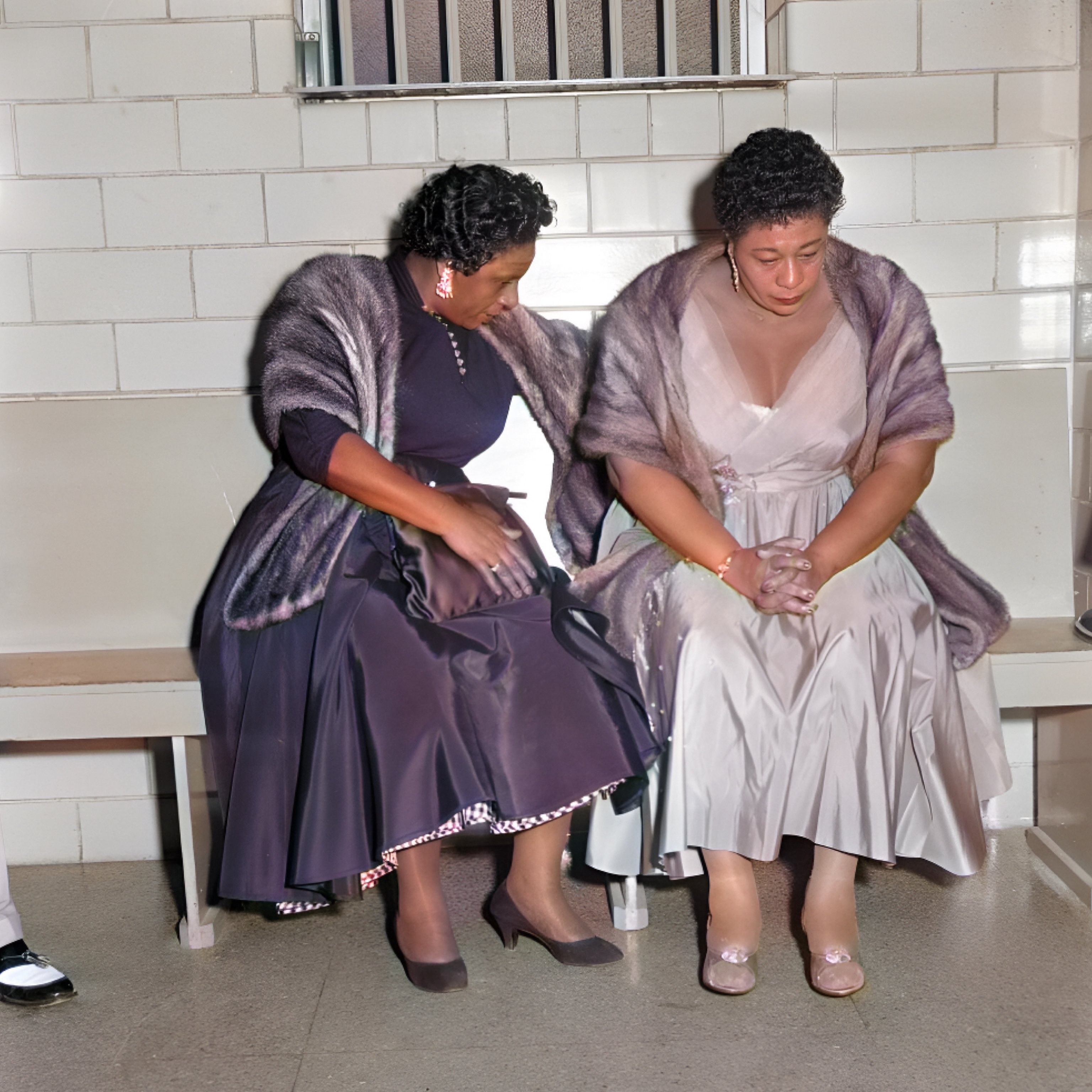
Ella Fitzgerald in a Houston jail cell for singing to an integrated audience, 1955.
—On 7th October, 1955,
Ella Fitzgerald, Georgina Henry, Illinois Jacquet, Dizzy Gillespie, and jazz impresario Norman Granz were arrested for “shooting dice” in Fitzgerald’s dressing room at the Music Hall in Houston, TX.
Houston-born Jacquet had wanted to integrate audiences ever since he had played in Los Angeles in 1944 for a benefit organized by Granz (to raise money for the defendants in the Zoot Suit Riots). “I seem to excel on my instrument when I play for an integrated audience,” the saxophonist said.
“I love Houston,”Jacquet said after the October concert. “This is where I went to school. This is where I learned everything I know. I was fed up with coming to Houston and playing to a segregated audience. I felt if I didn’t do anything about segregation in my hometown, I would regret it.”
Granz arranged the show, and the contract was explicitly worded that the show would be integrated.
After the first set, the Houston vice squad stormed into Fitzgerald’s dressing room, guns drawn with the intention of stopping a second set. Fitzgerald and Henry were quietly drinking coffee, but Gillespie and Jacquet were playing dice in the corner, providing the police with an excuse for an arrest. Granz entered the room after hearing the police. He later claimed he saw an officer try to plant drugs in the bathroom. “I’m watching you,” Granz said, and the cop pointed his gun at Granz and threatened to shoot him.
The group was met by photographers when they arrived at the jail, tipped off by the cops, and all were booked and fined ($10) before being released. Granz and his musicians returned to perform a second set.
🖋️if you love our content, please consider supporting our page on AfricanArchives.Support (follow the ko-fi page too for weekly posts roundup)
Wayne MBSK retweeted
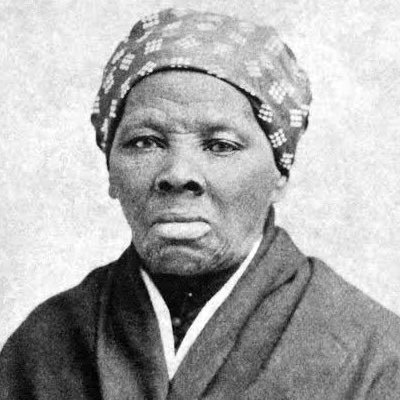
The Tignon laws of the 18th century were laws that banned black women from exposing their natural hair in public.
Their hairdos was obscuring the status of the white women and this threatened the social stability. The law would control colored women “who dressed too elegantly..”
Resembling today’s West African Gele, a tignon is a type of head-covering. It is a large piece of material wrapped or tied around the head to form a kind of turban concealing the hair.
Tignons were worn by free and slave Creole women of African descent in Louisiana from 1786. Historically, their prevalence was as a result of sumptuary laws passed in 1786 under Governor Esteban Rodriguez Miró.
These prescribed and enforced appropriate public dress styles for women of color in a white-dominated society. Hence, they were made as a way of regulating the appearance of black women in the U.S.
During the period, when black enslavement in America was at its peak, and places like New Orleans was unique in its high population of gens de couleur libres (free people of color), black women’s beauty and features often attracted white men who approached them as suitors.
This enraged white women who perceived them as competitors. Evidently, African women competed openly with white women through elegant dressing, including adorning their textured hair with gems, beads, and other accents that made them stand out from white women and possessing great beauty.
To take care of this perceived menace, series of sumptuary laws birthing the Tignon Law were put in place in order to stop white men from pursuing and engaging in affairs with women of colour, “while also being a class signifier,”
🖋️if you love our content, please consider supporting our page on AfricanArchives.Support (follow the ko-fi page too for weekly posts roundup)

Wayne MBSK retweeted
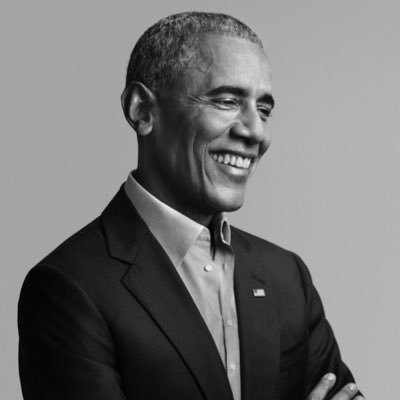
.@POTUS knows the importance of unions. That’s why he joined the UAW picket line yesterday.
Right now, unions across the country continue to stand up and advocate for the rights of working Americans — and they deserve our support. This week’s WGA deal is an example of what’s possible. Keep going.


Wayne MBSK retweeted

HBCU’s have provided:
40% of black engineers
50% of black teachers
60% of black doctors
80% of black judges
100% of black Vice Presidents
- US Secretary of Education, Miguel Cardona

