

US Headquartered 🌎 Global Warehousing Inhibitors & Agonists | Proteins | Drug Screening Platform 🔗https://xitter.cf/t.co/336k5HKwgL
United States
Joined January 2014
- Tweets9.8K
- Following481
- Followers626
- Likes1.9K




Pinned Tweet
🔬Help Us Better Support Scientists Worldwide!💜
🔗Take our Global Survey: medchemexpress.com/global-ma…
🌎Join the MedChemExpress Research Community by sharing your information. Stay connected with us to access the latest research resources and discover how MCE’s products and services can support your scientific journey.
Thank you for being part of the scientific community driving innovation forward. 🧪
#LifeScience #ScientificResearch #Biotechnology #DrugDiscovery #ResearchCommunity

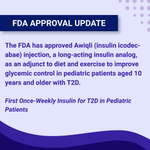
🚨FDA Approval Update | First once-weekly insulin approved for children with type 2 diabetes
The #FDA has approved Awiqli (insulin icodec-abae), a long-acting insulin analog, to improve glycemic control in pediatric patients aged 10 years and older with #T2D, alongside diet and exercise.
🔹Subcutaneous administration offers an alternative to daily basal insulin injections.
🔗Read more: fda.gov/drugs/news-events-hu…
🧪MedChemExpress offers insulin icodec for research use: medchemexpress.com/insulin-i…
#FDAApproval #DrugApproval #Diabetes #InsulinIcodec #Awiqli

🔬ESMO 2026 Lung Cancer Abstract Highlights | How are emerging therapies reshaping the lung cancer treatment landscape?
These 10 selected phase III studies explore new strategies across #SCLC and #NSCLC, including immunotherapy, next-generation #ADCs and targeted approaches to treatment resistance.
🔹DeLLphi-305 (LBA3): Tarlatamab + durvalumab vs. durvalumab alone as first-line maintenance for ES-SCLC, testing DLL3-directed T-cell engagement earlier in treatment.
🔹OptiTROP-Lung06 (LBA66): Sacituzumab tirumotecan (TROP2 ADC) + pembrolizumab vs. chemotherapy + pembrolizumab in first-line PD-L1-negative advanced nonsquamous NSCLC.
🔹OptiTROP-Lung04 (LBA67): Final overall survival analysis of sacituzumab tirumotecan vs. platinum-based chemotherapy after EGFR-TKI progression in EGFR-mutated NSCLC.
🔹Sigvotatug Vedotin (LBA68): A phase III comparison with docetaxel in previously treated nonsquamous NSCLC, examining efficacy and safety.
🔹KRASCENDO 1 (LBA5): Divarasib vs. sotorasib or adagrasib in previously treated KRAS G12C-mutated NSCLC, offering a direct comparison within the targeted therapy class.
🔹SAFFRON (LBA6): Osimertinib + savolitinib vs. platinum-pemetrexed after osimertinib progression in EGFR-mutated NSCLC with MET overexpression and/or amplification.
🔹SANOVO (LBA69): Savolitinib + osimertinib vs. osimertinib alone in treatment-naïve EGFR-mutated NSCLC with MET overexpression, exploring upfront dual-target inhibition.
🔹PANKU-Lung01 (LBA71): Izalontamab brengitecan, a bispecific ADC, in EGFR-mutated nonsquamous NSCLC after progression on a third-generation EGFR-TKI.
🔹HERON-Lung01 (LBA72): Ruzaltatug rezetecan, a HER3-directed ADC, vs. platinum-based chemotherapy after EGFR-TKI progression in EGFR-mutated advanced NSCLC.
🔹Neotorch (LBA64): Final analysis of perioperative toripalimab + chemotherapy in resectable stage II-III NSCLC, focusing on long-term outcomes.
🔗Read more: oncodaily.com/oncolibrary/lu…
💡MedChemExpress offers 3900+ tools for lung cancer research: medchemexpress.com/disease-a…
#ESMO26 #ESMO2026 #ESMO #LungCancer #CancerResearch #Oncology

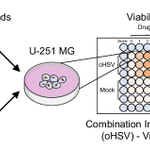
I just published From Millions of Compounds to Breakthroughs: 3 High-Throughput Screening Case Studies medium.com/@medchemexpress_l…
🧪How do millions of compounds lead to new discoveries?
Explore 3 HTS case studies spanning targeted protein degradation, drug repurposing, and oncolytic virotherapy—and see how screening hits become scientific insights.
#DrugDiscovery #HTS #DrugRepurposing

🧬Research Spotlight | Can estrogen receptor degraders do more than block tumor growth?
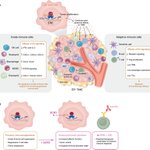
Selective estrogen receptor degraders/downregulators (SERDs) are evolving as key therapies for ER+ breast cancer. Beyond targeting estrogen receptor α (ERα), emerging evidence suggests they may also reshape the tumor immune microenvironment and enhance antitumor immunity.
This JCI review explores:
🔹Advances in next-generation SERDs, including orally available agents
🔹Challenges posed by ESR1 mutations and endocrine resistance
🔹How SERDs may influence interactions between cancer cells and immune cells
🔹Opportunities to combine endocrine therapy with strategies that boost antitumor immunity
📖Read more: jci.org/articles/view/207633
🧪Explore breast cancer-related research tools from MedChemExpress: medchemexpress.com/disease-a…
#EstrogenReceptor #BreastCancer #TME #Oncology #CancerResearch

🧬Research Spotlight | Can a triple agonist help address obesity-related sleep apnea?
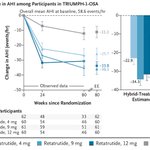
A Phase 3 study published in @NEJM evaluated #retatrutide, a triple GIP, GLP-1 and glucagon receptor agonist, in adults with obesity and moderate-to-severe obstructive sleep apnea (#OSA).
📊At 80 weeks, the apnea-hypopnea index (AHI), measuring breathing interruptions during sleep, decreased in both trials:
🔹TRIUMPH-1-OSA (without type 2 diabetes): 34.3 events/h with 9 mg and 31.7 with 12 mg, vs. 9.9 with placebo.
🔹TRIUMPH-2-OSA (with type 2 diabetes): 24.7 events/h with 9 mg and 25.4 with 12 mg, vs. 10.3 with placebo.
Both trials also reported greater weight reductions with retatrutide than with placebo, highlighting its potential to address obesity and an associated sleep-related complication.
⚠️Retatrutide remains investigational and is not FDA-approved.
🔗10.1056/NEJMoa2611477
🧪Explore retatrutide for research use only from MedChemExpress: medchemexpress.com/retatruti…
#DrugDiscovery #ObesityResearch #Obesity #Diabetes #T2D #SleepApnea #GCPR #GIPR #GLP1R

🚨#FDA Approval Update | A new approach to chronic hepatitis B treatment
The FDA has approved #Hibsago (#bepirovirsen), the first antisense oligonucleotide approved for chronic hepatitis B virus (HBV) infection.
🔸Used alongside existing antiviral therapy, Hibsago targets HBV genetic instructions to reduce viral levels and hepatitis B surface antigen (HBsAg).
📊In clinical trials:
🔹24% of treated patients met the requirements to stop existing treatment, versus 0% in the placebo group.
🔹19% maintained viral control with undetectable HBsAg 24 weeks after stopping all HBV treatment.
The approval offers a new approach that may help eligible patients maintain viral control without ongoing treatment, although careful patient selection and safety monitoring remain essential.
🔗Read more: fda.gov/news-events/press-an…
🧪Explore research-use bepirovirsen from MedChemExpress: medchemexpress.com/bepirovir…
#FDA #ChronicHepatitisB #HBV #HepatitisB #DrugApproval #AntisenseOligonucleotide

🎗️ESMO26 Breast Cancer Abstract Highlights | What new insights will ESMO 2026 bring to breast cancer research?
These 4 selected abstracts explore long-term survival outcomes, emerging therapies, patient-reported outcomes and strategies to address treatment resistance in HR+/HER2− breast cancer.
🔹LBA25 | NATALEE: 6-year efficacy and overall survival outcomes with adjuvant ribociclib + a nonsteroidal aromatase inhibitor in early breast cancer.
🔹LBA50 | PANKU-Breast01: Phase III evaluation of izalontamab brengitecan, a bispecific antibody–drug conjugate, in previously treated advanced HR+/HER2− breast cancer.
🔹538RO | lidERA: Patient-reported outcomes with giredestrant versus standard endocrine therapy in ER+/HER2− early breast cancer, including quality of life and treatment tolerability.
🔹1842O | FOURLIGHT-1: Atirmociclib + fulvestrant explores selective CDK4 inhibition after prior CDK4/6 inhibitor treatment. Previously reported topline results showed median PFS of 9.4 vs 6.6 months (HR 0.60).
🧬Together, these studies highlight ongoing efforts to improve long-term outcomes, expand treatment options and better understand the patient experience across the breast cancer care continuum.
Which findings are you most looking forward to seeing at #ESMO26?
Read more: onclive.com/view/poll-result…
#ESMO #BreastCancer #Oncology

🧬Research Spotlight | Can facial images reveal biological ageing and cancer survival risk?
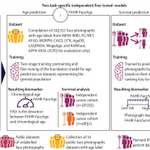
Researchers developed FAHR-Face, an AI foundation model trained on 40M+ facial photographs and fine-tuned for two distinct tasks:
🔹FAHR-FaceAge: estimates biological age from facial images
🔹FAHR-FaceSurvival: predicts mortality risk in patients with cancer
In clinical validation, patients in the highest FAHR-FaceSurvival risk quartile had over 3× the mortality hazard of those in the lowest. The two models captured complementary prognostic information, and combining them improved risk prediction.
Could AI-powered facial analysis offer a scalable, non-invasive approach to cancer risk stratification?
#AI #ArtificialIntelligence #CancerResearch #PrecisionMedicine

🚨#FDA Approval Update | Could #immunotherapy help some patients with rectal cancer avoid #chemotherapy, radiation and surgery?
The FDA has granted accelerated approval to #Jemperli (#dostarlimab), a PD-1 inhibitor, for adults with previously untreated stage II/III locally advanced rectal cancer that is mismatch repair-deficient (#dMMR) or microsatellite instability-high (#MSI-H).
🔬In the Phase 2 AZUR-1 trial, around 71% of the 154 patients avoided additional treatment after Jemperli alone, with a median follow-up of over 2 years.
The approval highlights the potential of biomarker-guided immunotherapy to reshape treatment strategies. Longer follow-up is needed to confirm the durability of responses.
🔗Read more: fda.gov/news-events/press-an…
🧪Explore dostarlimab for research use from MedChemExpress: medchemexpress.com/dostarlim…
#ColorectalCancer #Immunotherapy #Oncology

🧬Research Spotlight | 🤰How does the placenta shape pregnancy health and disease?
The maternal–fetal interface relies on precisely coordinated communication between fetal-derived trophoblasts and maternal cells, including immune modulation and vascular remodeling.
💡Spatial multimodal atlases, AI-driven analyses, and in vitro placental models are advancing our understanding of gene regulation, cellular interactions, and placental dysfunction.
By integrating tissue-level insights with biofluid profiling, researchers aim to identify clinically relevant biomarkers, predict adverse pregnancy outcomes earlier, and pave the way for precision interventions.
📰Read more: nature.com/articles/s41576-0…
#GeneRegulation #DevelopmentalBiology #MaternalFetalInterface #PregnancyResearch #MultiOmics #AIinScience

🧬Research Spotlight | What does brown fat reveal about human health?
A Nature study analyzed health records from 101243 patients to investigate the clinical associations of brown adipose tissue (BAT), which burns energy to generate heat.
✔️Detectable BAT was associated with a lower prevalence of cardiovascular and psychiatric diseases.
📊In approximately 8700 patients: higher BAT activity (particularly in the axillary depot) was associated with lower odds of cardiometabolic disease and healthier white fat distribution.
🔹People with detectable BAT showed more favorable glycaemic parameters, lipid profiles, inflammatory markers and echocardiographic indices.
These observational findings reveal links between BAT and cardiometabolic health, but do not establish that BAT directly causes these benefits.
#BrownAdiposeTissue #Metabolism #AdiposeTissue #CardiometabolicHealth

🧬Research Spotlight | How does #TET2 suppress antitumor immunity after #radiotherapy?
A new Cancer Cell study reveals that radiotherapy activates a p53–TET2 axis in myeloid cells. TET2 reduces m⁵C levels on chromatin-associated RNAs (caRNAs), suppressing IRF3–type I IFN signaling and favoring immunosuppressive myeloid cell differentiation.
🔬TET2 inhibition preserves caRNA m⁵C–MBD6 signaling, restores chromatin accessibility and IFN activation, and promotes antigen-presenting myeloid-derived activating cells (MDACs). These cells enhance CD8⁺ T-cell antitumor responses.
The findings highlight myeloid reprogramming as a strategy to potentiate radiotherapy and PD-L1 blockade, with effects on both primary and metastatic tumors.
📰Read more: doi.org/10.1016/j.ccell.2026…
🧪Explore research tools targeting TET2 from MedChemExpress: medchemexpress.com/Targets/t…
#MDACs #CancerResearch #Immunology #Radiotherapy

💊FDA Approvals | Notable Drugs in #Immunology & #Inflammation
From immune deficiencies to autoimmune and inflammatory diseases, drug development continues to expand therapeutic options across diverse disease areas.
🆕First FDA Approvals
Explore newly approved active ingredients and their associated diseases:
• #Zilurgisertib (Atebrioz) — Fibrodysplasia Ossificans Progressiva (FOP)
• #Brepocitinib (Lisraya) — Dermatomyositis
• #Atacicept-vymj (Trutakna) — IgA Nephropathy
• #Veligrotug-vvze (Lumvoa) — Thyroid Eye Disease (TED)
• #Difamilast (Adquey) — Atopic Dermatitis
🔄New Indications & Age Expansions
Discover how previously approved drugs are reaching new patient populations or addressing additional conditions:
• #Leniolisib (Joenja) — Expanded pediatric use for Activated PI3Kδ Syndrome (APDS)
• #Obinutuzumab (Gazyva) — Idiopathic Nephrotic Syndrome
• #Nipocalimab-aahu (Imaavy) — Warm Autoimmune Hemolytic Anemia (wAIHA)
• #Ustekinumab (Stelara) — Pediatric Crohn’s Disease and Ulcerative Colitis
• #Remibrutinib (Rhapsido) — Symptomatic Dermographism
🧬From PI3Kδ and JAK1/TYK2 to FcRn and BTK, explore the molecular targets behind these therapeutic advances. Swipe through for a quick overview of the drugs, their targets, and associated diseases.
🔬MedChemExpress offers a broad range of in-stock research reagents, compound libraries, and custom services to support your immunology and inflammation research. ow.ly/UoY650ZXWV5
#FDA #DrugApprovals #DrugDiscovery #PharmaceuticalResearch

🚨#FDA Approval Update | Expanding options for bladder cancer research
The FDA has expanded the indication for #Anktiva (nogapendekin alfa inbakicept-pmln) in combination with BCG to include adults with BCG-unresponsive non-muscle-invasive bladder cancer (#NMIBC) with high-grade papillary-only tumors.
📊The FDA extrapolated QUILT-3.032 data in CIS (62% complete response rate in 77 Cohort A patients; 58% and 40% maintained responses for ≥12 and ≥24 months, respectively) to high-grade papillary disease based on histological and risk similarities, marking a new approach to bladder cancer regulation.
🔗Read more: fda.gov/drugs/resources-info…
🧪Explore Nogapendekin alfa for research use from MedChemExpress: medchemexpress.com/nogapende…
#BladderCancer #Oncology #CancerResearch

🏆Nobel Prize 2026 | #Optogenetics
How can light help us understand the brain?
By combining genetic targeting with light stimulation, optogenetics enables precise neuronal control to uncover causal links between neural circuits, behavior, cognition, and disease.
In our latest review, explore:
💡The molecular basis and mechanisms of optogenetics
🧪Core experimental tools and research strategies
🧠Key applications, from neural circuit analysis to emerging translational advances
As optogenetic tools continue to evolve, rigorous experimental design and functional validation remain essential for translating light-evoked responses into meaningful biological insights.
🔗Read the full review: ow.ly/tao150ZXrHB
#NobelPrize #Neuroscience #NeuralCircuits #MedChemExpress

🚨#FDA Approval Update | First once-monthly subcutaneous olanzapine for #Schizophrenia
The FDA has approved #WELTRUZA (#olanzapine), developed by Teva, as an extended-release injectable suspension for adults with schizophrenia.
What makes it notable?
💉Once-monthly subcutaneous administration
✅No loading doses or oral supplementation required
⏱️No post-injection monitoring required
📊In the Phase 3 SOLARIS trial, WELTRUZA demonstrated improvements in schizophrenia symptoms, illness severity, and personal and social functioning.
⚠️Reported adverse events included weight gain, somnolence, headache, constipation, and injection-site reactions.
Explore olanzapine for research use from MedChemExpress: medchemexpress.com/Olanzapin…
#FDAApproval #Schizophrenia #Neuroscience #DrugDevelopment

🎨Science Visuals | West Nile Virus (WNV): A #Mosquito-Borne Virus Under Close Watch
According to ECDC, as of September 30, 2026, 16 European countries had reported locally acquired #WNV infections, with a total of 1,765 human cases.
🦟How does it spread?
WNV spreads mainly through infected mosquito bites and circulates between birds and mosquitoes. It is not spread through everyday human contact, although rare transmission through blood transfusions, organ transplants, and from mother to child has been reported.
🧠What are the symptoms?
About 70–80% of infected people develop no symptoms. Others may experience fever, headache, and muscle aches. In rare cases, WNV can cause severe neurological complications, including encephalitis and meningitis.
🛡️How can we prevent infection?
Use insect repellent, wear long sleeves and trousers, install window screens, and remove standing water.
There is currently no #vaccine licensed for human use or specific antiviral treatment approved for WNV. Care is supportive, and diagnosis may involve tests for virus-specific antibodies or viral RNA.
🧪MedChemExpress offers research tools for #virology, innate immunity, and #neuroinflammation to support studies of virus–host interactions: ow.ly/t7SV50ZW9Co)
#WestNileVirus #AntiviralResearch

🎗️Breast Cancer Awareness Day
🔬A new review in The Journal of Clinical Investigation highlights a spectrum of immune activity across tumor subtypes.
🔹Triple-negative breast cancer (#TNBC) has shown important responses to immune checkpoint inhibitors
🔹Some hormone receptor-positive (HR+)/#HER2-negative tumors may also exhibit meaningful immune activity
🔹Tumor-infiltrating lymphocytes (TILs), PD-L1 and other biological factors may help identify patients more likely to benefit from immunotherapy
💡Understanding tumor–immune interactions to better guide patient selection and expand research opportunities. This #BreastCancerAwarenessDay, we stand with the research community working toward a deeper understanding of breast cancer.
📖Read the review: jci.org/articles/view/207634
🧪Explore breast cancer-related research tools from MedChemExpress: medchemexpress.com/disease-a…
#BreastCancer #BreastCancerAwareness #CancerResearch #Immunotherapy #TumorMicroenvironment

At MedChemExpress, we offer:
🧪4800+ breast cancer-related products across 500+ targets.
medchemexpress.com/disease-a…
🧰An anti-breast cancer compound library featuring 3400+ compounds with potential anti-breast cancer activity, detailed bioactivity data, and validated purity for HTS/HCS drug discovery.
medchemexpress.com/screening…
Explore our resources for breast cancer research!

🚨#FDA Approval Update | First treatment approved for symptomatic dermographism
The FDA has approved #Rhapsido (#remibrutinib) for adults with symptomatic dermographism (#SD) whose symptoms are not adequately controlled by H1 antihistamines.
🔬SD is a form of chronic inducible urticaria in which scratching, rubbing, or friction can trigger itchy hives. Remibrutinib is an oral, highly selective Bruton’s tyrosine kinase (#BTK) inhibitor that blocks the BTK pathway involved in histamine release, a key driver of hives and swelling.
📊In the Phase III RemIND trial: "Twice as many adults taking Rhapsido achieved complete hive resolution by Week 12 vs placebo, with responses seen by Week 2"
With this approval, Rhapsido becomes the only treatment approved for both chronic spontaneous urticaria (CSU) and symptomatic dermographism (SD) in the U.S.
📰Read more: novartis.com/news/media-rele…
🧪Explore research-use Remibrutinib from MedChemExpress: medchemexpress.com/remibruti…
#FDAApproval #DrugDevelopment #SymptomaticDermographism #ChronicSpontaneousUrticaria
