

Hello! I'm Nurse Sarah. I'm an RN, happily married, and a mother to my two boys. I teach nursing lectures through my website, https://teapawt.net/t.co/lp5O1OF1fa
Joined June 2011
- Tweets5.1K
- Following525
- Followers13.2K
- Likes723




Nursing Student: Meds that CHANGE Urine Color
🟠Orange/Reddish-Orange:
Phenazopyridine (UTI)
Rifampin (TB)
Sulfasalazine (RA or IBD)
🟩Green: Propofol (anesthetic)
🔵🟩Blue-green:
Indomethacin (NSAID)
Amitriptyline (Tricyclic antidepressant)
🟫Brown:
Metronidazole (antibiotic)
🟡🟫 Yellow-brown:
Nitrofurantoin (antibiotic)
⚫🟫🔵🟩Brown, black, green, blue:
Methocarbamol (muscle relaxant)
🟡Neon Yellow:
Vitamin B2 (Riboflavin)
*Usually harmless, always rule out blood, dehydration, & liver problems.
#nursingschool #nclex #nursingstudent
Adult Numbers to MEMORIZE (Nursing School)
Urine = >0.5 mL/kg/hr (~30 mL/hr)
Hypoglycemia = <70 mg/dL
Bradycardia = <60 bpm
Tachycardia = >100 bpm
Hypotension: SBP <90 or MAP <65
HTN Crisis: SBP >180 and/or DBP >120
Bradypnea = <12 breaths/min
Tachypnea = >20 breaths/min
Hypoxia = <95% (COPD <88%)
Hypokalemia = <3.5 mEq/L
Hyperkalemia = >5 mEq/L
Hyponatremia = <135 mEq/L
Hypernatremia = >145 mEq/L
Ranges vary by context, orders, & protocols
#nursingschool #nursing #nurse #nclex
Nursing Students: Endocrine terms to MEMORIZE!
Goiter: enlarged thyroid gland
Hyperthyroidism: excess thyroid hormone
Hypothyroidism: insufficient thyroid hormone
Hyperparathyroidism: excess parathyroid hormone
Hypopituitarism: Reduced/low pituitary hormone production
Hyperglycemia: high blood glucose
Hypoglycemia: low blood glucose
Diabetes Mellitus: disease that impairs blood sugar regulation
Cushing Syndrome: Excess cortisol exposure
Addison Disease: Adrenal hormone deficiency
Acromegaly: Too much growth hormone
Diabetes Insipidus: excessive dilute urination
#nursingschool #nursing #nclex #endocrine #anatomy #education #study #nursingnotes #medicalterminology
Median healthcare salaries in the U.S. (2026) per the Bureau of Labor Statistics:
Radiation Therapist $105,310
Dental Hygienist $98,100
Registered Nurse $97,550
LPN / LVN $64,400
Respiratory Therapist $82,280
Physician / Surgeon $275,930
Medical Assistant $45,690
Phlebotomist $45,230
Radiologic & MRI Technologist $81,390
Physician Assistant $135,880
Nurse Practitioner $132,300
Occupational Therapist $100,330
Dental Assistant $48,070
Physical Therapist $102,760
EMT/Paramedic $48,150
#salary #healthcare #nursing #nurse #emt #income #nursingschool
Nursing Students: MEMORIZE These Urine Terms!
Proteinuria: Protein in the urine
Albuminuria: Albumin in the urine
Glycosuria: Glucose in the urine
Hematuria: Blood in the urine
Pyuria: Pus / WBCs in the urine
Crystalluria: Crystals in the urine
Oliguria: Abnormally low urine output
Anuria: Near absence of urine production
Polyuria: Excessive urine production
Nocturia: Waking during sleep to urinate
Dysuria: Painful or difficult urination
Incontinence: Involuntary leakage of urine
#nursing #nurse #nclex #nursingschool #nursingstudent
Nursing Students: MEMORIZE These Anatomy Numbers!
Adult bone count = 206
Newborn bone count = ~270
Pairs of ribs = 12
Heart chambers = 4
Heart valves = 4
Right lung = 3 lobes
Left lung = 2 lobes
Adult teeth = 32
Primary teeth in kids = 20
Chromosome pairs = 23
Cranial nerves = 12 pairs
Save this for Health Assessment!
#nursingschool #nursing #nurse #nclex #anatomy #nursesarah #nursingstudent
Respiratory Nursing Terms to Know for Nursing School & NCLEX:
Hypoxemia: low oxygen level in the blood
Hypoxia: low oxygen in tissues
Hypercapnia: high carbon dioxide in the blood
Apnea: breathing stops
Tachypnea: rapid breathing (>20 breaths per minute in adults)
Bradypnea: slow breathing (<12 breaths per minute in adults)
Eupnea: breathing is regular (12-20 breaths per minute in adults)
Atelectasis: lung tissue is collapsed or not expanding
Orthopnea: difficulty breathing while lying flat
Kussmaul: deep, rapid, labored breathing
#nursing #nurse #nursesarah #nursingschool #rn #lpn #study #education
Nursing Students: MEMORIZE These 4 Types of Wound Drainage
Serous = CLEAR
Clear or pale yellow fluid made primarily of blood plasma
Serosanguineous = PINK
Thin, watery, light pink fluid containing serum & blood
Sanguineous = RED
Drainage consisting of primarily of blood
Purulent = PUS
Thick, yellow, green, or brown drainage that usually indicates infection
TIP: Always monitor the amount, color, consistency, and odor of any drainage!
SAVE for your next nursing exam!
#nursingschool #NursingStudent
Nurse salary update (2026) from the Bureau of Labor Statistics (U.S. median salary):
Nursing Assistant Salary (CNA): $20.13 per hour; $41,870 per year
Licensed Practical Nurse Salary: $30.96 per hour; $64,400 per year
Registered Nurse Salary: $46.90 per hour, $97,550 per year
Nurse Practitioner Salary: 63.61 per hour; 132,300 per year
Nurse Midwife Salary: $64.44 per hour; $134,040 per year
Nurse Anesthetist Salary (CRNA): $113.75 per hour; 236,590 per year
#salary #income #nurse #nursing #nursesalary #nursingschool
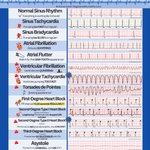
Memorize this for Nursing School: ECG/EKG Waveforms
*P Wave = atria contract (atria depolarize)
*QRS complex = ventricles contract (ventricles depolarize)
--atrial repolarization occurs too but hidden in QRS
*T wave = ventricles relax (ventricles repolarize)
Remember:
Depolarization = CONTRACTION
REpolarization = RElaxation
#nursing #nursingschool #nurse #ecg #ekg
Antibiotic Classes for Nursing School & NCLEX:
Nitroimidazoles = 🚫 ALCOHOL
Macrolides = ↑ QT interval (Torsades)
Sulfonamides = Stevens-Johnson syndrome & ↑ K+
Aminoglycosides = Kidney/Ear TOXIC
Penicillins = allergy
Cephalosporins = c. diff & allergy, cross-react w/ PCN
Tetracyclines = 🚫 antacids/iron/calcium, photosensitive, 🚫 kids/pregnancy
Fluoroquinolones = tendon rupture
Vancomycin = infusion reaction (give SLOW)
Lincosamides = c.diff risk
Linezolid = serotonin syndrome
#nursing #nurse #nclex #pharmacology #nursingschool #nursesarah
It's very normal to feel overwhelmed while in nursing school.
But a few years from now, you'll look back and be so happy you stuck with it.
Don't give up! You're almost there 💜
#nursingschool #nursingstudent
Nursing Student KNOW These 5 Antidotes for Nursing School
1. Warfarin = Vitamin K (warfarin toxicity)
2. Heparin = Protamine sulfate (Heparin toxicity)
3. Opioids = Naloxone (opioid toxicity)
4. Benzodiazepines = Flumazenil (benzo toxicity)
5. Acetaminophen = Acetylcysteine (Tylenol overdose)
Save this for your next pharmacology exam!
#nursingschool #nursingstudent #nclex
4 "NEVER Do This" Med Rules for Nursing Students
-NEVER give potassium IV PUSH
-NEVER mix long-acting insulin with any other insulin
-NEVER hang blood with any fluid other than 0.9% Normal Saline
-NEVER crush time-released or enteric-coated meds
#nursing #nursingschool #nurse #nclex #study
DON'T Confuse These Nursing Anatomy Terms!
Pronation = palms DOWN
Supination = palms UP -Think of the "up" in sUPination
Plantarflexion: toes DOWN -feet PLANTED on the floor Dorsiflexion: toes UP toward shin
Flexion: DECREASE joint angle (bending)
Extension: INCREASE joint angle (straight out)
Abduction: AWAY from midline
Adduction: TOWARD the midline -ADDing to the body
SAVE this for your next anatomy exam!
#nursing #nursingschool #nurse #nclex
4 Ostomies Every Nursing Student Must Know!
1. Ileostomy (Ileum)
-Output: continuous liquid
-Risks: dehydration, electrolyte imbalance, blockage, skin breakdown
2. Jejunostomy (Jejunum)
-Main use: feeding via j-tube (rarely fecal diversion)
-Risk: skin breakdown
3.Colostomy (Colon)
Output: liquid to formed (more solid near rectum)
Bowel training: descending/sigmoid can be irrigated
4. Urostomy (Urinary Tract)
-Output: continuous urine
-Risks: UTI, skin breakdown
#nursing #nclex #nursingschool #nurse
5 Cardiac Meds You Gotta Know in Nursing School
1. Digoxin: apical pulse for 1 FULL minute (hold if <60), ↓ K+ = toxicity risk
2. Lisinopril: ACE inhibitor, DRY cough, high K+, angioedema (airway emergency)
3. Nitroglycerin: ↓ BP, treats chest pain, do NOT give with ED meds (sildenafil)
4. Furosemide: Loop diuretic, easy bathroom access (void A LOT), ↓ K+ (may require supplementation), watch I&O's/BP
5. Metoprolol: Beta blocker, ↓ HR & BP, masks tachycardia during hypoglycemia
#nursing #nursingschool #nurse #nclex
Don't Confuse These Fowler's Positions in Nursing School
Low Fowler's: head of bed 15-30° -sleeping for some patients
Semi-Fowler's: HOB 30-45° -Tube feedings to help prevent aspiration
Fowler's: HOB 45-60° -Eating, drinking, easier breathing
High-Fowler's: HOB 60-90° -NG tube insertion
MEMORIZE the HOB ANGLES!
Note: Some sources group low and semi-Fowler's together (semi-Fowler's = 15-45°).
#nursing #nurse #nclex #nursingschool #nursingstudent
4 Things You MUST-KNOW about Opioids on Pharmacology Exams
1. Check respiratory rate, blood pressure, & level of consciousness
-↓ RR, ↓ BP, ↓ LOC, & pinpoint pupils = TOO MUCH opioid
2. Opioid toxicity = give antidote (NALOXONE)
3. Assess pt's bowel movements...can cause constipation!
-Stool softeners are helpful to take while taking opioids
4. Know which meds are opioids: Fentanyl (highly potent), Morphine, Tramadol (don't let the name fool you), Oxycodone, Hydromorphone etc.
#nursingschool #nursing #nurse #nclex #pharmacology