

Traditional Myanmar Costumes, Hairstyles & Festivals Through the Ages and Traditional Performing Arts and Dances 🌸 မြန်မာ့ရိုးရာဝတ်စားနှင့်ပြင်ဆင်မှုအနုပညာအကလှ
Joined October 2026
- Tweets172
- Following10
- Followers19
- Likes12






Please show some respect for your late king and queen. Instead of taking pride in what your own queen did for you, you keep wanting to claim things from Myanmar. Do you understand that this is disrespectful to your own king and queen?
2
31
အကုန်ရောချပြီးလန်နာလုပ်ရေသောက်မြစ်ဘယ်ကလာလည်းမလေ့လာပဲရေထွက်ပေါက်ကမူရင်းထင်နေတာနင်တို့မရှက်ဘူးလားYou claim everything as Lanna without knowing its true historical roots. You mistake where it spread for where it originated. Have you no shame?

ဒီလောက်သက်သေရှိတာကို မရှာဘဲနဲ့ ဖင်ပိတ်ပြီး ဝတ်တာနင်တို့မြင်လား culture shareတာပြောရအောင် ငါတို့ကနင်တို့ကိုပေးလို့လား စောက်အဓိပ္ပာယ်မရှိတာ shareချင်ရင် ကမ္ဘောဒီးယားနဲ့လဲshareကြလေ သူများဟာကshare shareနဲ့လိုချင်နေတာ သူတို့ဟာကျမshareချင် တော်တော်တရားကျဖို့ကောင်းတယ် #MyanmarCulture
Our Mother, Daw Aung San Suu Kyi, proudly wore Myanmar Acheik around the world because it is ours. We don't secretly copy others' heritage and claim it as our own decades later.🇲🇲🇲🇲
That is also a traditional Myanmar lion sculpture, a work of Myanmar craftsmanship. Thailand has invited Myanmar artisans to carve it. Don't claim it as Thai heritage afterward.

@The Tradition of Placing Lion Statues at the Entrances of Pagodas, Stupas, and Temples in Myanmar
The placement of lion statues at the main entrances and entrance pavilions of pagodas, stupas, and temples in Myanmar carries deep historical, religious, and cultural significance rooted in the beliefs and traditions of Myanmar Buddhists.
1. The Legend of King Thihanu and the Eradication of Karmic Consequences
According to ancient legends and historical folklore, King Thihanu was descended from the union of a princess of the Wun Pulin King and a lion king.
It is said that, later in his life, he accidentally killed his own father, the lion king, and consequently suffered from various misfortunes, including severe headaches, as a result of the unwholesome karma caused by this act.
According to traditional beliefs, lion statues were established near pagodas and religious monuments as symbols of courage and protection, associated with the idea of overcoming the consequences of this wrongdoing.
Therefore, people believe that placing lion statues at the entrances of religious sites helps guard and protect sacred Buddhist grounds against evil spirits, malevolent beings, and various dangers.
2. The Sacred Power of the Buddha and Royal Court Traditions
In Myanmar’s royal history and palace traditions, the highest symbol of royal authority and power was represented by the Thihathana Throne (Lion Throne), which was adorned with lion motifs.
For this reason, placing lion statues at the entrances through which devotees enter pagodas and religious monuments reflects the architectural traditions of the Myanmar royal courts.
It symbolizes the supreme nobility of the Buddha as the greatest spiritual sovereign and represents the sacred power, dignity, and magnificence of the Buddha.
3. Symbols of Protection for the Buddhist Sasana
Among animals, the lion is regarded as a powerful and courageous creature, often described as the king of the forest.
For this reason, pairs of lion statues are traditionally placed at the entrances of pagodas, stupas, and temples to symbolize guardianship and protection of Buddhist religious sites, as well as the strength, stability, and authority of the Buddha’s teachings.
According to Myanmar’s ancient cultural heritage and traditional beliefs, placing lion statues at the entrances of pagodas is not merely an expression of religious devotion. It is also deeply connected with architectural traditions, royal customs, and traditional worldly beliefs.
The distinctive cultural beliefs of the Myanmar people can be understood through the following meanings:
Protection of Buildings and Prevention of Danger (Traditional Worldly Beliefs): Myanmar people regard the lion as a symbol of bravery, great strength, power, and protection.
Courage, Loyalty, and Reverence: In ancient Myanmar traditions, the lion was regarded as a creature that demonstrated extraordinary courage and loyalty toward its master or whoever it respected.
The appearance of lion statues bowing before the Buddha symbolizes the deep Buddhist devotion and reverence of the Myanmar people. It represents lions respectfully paying homage to the Buddha’s supreme virtues while courageously standing guard and offering protection.
4. The Artistic Heritage of Myanmar’s Painters and Sculptors
In ancient Myanmar art, particularly sculpture and stone-carving craftsmanship, creating lifelike and magnificent lion sculptures was regarded as a remarkable achievement of artistic skill and craftsmanship.
To make the entrances of pagodas and religious monuments look majestic and magnificent, while inspiring admiration and appreciation among visitors, Myanmar artists traditionally decorated and embellished these entrances with authentic Myanmar-style lion sculptures.
With enduring respect for historians and historical researchers.
Note: This English version follows the original order and content of the Myanmar social media post, preserving its historical, 🇲🇲🇲🇲


Colorizing old Myanmar photographs..Myanmar's national heritage belongs exclusively to Myanmar. I call upon our ancestors as witnesses.🇲🇲🇲🇲
8
151
Myanmar's traditional attire throughout the ages. Stop calling it Lanna.Please show respect for the late King and QueenThe late Queen herself had already submitted Thai textiles to UNESCO. So why are you still claiming Myanmar's traditional attire as your own?
#Myanmar National
These are traditional Myanmar cultural heritages passed down from our ancestors. Stop rebranding them as Lanna culture and claiming them as Thai heritage. Please show some respect for your late King and Queen.
#This is Myanmar national dress🇲🇲
Stop claiming Myanmar’s traditions and culture as your own. Don’t you have any creativity to develop your own culture? Are you trying to take what belongs to others because you’re ashamed of your own culture?Original Myanmar Heritage🇲🇲
Proudly wearing Myanmar’s own heritage. Don’t call it Lanna without historical evidence.The beauty of Myanmar women’s traditional attire at the Myanmar Kathina Festival.🇲🇲🇲🇲
2
13
ဘိုဘေးတွေကိုတိုင်တည်ပါတယ်စောင့်ရှောက်တော့မူကြပါ🙏🙏🙏

Stop it culture appropriation of Myanmar heritage
#ScarletHeartUllavee
#myanmarculture
#myanmartraditionaldress
#acheik
1
42
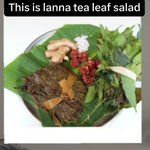
Don't claim this is Lanna food. This is traditional Myanmar cuisine. Look closely at the two dishes; there are many differences between them.
That is Myanmar Laphet Thoke 🇲🇲🇲🇲


Myanmar traditional clothing and Acheik are exclusively Myanmar heritage. Please stop stealing and misappropriating Myanmar culture.🇲🇲🇲🇲
Aren’t you ashamed of appropriating Myanmar’s traditional culture? Why not create your own Thai designs instead of claiming Myanmar’s heritage? Stop it. Enough is enough!Myanmar culture, Myanmar heritage, and traditional Myanmar attire.🇲🇲🇲🇲


Myanmar people wear Myanmar Acheik and Pathein Htee in daily life, at religious and charitable occasions. They are our own cultural heritage. Let the world know, see, and hear that they belong to Myanmar.
13
Let the world know about Myanmar culture and Myanmar’s traditional charity and donation ceremonies.🇲🇲🇲🇲
You can't even sew the hem of a htamein, yet you proudly claim it as your own. Aren't you ashamed? Are you jealous because Myanmar has so much of its own cultural heritage? You want to claim everything as yours. This is going too far!🇲🇲🇲🇲
26
Let the world know, see, and hear that Acheik Taing Htaung is originally Myanmar's traditional heritage🇲🇲အချိတ်ထိုင်မသိမ်းဆိုတာမြန်မာမူပိုင်ဆိုတာကမ္ဘာကသိစေမြင်စေကြားပါစေ..ဘိုးဘေးတို့အားတိုင်တည်ပါတယ်🙏🇲🇲