

PhD Virologist turned science writer. Fighting misinformation w/ fully sourced episodes on infectious diseases. Public health is inherently political.
Joined August 2014
- Tweets50.2K
- Following2.5K
- Followers4.9K
- Likes79.2K

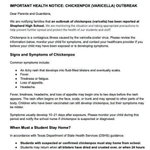





It could have, yes. But in BC rabies is not sustained in skunks…they can transmit it but it burns out. Sequencing of rabies found in skunks in BC usually shows they were infected with bat lineages.
The Infectious Dose Podcast retweeted

My husband spent 10 days creating this short 3D cartoon using Maya + Claude, bringing my original 2015 vaccine comic book to life! 🎬🦠
And this is his very first attempt! 🥹👏
Voice-over from my little 9-yo niece, Nuna.
How many ❤️ can we get for their hard work with just one tweet? (on the original YouTube, please)
Come on, X, show him some love! 🚀
#EndPolio #vaccineswork
youtube.com/watch?v=KZL2Xuzy…

The Infectious Dose Podcast retweeted

Today is World Polio Day
Polio used to maim and kill millions
It doesn't anyone more
Anyone guess why?
I'll give you a clue
Vaccines


The Infectious Dose Podcast retweeted
📍. 🧵👇
🚨🚨

A scientist arrives in a remote Carpathian village to investigate an outbreak of Crimean-Congo hemorrhagic fever.
Her host is a respected physician. His patients adore him. His records raise questions.
And the ticks?
The ticks are very, very wrong.
🎧 Now playing
7/
Ongoing circulation in dairy cattle creates opportunities for human exposure and that means more chances for mutations that could increase transmissibility between people.
Animal and human surveillance need to work together.
6/
This is why H5N1 surveillance can't stop with testing livestock.
Protecting dairy workers requires appropriate PPE, access to testing, prompt identification of symptoms, and monitoring after exposure.
That helps detect human infections & limits further spread.
5/
There is no reported evidence of human-to-human transmission in this case.
Health officials are monitoring the patient's close contacts for symptoms.
The risk to the general public remains low, but people working closely with infected animals face greater exposure risks.
4/
The patient's exposure to infected cattle is established, but officials have not identified the precise route of infection.
H5N1 can infect people when virus enters the eyes, nose, or mouth through exposure to infected animals or contaminated environments.
3/
On October 15, the Yakima Health District confirmed that a county resident exposed to infected dairy cattle had tested positive for avian influenza.
The patient has not experienced severe illness, has not been hospitalized, and is isolating at home.
yakimacounty.us/3226/Avian-I…
The increase was fast:
Oct. 8: 2 infected herds
Oct. 15: 3 infected herds
Oct. 16: 8 infected herds
Before October 8, Washington had conducted more than 7,000 surveillance tests over two years without detecting H5N1 in cattle.
I covered this in my last Outbreak Watch episode.
🚨H5N1 bird flu is emerging in Washington's dairy cattle.
On Oct 8, the state confirmed its first 2 infected dairy herds.
By Oct 16, that number had reached 8, all in Yakima County.
Officials have also confirmed a human infection linked to exposure to infected cattle. 🧵