

The official account of the permanent delegation of the state of Qatar to #UNESCO | الحساب الرسمي للوفد الدائم لدولة قطر لدى اليونسكو
Paris, France
Joined October 2019
- Tweets965
- Following253
- Followers1.1K
- Likes86
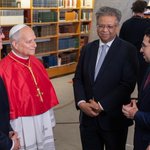
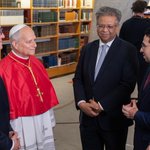
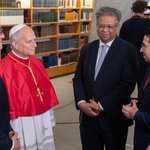

Le Président du Conseil Exécutif de l'UNESCO rencontre Sa Sainteté le Pape Léon XIV au siège de l'UNESCO et souligne l'importance du droit à l'éducation, du dialogue et de la lutte contre les discours de haine
Paris, le 25 septembre 2026
Son Excellence le Dr Nasser bin Hamad AL-HINZAB, Président du Conseil Exécutif de l'UNESCO, a accueilli Sa Sainteté le Pape Léon XIV à son arrivé au siège de l'UNESCO à Paris, aux côtés de Son Excellence le Dr Khaled EL-ENANY, Directeur Général de l'UNESCO, et de Son Excellence M. Khondker M. TALHA, Président de la Conférence Générale. Cet événement historique marque la première visite papale au siège de l'UNESCO depuis plus de quarante ans.
Cette visite revêt une importance particulière, puisqu'il s'agit de la première depuis la visite historique du Pape Jean-Paul II au siège de l'UNESCO en 1980. Elle constitue une étape importante dans le dialogue et la coopération en cours et réaffirme les valeurs partagées de paix, de dignité humaine, d'éducation et de compréhension interculturelle et interreligieuse.
Dans un message adressé à Sa Sainteté à cette occasion, Son Excellence le Dr Nasser AL-HINZAB a déclaré : «C'est un grand honneur pour moi d'accueillir Votre Sainteté à l'UNESCO pour cette visite historique. À l'heure où notre monde est confronté à l'incertitude et à l'escalade des conflits et des divisions, votre présence parmi nous porte un message d'espoir et nous rappelle de l'importance de l'écoute mutuelle, de la préservation de notre humanité commune et de la défense des valeurs qui nous unissent».
Son Excellence a souligné que cette visite revêt une signification particulière pour lui, étant originaire de l'État du Qatar, qui accorde une grande importance au dialogue, au respect mutuel et à la promotion de la compréhension entre les religions et les cultures. Il a souligné que ce moment offre l’occasion de réaffirmer ce qui peut être accompli lorsque la communauté internationale privilégie le dialogue à la division et la compréhension à l’exclusion.
Il a conclu son message à Sa Sainteté le Pape en exprimant l'espoir que cette visite historique contribuerait à renforcer l'engagement commun en faveur du dialogue, de l'éducation, de la dignité humaine et de la paix, et à renouveler la détermination à lutter contre le racisme et la discrimination, à protéger le droit de chaque enfant à l'éducation et à veiller à ce que personne ne soit laissé pour compte en raison de son identité, de son origine ou de ses convictions.
La visite de Sa Sainteté le Pape Léon XIV avait commencé par la bibliothèque de l'Organisation où s'est tenue une réunion bilatérale, avant de se poursuivre par la découverte des salles, des jardins et d'une exposition d'œuvres d'art liées à la paix.
La visite s'est conclue par un discours de Sa Sainteté à la communauté internationale et à la famille de l'UNESCO, en présence des Délégués permanents des États Membres, des Ambassadeurs de bonne volonté de l'UNESCO et de nombreux hauts fonctionnaires, personnalités religieuses et diplomates.
Dans son allocution, Sa Sainteté le Pape a abordé plusieurs enjeux contemporains, notamment l'intelligence artificielle, la jeunesse, la paix et le dialogue interreligieux. Il a insisté sur l'importance de protéger les jeunes à l'ère de l'IA et dans l'environnement numérique, ainsi que sur la nécessité de préserver le patrimoine religieux et de promouvoir le dialogue et la compréhension entre les religions et les cultures. Cette visite historique a été l'occasion de réaffirmer l'importance de placer l'être humain et sa dignité au cœur des transformations technologiques et culturelles rapides, et le rôle essentiel que jouent l'éducation, la culture et le dialogue dans la construction de la paix, le rapprochement des peuples et la sauvegarde de l'avenir des générations futures.
#unesco
#PopeLeoXIV
#forthepeople
#QatarAtUN
@Pontifex
@HinzabH
@UNESCO
@EXBChairperson


The Chairperson of the UNESCO Executive Board meets His Holiness Pope Leo XIV at UNESCO Headquarters and highlights the importance of the right to education, dialogue, and the fight against hate speech
Paris, 25 September 2026
His Excellency Dr. Nasser bin Hamad Al-Hinzab, Chairperson of the Executive Board of UNESCO, welcomed His Holiness Pope Leo XIV upon his arrival at UNESCO Headquarters in Paris, alongside His Excellency Dr. Khaled El-Enany, Director-General of UNESCO, and His Excellency Mr. Khondker M. Talha, President of the General Conference. This historic event marks the first papal visit to UNESCO Headquarters in over forty years.
The visit holds special significance, as it is the first since the historic visit of Pope John Paul II to UNESCO Headquarters in 1980. It represents a significant milestone in ongoing dialogue and cooperation, reaffirming shared values of peace, human dignity, education, and intercultural and interfaith understanding. His Excellency Dr. Nasser Al-Hinzab welcomed His Holiness the Pope, emphasizing that his presence at UNESCO - amidst challenges, conflicts, and divisions - conveys a message of hope to the international community and reminds us of the importance of listening to one another, preserving our shared humanity, and upholding the values that unite peoples.
In a message addressed to His Holiness on this occasion, His Excellency stated: "It is a great honor for me to welcome Your Holiness to UNESCO for this historic visit". "At a time when our world faces uncertainty and escalating conflict and division, your presence among us carries a message of hope and reminds us of the importance of listening to one another, preserving our shared humanity, and upholding the values that unite us."
He also devoted a significant part of his message to education and the future of coming generations, underscoring that the international community’s shared responsibility extends to the children and young people who will inherit the world currently being shaped.
The visit of His Holiness Pope Leo XIV included several stops at UNESCO Headquarters, beginning with the Organization's library - where a bilateral meeting took place - and continuing with a tour of the halls, gardens, and an exhibition of artworks dedicated to peace.
The visit concluded with an address by His Holiness to the international community and the UNESCO family, attended by Permanent Delegates of Member States, UNESCO Goodwill Ambassadors, and numerous senior officials, religious figures, and diplomats.
In his address, His Holiness the Pope touched upon several contemporary issues, notably artificial intelligence, youth, peace, and interfaith dialogue. He emphasized the importance of protecting young people in the age of AI and the digital environment, as well as the need to preserve religious heritage and promote dialogue.
#unesco
#PopeLeoXIV
#forthepeople
#QatarAtUN
@Pontifex
@HinzabH
@UNESCO
@EXBChairperson


رئيس المجلس التنفيذي لليونسكو يلتقي بقداسة بابا الفاتيكان ليون الرابع عشر في اليونسكو ويؤكد على أهمية الحق في التعليم والحوار ومكافحة خطاب الكراهية
باريس 25.09.2026
استقبل سعادة الدكتور/ ناصر بن حمد الحنزاب، رئيس المجلس التنفيذي لمنظمة الأمم المتحدة للتربية والعلم والثقافة «اليونسكو»، قداسة البابا ليون الرابع عشر، بابا الفاتيكان، لدى وصوله إلى مقر المنظمة في باريس، إلى جانب سعادة الدكتور/ خالد العناني، المدير العام لليونسكو، وسعادة السيد/ خوندكر محمد طلحة، رئيس المؤتمر العام، وذلك في زيارة تاريخية هي الأولى للبابا إلى مقر اليونسكو منذ أكثر من أربعة عقود.
وتكتسب الزيارة أهمية خاصة، إذ تأتي للمرة الأولى منذ الزيارة التاريخية للبابا يوحنا بولس الثاني إلى مقر اليونسكو عام 1980، لتشكل محطة بارزة في مسيرة الحوار والتعاون، وتجدد التأكيد على القيم المشتركة المرتبطة بالسلام والكرامة الإنسانية والتعليم والتفاهم بين الثقافات والأديان.
ورحّب سعادة الدكتور/ ناصر بن حمد الحنزاب بقداسة البابا، مؤكداًأن حضوره في اليونسكو، في ظل ما يشهده العالم من تحديات ونزاعات وانقسامات، يحمل رسالة أمل إلى المجتمع الدولي، ويذكّر بأهمية الإصغاء إلى الآخر، وصون الإنسانية المشتركة، والتمسك بالقيم التي تجمع الشعوب وتوحّدها.
وقال سعادته في رسالة وجّهها إلى قداسة البابا بهذه المناسبة: «إنه لشرف عظيم أن أرحب بقداستكم في منظمة اليونسكو في هذه الزيارة التاريخية. وفي وقت يواجه فيه عالمنا حالة من عدم اليقين وتصاعد النزاعات والانقسامات، يحمل حضوركم بيننا رسالة أمل، ويذكّرنا بأهمية الإصغاء إلى بعضنا البعض، وصون إنسانيتنا المشتركة، والتمسك بالقيم التي تجمعنا وتوحّدنا».
وأشار سعادته إلى أن هذه المناسبة تحمل بالنسبة إليه دلالة خاصة بصفته قادماً من دولة قطر، التي تولي أهمية كبيرة للحوار والاحترام المتبادل وتعزيز التفاهم بين الأديان والثقافات، مؤكداً على أن هذه اللحظة تتيح فرصة لتجديد التأكيد على ما يمكن تحقيقه عندما يختار المجتمع الدولي الحوار بدلاً من الانقسام، والتفاهم بدلاً من الإقصاء.
وشدد رئيس المجلس التنفيذي لليونسكو على ضرورة تكثيف الجهود الدولية لمواجهة العنصرية والتمييز والتعصب والكراهية بمختلف أشكالها، لما تمثله من مساس بالكرامة الإنسانية وإضعاف للروابط التي تجمع المجتمعات.
وخصّ سعادة الدكتور/ الحنزاب قضية التعليم والأجيال المقبلة بجانب أساسي من رسالته، مؤكداً على أن المسؤولية المشتركة للمجتمع الدولي تمتد إلى الأطفال والشباب الذين سيرثون العالم الذي يُصنع اليوم.
وشدد على أن التعليم ليس مجرد حق أساسي من حقوق الإنسان، بل يمثل أحد أقوى الأسس التي يُبنى عليها السلام، الأمر الذي يضع على عاتق المجتمع الدولي مسؤولية حماية هذا الحق، ولا سيما بالنسبة للأطفال والشباب الذين تهدد النزاعات أو النزوح أو الفقر أو الأزمات قدرتهم على مواصلة تعليمهم.
واختتم سعادة/ رئيس المجلس التنفيذي لليونسكو رسالته إلى قداسة البابا بالتعبير عن تطلعه إلى أن تسهم هذه الزيارة التاريخية في تعزيز الالتزام المشترك بالحوار والتعليم والكرامة الإنسانية والسلام، وتجديد العزم على مواجهة العنصرية والتمييز، وحماية حق كل طفل في التعليم، وضمان ألا يُترك أحد خلف الركب بسبب هويته أو أصله أو معتقده.
وشملت زيارة قداسة البابا ليون الرابع عشر عدداً من المحطات في مقر اليونسكو، واستُهلت من مكتبة المنظمة، حيث عُقد اجتماع ثنائي، قبل أن تتواصل في أروقة اليونسكو وحدائقها ومعرض للأعمال الفنية المرتبطة بالسلام.
واختُتمت الزيارة بخطاب لقداسة البابا أمام المجتمع الدولي وأسرة اليونسكو، بحضور المندوبين الدائمين للدول الأعضاء، وسفراء اليونسكو للنوايا الحسنة، وعدد من كبار المسؤولين والشخصيات الدينية والدبلوماسية.
وتناول قداسة البابا في خطابه عدداً من القضايا المعاصرة، وفي مقدمتها الذكاء الاصطناعي والشباب والسلام والحوار بين الأديان، مؤكداً على أهمية حماية الشباب في عصر الذكاء الاصطناعي وفي البيئة الرقمية، إلى جانب ضرورة صون التراث الديني وتعزيز الحوار والتفاهم بين الأديان والثقافات.
ومثّلت الزيارة التاريخية مناسبة لإعادة التأكيد على أهمية وضع الإنسان وكرامته في صميم التحولات التكنولوجية والثقافية المتسارعة، وعلى الدور المحوري الذي يضطلع به التعليم والثقافة والحوار في بناء السلام، وتقريب الشعوب، وصون مستقبل الأجيال المقبلة.
#الخارجية_القطرية
#قطر_في_الأمم_المتحدة
#اليونسكو
#السلام
#unesco #PopeLeoXIV
#forthepeople
#QatarAtUN
@Pontifex
@HinzabH
@UNESCO
@EXBChairperson


592
اجتمعت الدكتورة/ نوف خالد السويدي، أمين عام اللجنة الوطنية القطرية للتربية والثقافة والعلوم، خلال مشاركتها في أعمال "أسبوع التعلم الرقمي لعام 2026" في مقر اليونسكو بباريس، بكل من السيدة/ مين جيونج كيم، مدير قسم جدول أعمال التعليم 2030، والسيدة/ فيدا حبش، رئيس وحدة اللجان الوطنية والزمالات، والسيد/ راسم فضيل، مساعد برامج في وحدة التراث الوثائقي، وتم خلال الاجتماعات مناقشة الموضوعات ذات الاهتمام المشترك وإمكانية تعزيز سبل التعاون بين اللجنة الوطنية واليونسكو.
While participating at the "Digital Learning Week 2026" at UNESCO headquarters in Paris, Dr. NofeAl-Suwaidi, Secretary-General of the Qatar National Commission for Education, Culture and Science, met with Ms. Min Jeong Kim, Director of Division for Education 2030; Ms. Vida Habash, Head of the National Commissions and Fellowships Unit; and Mr. Rassem Foudhail, Programme Assistant at the Documentary Heritage Unit. The meetings focused on topics of mutual interest and explored ways to strengthen cooperation between the National Commission and UNESCO
Lors de sa participation à la « Semaine de l'apprentissage numérique 2026 » au siège de l'UNESCO à Paris, La Dr. Nofe AL SUWAIDI, Secrétaire Générale de la Commission Nationale du Qatar pour l'éducation, la culture et les sciences, s'est entretenue avec Mme Min Jeong Kim, Directrice de la Division pour l'agenda éducation 2030, Mme Vida Habash, Cheffe de l'Unité des Commissions Nationales et des Bourses, et M. Rassem Foudhail, assistant de programme au sein de l'Unité du Patrimoine Documentaire. Ces réunions ont porté sur des sujets d'intérêt commun et ont permis d'explorer les moyens de renforcer la coopération entre la Commission nationale et l'UNESCO
@UNESCO


1
106
Le Qatar a participé à la semaine de l’apprentissage numérique, organisée au siège de l’Unesco du 8 au 11 septembre 2026 sous le thème « L’éducation à l’ère de l’intelligence artificielle : faits, frictions, frontières ».
À cette occasion, une délégation représentant le Qatar a été présidée par Dr. Nofe AL SUWAIDI, Secrétaire Général de la Commission nationale qatarienne pour l’éducation, la culture et les sciences, et composée de représentants du Ministère de l’Éducation et de l’Enseignement Supérieur, ainsi que du Ministère des Communications et des Technologies de l’Information.
Les différentes sessions ont porté sur les transformations rapides que connaît le secteur de l’éducation à l’ère de l’IA, ainsi que sur les opportunités et les défis liés à l’essor des connaissances générées par l’IA. Les échanges ont également permis d’examiner les moyens de saisir les effets des technologies d’IA sur les systèmes éducatifs.
Parmi les principales thématiques abordées figuraient l’utilisation de l’IA au service de l’intérêt général, la souveraineté numérique, ainsi que les approches communautaires et locales dans le domaine de l’éducation.
Les participants ont également analysé les pratiques internationales de la transformation numérique et les moyens de tirer parti des nouvelles technologies pour améliorer la qualité de l’éducation, élargir l’accès à celle-ci et renforcer la capacité des systèmes éducatifs à répondre aux enjeux de demain.
La Semaine de l’apprentissage numérique a constitué une plateforme internationale majeure d’échange d’expériences et de perspectives entre les États, les décideurs politiques, les experts et les professionnels du secteur. Elle a également contribué à renforcer l’action collective visant à garantir que l’équité et l’intérêt général demeurent au cœur de l’avenir de l’éducation. L’événement a offert un espace privilégié pour des échanges interactifs consacrés à l’élaboration des politiques, des outils et des ressources nécessaires à une utilisation responsable et efficace de l’IA et des technologies numériques.
Par ailleurs, les discussions ont souligné l’importance de développer la pensée critique, de mettre en place des cadres de gouvernance et des politiques encadrant l’utilisation de l’IA dans l’éducation, de renforcer les compétences numériques des enseignants et des apprenants, ainsi que de favoriser la coopération internationale et le partage des expertises. Ces orientations sont essentielles pour promouvoir une éducation numérique inclusive, sûre et équitable, respectueuse des principes éthiques et des droits des apprenants, tout en préservant le rôle central de l’être humain dans le processus éducatif.
La participation de l’État du Qatar à cet événement international s’inscrit dans le cadre de ses efforts continus visant à accélérer la transformation numérique de l’éducation, à développer les compétences et à renforcer l’inclusion numérique. Elle a également permis de mettre en valeur les expériences et les bonnes pratiques nationales, tout en favorisant l’échange avec la communauté internationale et la découverte des dernières tendances en matière d’utilisation de l’IA et des technologies émergentes dans le domaine de l’éducation.
Cette participation témoigne par ailleurs de l’engagement du Qatar en faveur du développement d’un écosystème d’éducation numérique sûr, inclusif et durable, ainsi que du renforcement de la coopération avec l’UNESCO et ses États membres dans ce domaine. Ces efforts s’inscrivent pleinement dans les orientations de la Vision Nationale du Qatar 2030, notamment en matière de développement humain, d’innovation et de construction d’une économie fondée sur la connaissance, tout en contribuant à préparer les générations futures aux exigences et aux évolutions de l’avenir.
@UNESCO


Qatar took part in UNESCO Digital Learning Week 2026, held at UNESCO Headquarters in Paris from 8 to 11 September under the theme “Education in the Age of Artificial Intelligence: Facts, Frictions, Frontiers.”
The Qatari delegation was led by Dr. Nofe Al Suwaidi, Secretary-General of the Qatar National Commission for Education, Culture and Science, and brought together representatives from the Ministry of Education and Higher Education and the Ministry of Communications and Information Technology.
The week provided an opportunity to explore how AI is reshaping education and to consider both the opportunities it offers and the challenges it presents. Discussions addressed the growing role of AI-generated knowledge, its impact on education systems, and the policy and governance frameworks needed to ensure that these technologies are used responsibly and effectively.
Among the key issues discussed were the use of AI for the public good, digital sovereignty, and community-based and locally grounded approaches to education. Participants also exchanged views on international developments in digital transformation and explored ways in which emerging technologies can be harnessed to improve access to education, the quality of learning, and strengthen the resilience of education systems for the future.
Digital Learning Week brought together policymakers, experts, practitioners, and representatives of Member States to share experiences, perspectives, and innovative approaches. It provided a valuable platform for international dialogue on how to ensure that equity and the public interest remain at the heart of the future of education.
The discussions also highlighted the importance of strengthening critical thinking, establishing governance and policy frameworks for the use of AI in education, enhancing the digital skills of teachers and learners, and fostering international cooperation and knowledge-sharing. These priorities are essential to building digital education systems that are inclusive, safe, equitable, and ethically grounded, while ensuring that people remain at the centre of the learning process.
Qatar’s participation reflects its continued commitment to advancing the digital transformation of education, developing future-ready skills, and promoting digital inclusion. The event also offered an opportunity to showcase Qatar’s national experiences and good practices, while engaging with international partners and gaining insight into emerging trends in the use of AI and new technologies in education.
Qatar’s engagement in Digital Learning Week further demonstrates its commitment to building a safe, inclusive, and sustainable digital education ecosystem and to strengthening cooperation with UNESCO and its Member States. These efforts are closely aligned with the Qatar National Vision 2030, particularly its priorities in human development, innovation, and the development of a knowledge-based economy.
Through its continued engagement in international dialogue and cooperation, Qatar seeks to contribute to shaping an education landscape that is better equipped to embrace technological change while ensuring that innovation serves learners, educators, and society as a whole.
@UNESCO


اختُتمت في مقر منظمة الأمم المتحدة للتربية والعلم والثقافة (اليونسكو) في باريس أعمال "أسبوع التعلم الرقمي 2026"، الذي عُقد خلال الفترة من 8 إلى 11 سبتمبر 2026 تحت شعار "التعليم في عصر الذكاء الاصطناعي: حقائق، احتكاكات، آفاق جديدة"، حيثُ شارك وفد من دولة قطر، برئاسة السيدة/ نوف خالد السويدي، أمين عام اللجنة الوطنية القطرية للتربية والثقافة والعلوم، ومشاركة ممثلين عن وزارة التربية والتعليم والتعليم العالي، ووزارة الاتصالات وتكنولوجيا المعلومات.
وتناولت جلسات الأسبوع التحولات المتسارعة التي يشهدها التعليم في عصر الذكاء الاصطناعي، وما تطرحه المعرفة المُولَّدة اصطناعياً من فرص وتحديات، إلى جانب سبل التعامل مع التأثيرات التي تحدثها تقنيات الذكاء الاصطناعي في النظم التعليمية. كما ناقشت الجلسات عدداً من القضايا ذات الأولوية، من بينها توظيف الذكاء الاصطناعي للصالح العام، والسيادة الرقمية، والمقاربات المجتمعية والمحلية في التعليم، فضلاً عن أبرز الاتجاهات العالمية في مجال التحول الرقمي وسبل توظيف التقنيات الحديثة بما يسهم في الارتقاء بجودة التعليم، وتوسيع فرص الوصول إليه، وتعزيز جاهزية النظم التعليمية للمستقبل.
وشكّل أسبوع التعلم الرقمي منصة دولية مهمة لتبادل الخبرات والرؤى بين الدول وصنّاع السياسات والخبراء والمختصين، وتعزيز العمل المشترك من أجل ضمان أن يظل الإنسان والإنصاف والمصلحة العامة في صميم مستقبل التعليم. كما أتاح المجال للمشاركة في حوارات تفاعلية حول تطوير السياسات والأدوات والموارد اللازمة للاستفادة من الذكاء الاصطناعي والتقنيات الرقمية بصورة مسؤولة وفعالة.
وأكدت المناقشات أهمية تعزيز التفكير النقدي، وتطوير أطر الحوكمة والسياسات المنظمة لاستخدام الذكاء الاصطناعي في التعليم، وبناء القدرات الرقمية للمعلمين والمتعلمين، وتعزيز التعاون الدولي وتبادل الخبرات، بما يدعم توفير تعليم رقمي شامل وآمن ومنصف، ويراعي الأبعاد الأخلاقية وحقوق المتعلمين، ويحافظ على الدور المحوري للإنسان في العملية التعليمية.
وتأتي مشاركة دولة قطر في هذا الحدث في إطار جهودها المتواصلة لتطوير التحول الرقمي في التعليم، وتنمية المهارات وتعزيز الشمول الرقمي، وإتاحة الفرصة لاستعراض التجارب والممارسات الوطنية والاطلاع على أحدث التوجهات الدولية في توظيف الذكاء الاصطناعي والتقنيات الحديثة في التعليم. كما تعكس المشاركة ما توليه الدولة من اهتمام بتطوير منظومة تعليمية رقمية آمنة وشاملة ومستدامة، وتعزيز التعاون مع اليونسكو والدول الأعضاء في هذا المجال، بما ينسجم مع رؤية قطر الوطنية 2030 وتوجهاتها في التنمية البشرية والابتكار وبناء اقتصاد قائم على المعرفة، ويسهم في تعزيز جاهزية الأجيال القادمة لمتطلبات المستقبل.
@UNESCO


«The Crossing» : la réalité des attaques contre l’éducation au siège de l’UNESCO
Paris, le 9 septembre 2026
À l’occasion de la 7ème Journée internationale pour la protection de l’éducation contre les attaques, la Délégation Permanente de l’État du Qatar, en coordination avec l’UNESCO et la Fondation Education Above All, a organisé l’événement «The Crossing» au siège de l'UNESCO le 9 septembre. Cette manifestation a mis en lumière la multiplication des attaques visant les écoles à travers le monde ainsi que l'urgence de protéger l'éducation en temps de crise.
La commémoration de cette année, placée sous le thème «L’éducation peut-elle survivre aux attaques ? La résilience des communautés humaines», a été inaugurée en présence du Directeur Général de l'UNESCO, S.E. le Dr Khaled EL-ENANY, des Délégués Permanents des États Membres, des partenaires et de la communauté élargie de l’UNESCO. L’objectif était d’attirer l’attention sur la hausse des attaques contre l’éducation et sur les efforts des communautés déterminées à maintenir l’apprentissage malgré les conflits.
Dans son allocution d’ouverture, S. E. le Dr Nasser Bin Hamad AL HINZAB, Président du Conseil exécutif et Délégué Permanent de l’État du Qatar auprès de l’UNESCO, a rendu un hommage particulier à Son Altesse Sheikha Moza Bint Nasser. Grâce à son leadership de longue date et à travers la Fondation Education Above All qu’elle a créée, Son Altesse a fait de la protection de l’éducation, en particulier dans les situations de conflit et de crise, une cause internationale majeure.
Il a également rappelé que l'Assemblée générale des Nations Unies, à l'initiative de l'État du Qatar, avait adopté une résolution proclamant le 9 septembre « Journée internationale de la protection de l'éducation contre les attaques ». Depuis lors, cette journée constitue une plateforme essentielle pour maintenir la protection de l'éducation au premier plan de l'agenda international et pour susciter une attention et une mobilisation accrues à l'échelle mondiale.
Il a ajouté qu'en 2022, le siège de l'UNESCO avait accueilli la cérémonie de haut niveau marquant cette Journée internationale, en partenariat avec le Qatar et la fondation Education Above All, Son Altesse Sheikha Moza figurait alors parmi les voix éminentes appelant à une action renforcée pour protéger l'éducation. Quatre ans plus tard, cet appel s'est traduit par des décisions concrètes au sein de l'UNESCO. En 2024, par sa décision intitulée « Protéger l'éducation contre les attaques », le Conseil exécutif a appelé à l'élaboration d'un « plan d'action préventif » et a reconnu le rôle crucial de l'UNESCO dans la prévention des attaques contre l'éducation et la protection de celle-ci. Enfin, en avril 2026, ce processus a franchi une étape importante avec l'approbation, par le Conseil exécutif, du «Plan d'action préventif de l'UNESCO pour protéger l'éducation contre les attaques». Ce plan offre à l’UNESCO un cadre global pour soutenir les États membres avant, pendant et après les crises, en articulant prévention, préparation, intervention et relèvement. Au nom du Conseil exécutif, il a réaffirmé l’engagement à soutenir la mise en œuvre du Plan d’action préventive et à inscrire résolument la protection de l’éducation au cœur de l’action de l’UNESCO en situation de crise.
Le Directeur Général de l’UNESCO, le Dr Khaled EL-ENANY, a souligné le message saisissant véhiculé par l’œuvre «The Crossing» (La Traversée) : «Ce qui devrait symboliser un passage sûr montre au contraire à quel point le chemin vers l’éducationest devenu dangereux pour des millions d’enfants et de jeunes à travers le monde». Il a appelé à une action collective renforcée pour protéger l’éducation, mettant en avant le Plan d’action préventif de l’UNESCO pour protéger l’éducation contre les attaques, adopté par le Conseil exécutif plus tôt cette année.
#UniteToProtect


“The Crossing” brings the reality of attacks on education to UNESCO Headquarters
Paris, September 9, 2026
On the occasion of the 7th International Day to Protect Education from Attacks, the Permanent Delegation of the State of Qatar, in coordination with @UNESCO and Education Above All Foundation,organized "The Crossing" at UNESCO headquarters on September 9th. The event highlighted the rising number of attacks targeting schools worldwide and the urgent need to protect education during times of crisis.
This year’s commemoration, under the theme “Can Education Survive Attack? The Resilience of Human Communities,” was launched with the presence of the Director-General of the organization HE Dr.Khaled El-Enany, Permanent Delegates of Member States, partners and the wider UNESCO community to draw attention to the rising number of attacks on education and the efforts of communities determined to keep learning going despite conflict.
In his opening remarks, HE the Chairperson of the Executive Board and Permanent Delegate of the State of Qatar to UNESCO, Dr. Nasser AL HINZAB payed a particular tribute to Her Highness SheikhaMoza bint Nasser. Through Her longstanding leadership and through Education Above All, which she founded, Her Highness has made the protection of education, particularly in situations of conflict and crisis, a defining international cause.
His Excellency mentioned that it was at the initiative of the State of Qatar that the United Nations General Assembly adopted the resolution establishing 9 September as the International Day to Protect Education from Attack. The Day has since provided an important platform for keeping the protection of education high on the international agenda and for mobilizing greater international attention and action.
His Excellency added that in 2022, UNESCO Headquarters hosted the high-level observance of this International Day, in partnership with Qatar and @EAA_Foundation with Her Highness SheikhaMoza among the distinguished voices calling for stronger action to protect education. Four years later, the call for action has been translated into concrete decisions within UNESCO. In 2024, through its Decision on “Protect education from attack,” the Executive Board called for the development of a preventative Plan of action and recognized UNESCO’s critical role in preventing and protecting education from attack. Finally, in April 2026, that process reached an important milestone with the Executive Board’s approval of UNESCO’s Preventative Plan of Action to Protect Education from Attack. The Plan provides UNESCO with a comprehensive framework to support Member States before, during and after crises, bringing together prevention, preparedness, response and recovery.
His Excellency reaffirmed, on behalf of the Executive Board, the commitment to support the implementation of the Preventative Plan of Action and to keep the protection of education firmly within UNESCO’s action in situations of crisis and conflict.
HE Director-General of UNESCO, Dr. Khaled El-Enany reflected on the stark message conveyed by “The Crossing”: “What should symbolize safe passage instead shows how much more dangerous the path to education has become for millions of children and young people around the world.” He called for greater collective action to protect education, highlighting UNESCO’s Preventative Plan of Action to Protect Education from Attack, adopted by the Executive Board earlier this year.
#UniteToProtect


" ممر المشاه" ينقل واقع الهجمات على التعليم إلى مقر اليونسكو
باريس، 9 سبتمبر 2026
بمناسبة اليوم الدولي السابع لحماية التعليم من الهجمات، نظّم الوفد الدائم لدولة قطر لدى اليونسكو، بالتنسيق مع منظمة اليونسكو، ومؤسسة التعليم فوق الجميع فعالية "ممر المشاه" في مقر اليونسكو بتاريخ 9 سبتمبر، والذي يُسلط الضوء على تزايد أعداد الهجمات التي تستهدف المدارس حول العالم، وعلى الحاجة الملحة لحماية التعليم في أوقات الأزمات.
وقد تم تدشين هذه الفعالية، التي أقيمت تحت شعار "هل يمكن للتعليم أن ينجو من الهجمات؟ مرونة المجتمعات البشرية"،بحضور سعادة الدكتور/ خالد العناني - المدير العام لليونسكو وأصحاب السعادة المندوبين الدائمين للدول الأعضاء والشركاء ومجتمع اليونسكو، لتسليط الضوء على تصاعد الهجمات التي تستهدف التعليم، وعلى جهود المجتمعات لاستمرار التعليم رغم النزاعات.
وفي الكلمة الافتتاحية لسعادة الدكتور/ ناصر بن حمدالحنزاب، رئيس المجلس التنفيذي والمندوب الدائم لدولة قطر لدى اليونسكو، توجه بتحيّة خاصة لصاحبة السمو الشيخة موزا بنت ناصر؛ فمن خلال قيادتها الراسخة ومبادرة "التعليم فوق الجميع" التي أسستها، جعلت سموها من حماية التعليم، لاسيما في حالات النزاع والأزمات، قضية دولية جوهرية.
كما أشار سعادته إلى أن الجمعية العامة للأمم المتحدة اعتمدت، بمبادرة من دولة قطر، القرار الذي يحدد يوم 9 سبتمبر يوماً دولياً لحماية التعليم من الهجمات. وقد شكل هذا اليوم منذ ذلك الحين منصة هامة لإبقاء قضية حماية التعليم في صدارة الأجندة الدولية، ولحشد المزيد من الاهتمام والتحرك الدوليين.
وأضاف سعادته بأن مقر اليونسكو استضاف في عام 2022 فعاليات رفيعة المستوى لإحياء هذا اليوم الدولي، بالشراكة مع دولة قطر ومؤسسة "التعليم فوق الجميع"، حيث كانت صاحبة السمو الشيخة موزا بنت ناصر من بين الأصوات البارزة التي دعت إلى اتخاذ إجراءات أقوى لحماية التعليم. وبعد أربع سنوات، تُرجمت هذه الدعوة إلى قرارات ملموسة داخل اليونسكو؛ ففي عام 2024، دعا المجلس التنفيذي، من خلال قراره بشأن "حماية التعليم من الهجمات"، إلى وضع خطة عمل وقائية، وأقر بالدور الحيوي لليونسكو في الوقاية من الهجمات على التعليم وحمايته منها. وأخيراً، في أبريل 2026، بلغت هذه العملية محطة هامة بموافقة المجلس التنفيذي على "خطة عمل اليونسكو الوقائية لحماية التعليم من الهجمات". وتوفر هذه الخطة لليونسكو إطاراً شاملاً لدعم الدول الأعضاء قبل الأزمات وأثناءها وبعدها، حيث تجمع بين عناصر الوقاية والتأهب والاستجابة والتعافي.
وجدد سعادته، باسم المجلس التنفيذي، الالتزام بدعم تنفيذ خطة العمل الوقائية وإبقاء حماية التعليم ركيزة أساسية في عمل اليونسكو خلال حالات الأزمات والنزاعات.
"إن ما كان ينبغي أن يرمز إلى العبور الآمن، يكشف بدلاً من ذلك عن مدى تزايد خطورة الطريق إلى التعليم بالنسبة لملايين الأطفال والشباب حول العالم". بهذه العبارة علّق سعادة الدكتور/ خالد العناني، المدير العام لليونسكو، على فعالية "ممر المشاه" وعلى الرسالة القوية التي تجسدها، كما دعا إلى تعزيز العمل الجماعي لحماية التعليم، مسلطاً الضوء على "خطة عمل اليونسكو الوقائية لحماية التعليم من الهجمات"، التي اعتمدها المجلس التنفيذي في وقت سابق من هذا العام.
#معاً_لحماية_التعليم


