

Forgotten Stories• Historic Moments • Rare Discoveries • Facts •News • Entertainment • New history content daily
Everywhere
Joined August 2026
- Tweets1.9K
- Following4.3K
- Followers5.1K
- Likes1.1K
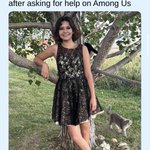




In 2025, 15-year-old Kylie Arellano disappeared from Garden City, Utah. Her search lasted over 500 days.
Cut off from the outside world in Huntington, Oregon, she had no cell service, but found a way to connect online using a phone with local Wi-Fi.
Unable to call 911, Kylie used the online game Among Us to connect with another teen. They moved their conversation to another messaging platform, where she secretly revealed she was held captive and shared crucial details.
The player immediately told their parents, who then alerted law enforcement. On November 1, 2026, authorities raided the property, arrested a suspect, and brought Kylie safely home after more than 16 months in captivity.
#TrueStory #KylieArellano #AmongUsRescue


Remember the "Star Fucks" coffee, "Pizza Huh," and the legendary "Michaelsoft Binbows"? These blatant brand knockoffs created some truly surreal storefronts in retail history.
Some started as deliberate parodies or phonetic wordplay, like the Japanese used-computer shop named after "binbo" (the Japanese word for poor or budget). But many emerged from rapid commercial booms where local businesses quickly mimicked the visual identity of multibillion-dollar global giants.
In China, this phenomenon grew so large it earned its own cultural term: "shanzhai." Originally meaning bandit mountain strongholds beyond imperial control, the phrase evolved to describe a whole subculture of bootleg electronics, fashion outlets, and fast-food storefronts. Shop owners often tweaked a single letter, inverted a logo, or blended rival trademarks. They exploited the high legal costs and bureaucratic hurdles foreign corporations faced in pursuing intellectual property claims.
Over the past decade, intellectual property reforms, international trademark disputes, and corporate litigation have wiped out most of these copycat storefronts. Today, surviving photos of these brazen brand clones are nostalgic time capsules from an era when retail branding was like the Wild West.
#KnockoffBrands #Shanzhai #RetailHistory


Peter Ushie retweeted

Peller was opening what he bought and Jarvis was forming nonchalant… Peller sabi tease him wife 😂
Peter Ushie retweeted
"Crayon is dragging Rema for not helping him, but people fail to understand, you can't help someone to make it in life if it isn't their time to make it yet. I brought my childhood friend to Lagos, bought him a phone, gave him accommodation and asked him to hustle on TikTok but he still didn't make it" — Peller

It's fascinating to look into the science behind daily walking. There's so much to learn about its benefits.
#DailyWalking #Science

It's fascinating to look into the science behind daily walking. There's so much to learn about its benefits.
#DailyWalking #Science


It's fascinating to look into the science behind daily walking. There's so much to learn about its benefits.
#DailyWalking #Science


