

This account has zero original content. i reply to people with gifs. why do you follow me? i is 26. twitter be like that sometimes huh
in my room
Joined March 2017
- Tweets1.9K
- Following2.8K
- Followers184
- Likes2.5K


Reloadz_V2 retweeted

🚨🚨
You can change your name as many times as you like
Infest every friend group you can
But some people who you're trying to fool are ones I care about so your past will be known you fucking NONCE.
Nisha~ is Ooha/Oatha and they are a manipulator and a pedo.


Reloadz_V2 retweeted

Can u imagine terrorists tryin to hijack a plane that the WWE crew was on? Box cutters vs the craziest mofos on the planet? Game over jihad.
Reloadz_V2 retweeted

Behind the scenes footage of Jeremy Clarkson voicing Harv for the UK version of Cars (2006) ❤️


Reloadz_V2 retweeted
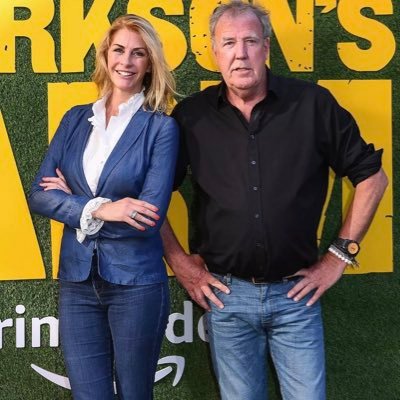
The original Top Gear that launched in 1977 was a useful programme. The 2002 reboot, cooked up by Clarkson and producer Andy Wilman, was something else: a studio with a live crowd, a mute racing driver in a white suit called The Stig, celebrities sent around a track in a “reasonably priced car,” and three presenters who treated cars as punchlines, characters and passports.
When James May replaced Jason Dawe in series two, the chemistry locked. Clarkson was the loud, power-obsessed ringmaster. Hammond was the sharp witted, enthusiastic hamster who would try anything. May was Captain Slow, the pedant with the soul of an engineer. Their arguments weren’t bits. They felt like three mates who actually liked each other and enjoyed winding each other up. The show became a sitcom that happened to have supercars in it.
Cars stopped being appliances. They became the excuse for “how hard can it be?” challenges, £1,500 sports cars that immediately exploded, races against trains and boats and planes, and specials that sent three middle-aged men across Botswana, Vietnam, Bolivia, Patagonia and the Arctic. The cinematography - helicopter shots, dusk light, engines echoing off mountains - made a car show look like cinema. People who had never cared about torque curves suddenly cared about whether Hammond would survive the next cheap-car challenge.
The numbers were absurd -
In the UK it regularly pulled six million-plus viewers and peaked near seven or eight million. At its height it was the BBC’s most valuable commercial property, worth tens of millions a year in overseas sales, DVDs, tours and merch. The UK version was sold into 170-plus countries. BBC figures put the cumulative worldwide audience around 350 million people - not every week, but over the life of the show, an astonishing reach for a programme that started as a poky little motoring magazine.
Sunday night became a ritual. Families who couldn’t name a camshaft still sat down together. Kids who would never own a Veyron learned what one sounded like. People in countries with no British TV tradition quoted “POWERRRR,” “Oh, cock,” and “Some say…” as if they were local slang.
They invented the template everyone still copies -
Look at YouTube car culture. Cinematic reviews. Personality-first presenting. Budget road trips with mates. “We bought three terrible cars and drove them across a continent.” That whole language exists because Clarkson, Hammond and May made it look like the most fun job on earth, years before every 22-year-old had a gimbal and a channel. Writers have argued, not unreasonably, that for a generation they mattered more to car enthusiasm than many of the great manufacturers. Ask a random person to name someone famous associated with cars. They will not say Enzo Ferrari. They will say Jeremy Clarkson.
They also made loving cars socially normal. You didn’t have to be a garage hermit. You could be a bloke who liked engines and jokes and scenery. The specials doubled as travel films. A lot of people booked flights to Vietnam or Botswana because three idiots on BBC Two made the world look reachable.
The impact wasn’t just ratings. It was companionship. For more than a decade, millions of people had three familiar voices in the living room every week. Bad day? Cheap-car challenge. Need wonder? Polar special. Need to laugh at human incompetence? Almost any episode. The friendship on screen - real enough that it survived crashes, controversies, a BBC firing and a move to Amazon - made the show feel like hanging out with people you knew.
They were messy. They caused diplomatic incidents. They said things that would not survive a modern compliance meeting. That is part of why they felt like television from a different era: three men who were allowed to be large, rude, authentic, sentimental and ridiculous in the same hour. When they finally signed off from The Grand Tour, it really did feel like the end of something that television no longer quite knows how to make.



Reloadz_V2 retweeted

You know the "you drive into the back of my car and it's very funny" joke?
Oh, you want me to drive into him?
No. I'll cut your (BLEEP) head off.
You will need a beep there, BBC Two.
#TopGear


Reloadz_V2 retweeted

Watching Optimus swoop in and 1v10 the decepticons was a canon event for every guy in 2011


Reloadz_V2 retweeted

It’s still Twitter.
It’s still the Kennedy Center.
It’s still Lake Ontario.
It’s still the Department of Defense.
It’s still the Gulf of Mexico.
And Donald Trump is still a pedophile.
Reloadz_V2 retweeted


ALT Quote by Prime Minister Mark Carney: The name Lake Ontario comes from the Wendat word Ontari’io, which, appropriately, means “the lake is beautiful, the lake is big”. The name is more than 400 years old, predating both the Confederation of Canada and the Declaration of Independence of the United States of America. We know that America is changing. Their trading relationships, their foreign policies, their national monuments, their hydronyms. Canadians also know that naming reality means calling it Lake Ontario – then, now and always.
Reloadz_V2 retweeted

二人の思い出を手の中に
VRChatワールド「CatRing」は手作り指輪を作るためのワールドです。
指輪の外側にハンマーで跡を付けることで世界に一つだけの指輪を作成すること出来ます。
是非遊びに来てください🐈
ワールドURL:vrchat.com/home/world/wrld_8…


