

Computational social science “Fiat iustitia et pereat mundus!”
United States
Joined April 2024
- Tweets12.5K
- Following1.3K
- Followers1.7K
- Likes72.5K





Sabael333 retweeted

Not a day goes by without these Iranian Monarchists embarrassing everyone with the slightest connection to Iran.
Even some folks in the pro-Israel camp have had enough of their racism and fascism.
They're beyond disgraceful.
Sabael333 retweeted

وقتی عباس میلانی در گفتوگوی تازه با سیما ثابت رو به دوربین میگوید «تقریباً هرچه قبلاً دربارهی رضاشاه گمان میکردم میدانم، غلط بود»، با یک معرفی کتاب ساده طرف نیستیم؛ با یک بازنویسی تمامعیار سیاسی روبهرو هستیم.
پرسش اصلی اینجاست: مگر ما دربارهی کتیبههای گمشدهی دو هزار سال پیش حرف میزنیم؟ در تاریخ صد سال اخیر که اسناد وزارت خارجهی بریتانیا و آمریکا، مشروح مذاکرات مجلس و پروندههای دادگستری دهههاست علنی شدهاند، چه سندی تغییر کرده که عباس میلانیِ ۱۴۰۵ روی نوشتههای عباس میلانی ۱۳۹۲ خط بطلان میکشد؟
در این ویدیو، ادعاهای این مصاحبهی بدون چالش را در برابر اسناد قطعی تاریخ گذاشتهام:
۱. افسانهی «عدالت انتقالی»: مجری و مهمان به کار گرفتن فیروز میرزا نصرتالدوله را سند مدارا و نرنجاندن مخالفان معرفی میکنند، اما فیلم تاریخ را در سال ۱۳۰۴ قیچی میکنند تا نگویند همان نصرتالدوله در دی ۱۳۱۶ در تبعیدگاه سمنان خفه شد! صورتجلسات رسمی «دیوان کیفر کارکنان دولت» (۱۳۲۱) و «دادگاه جنایی تهران» (۱۳۲۲) دربارهی قتل تیمورتاش، سردار اسعد بختیاری (وزیر جنگ خود رضاشاه)، فرخی یزدی، مدرس و خودکشی علیاکبر داور را با هیچ خاطرهگویی تازهای نمیشود پاک کرد.
۲. چهار تخته قالی در برابر ۲۱۰۰ رقبه ملک شمال: فروختن روایت خوابیدن روی زمین و خرید چهار تخته فرش در بمبئی برای «اغراقآمیز» خواندن پروندهی املاک، در حالی است که پژوهشهای آن لمبتون، آبراهامیان و «قانون استرداد املاک مصوب مجلس سیزدهم» تصاحب بیش از ۱.۲ میلیون هکتار از مرغوبترین اراضی مازندران و گرگان با زور شهربانی را ثبت کردهاند؛ آن هم در مصاحبهای که خود میلانی ناخواسته اشاره میکند رضاشاه هنگام رفتن، تمام اموال داخل و خارجش را یکجا به ولیعهد سپرد.
۳. دوگانهی جعلی «چکمهی رضاشاه یا افغانستان»: تقلیل صد سال تاریخ ایران به نبرد میان «شیخ فضلالله نوری» و «تجدد رضاشاه»، پاک کردن آگاهانهی جریان سوم یعنی «قانون اساسی مشروطه» است. در کل ۶۷ دقیقه مصاحبه، حتی یک بار واژهی «عشایر» یا «تختهقاپو» شنیده نمیشود تا کسی نپرسد چرا به جای نوسازی ساختار متکثر «ممالک محروسه ایران» از مسیر قانونی انجمنهای ایالتی و ولایتی مشروطه (مشابه ادغام قانونی قدرتهای محلی در غرب)، راه قشونکشی داخلی انتخاب شد؛ مسیری که شکاف دولت و ملت و فروپاشی سهروزهی فرماندهی ارتش در شهریور ۱۳۲۰ را رقم زد.
پاسخ اینکه «امروز چه چیزی عوض شده» در دقیقهی ده خود مصاحبه نهفته است؛ جایی که میلانی صراحتاً روش قدرتگیری رضاخان را «درس بسیار روشن برای امروز ایران» معرفی میکند. ۱۵۶ نامهی دوران مدرسهی ولیعهد از سوئیس اسناد دادگستری را باطل نکرده؛ عینک سیاست روز است که برای آیندهی ایران نسخهی تمرکز قدرت فردی میپیچد.
ویدیوی کامل را همینجا ببینید و بگویید: این چرخش ۱۸۰ درجهای، تاریخنگاری است یا نوشتن مانیفست سیاسی به نرخ روز؟
#عباس_میلانی #رضاشاه #تاریخ_معاصر #مشروطه

در جستجوی رضاشاه | گفتگوی ویژهٔ سیما ثابت با عباس میلانی
رضاشاه را چقدر میشناسیم؟
«در جستجوی رضاشاه» کتاب تازهٔ دکتر عباس میلانی است؛ روایتی از زندگی رضاشاه بر پایهٔ سندها، نامهها و خاطرات.
در گفتگوی ویژه با سیما ثابت، میلانی از یافتههای این کتاب میگوید: رابطهٔ رضاشاه با قدرتهای خارجی، ماجرای راهآهن سراسری، نامههای او به پسرش، و قالیهای ایرانی که در تبعید هم از یادش نرفت. @milaniabbas
youtu.be/pLkHd-KId0M?si=xT0H… via @YouTube


Sabael333 retweeted

فهم اینکه چطور ممکن است یک نفر ایرانی باشد - و مخالف جمهوری اسلامی هم باشد - و بتواند چنین حرفهایی بزند از تصور آدمیزاد خارج است. این ورطهای بود که مرتضی کاظمیان در آن سقوط کرد.

Sabael333 retweeted
It must be very liberating for Reza Pahlavi.
Now that everyone knows that he is backed by the country that aims to "bomb Iran back to the stone age," he no longer has to hide his treason.
Makes me think of all the times he and his supporters ferociously denied any relationship with Israel...

It was a great honor to speak alongside Prince @PahlaviReza in a special webinar hosted by the Chaim Herzog Center for Middle East Studies and Diplomacy at @bengurionu with Professor @DanielChamovitz and Minister @GilaGamliel.
This dialogue is another chapter in the ancient friendship between the Persian and Jewish peoples that lives on today.
As Prince Reza Pahlavi so rightly stated, the tyrannical Iranian regime is an existential threat to Israel, the Middle East, Europe, and the entire world. It brutally oppresses its own people, spreads terror around the entire globe, and is the primary obstacle to peace in our region.
Take a look at the video of this special event:
Sabael333 retweeted

BREAKING: NEW YORK TIME GETS COMMUNITY NOTED!
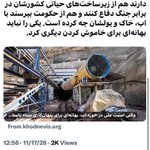
The New York Times has been community noted following their utterly abysmal response to their disgusting article published recently that clearly sought to manufacture consent for strikes on Iran’s water infrastructure and dams.
In responding to the OVERWHELMING criticism that article received, The New York Times PR team released a statement that doubled down on the article and actively BLAMED readers, calling them “dangerous” for identifying that this article was establishing the pretext for future American military strikes.
Immediately following the release of this article, almost every expert that was quoted in the piece immediately condemned its implied conclusion, and it is abundantly clear that the journalists, Sanam Mahoozi and Erika Solomon, deliberately misled these individuals, seeking to launder their professional reputations to lend credibility to the article whose own author when initially promoting the piece to X, acknowledged that there was “no conclusion evidence”.
In a viral post yesterday, I called for the immediate retraction of this article from The New York Times, and for a public apology to be made to their readers, as well as a condemnation of the implication that water infrastructure should fall under dual-use infrastructure in a future U.S. bombing campaign.
I also followed up with an email to Nicole Taylor herself this morning.
Taking a page from The New York Times’ own playbook, I too will double down:
@nytimes and @NYTimesPR:
Immediately move to retract this piece, issue an apology to your readers, and condemn the implication that water infrastructure should fall under dual-use categorization.

Sabael333 retweeted

آقای خوانسارینیا، شما دیگه چرا؟!
@khansarinia
شما که در آمریکا بزرگ شدید، قاعدتاً میدونید که برای سؤال پرسیدن و مطالبهگری نیازی به داشتن ملیت خاصی نیست. چرا ایشون باید حتماً ایرانی باشه تا بتونه سؤال بپرسه؟
از اون مهمتر، چطور انتظار دارید از محل مالیات مردم آمریکا بودجه دریافت کنید، اما حاضر نیستید به همون مردم پاسخگو باشید؟
این پست تاکنون بیش از نیم میلیون بازدید داشته و در فضای آمریکا در حال انتشاره.
خلاصه خواستم بگم این خود شمایید که اول خاک رو بر سر خودتون میریزید. فردا روز دیگران رو مقصر ندونید!


Sabael333 retweeted

اهل حاشیه نیستم، اما…
امروز اتفاقی متوجه شدم که من و نیکآهنگ کوثر دیگر یکدیگر را در توییتر دنبال نمیکنیم، در حالی که تا همین دیروز همدیگر را فالو داشتیم. دلیلش را نمیدانم، بهخصوص اینکه تا جایی که به خاطر دارم، توهینی هم به شخص ایشان نکردهام.
بگذریم! همین موضوع باعث شد سری به صفحه ایشان بزنم و با نکته جالبتری مواجه شوم.
آقای کوثر صبح روز انتشار مقاله نیویورکتایمز، ساعت ۶:۱۴ صبح به وقت غرب آمریکا، لینک مقاله را منتشر کرد و با افتخار نوشت که در این تحقیق از او نقلقول شده و پرسشهایی که سالهاست مطرح میکند، سرانجام دارند توجه گستردهتری جلب میکنند.
از لحن توییت کاملاً پیداست که انتشار این مقاله را اتفاقی مثبت و نوعی تأیید برای پیگیریهای چندینساله خود تلقی کرده است.
اما چند ساعت بعد، ساعت ۱۱:۵۰ صبح به وقت غرب آمریکا، پس از بالا گرفتن اعتراضها به مقاله، در توییتی دیگر بر مخالفت قاطع خود با هرگونه حمله به زیرساختهای غیرنظامی تأکید کرد!
مسئله این نیست که این دو موضع لزوماً با یکدیگر تناقض دارند.
مسئله این است که چرا بعضی موضعگیریها ظاهراً با میزان تشویق و اعتراض دیگران تغییر میکنند؟
گویا تا پیش از آنکه شماری از شهروندان آگاه، دغدغهمند و نگران نسبت به محتوای این مقاله و پیامدهای خطرناک احتمالی آن اعتراض کنند، آقای کوثر نهتنها انتقادی به آن نداشت، بلکه با رضایت از انتشارش استقبال کرده بود.
اما همین که موج انتقادها بالا گرفت و مشخص شد ماجرا آنقدرها هم افتخارآمیز نیست، ناگهان نوبت به اعلام مخالفت قاطع با حمله به زیرساختهای غیرنظامی رسید!
پرسش من ساده است: مگر خود ایشان توانایی خواندن و ارزیابی مقالهای را که در آن از او نقلقول شده، نداشت؟ حتماً باید چند شهروند نگران نسبت به محتوای آن و پیامدهای احتمالیاش هشدار میدادند تا ایشان هم ضرورت اعلام موضع را احساس کند؟
مگر برای تشخیص خطرناک بودن روایتی که میتواند، خواسته یا ناخواسته، دستاویزی برای توجیه حمله به زیرساختهای حیاتی یک کشور شود، حتماً باید ابتدا موجی از اعتراضهای عمومی به راه بیفتد؟
چطور میشود ابتدا از انتشار گزارشی که ارتباط ادعایی آن هنوز اثبات نشده، با ذوق و رضایت استقبال کرد، اما پس از اعتراض دیگران، تازه به فکر تأکید بر مخالفت با پیامدهای خطرناک همان روایت افتاد؟
مسئله دقیقاً همین فاصله معنادار میان استقبال مشتاقانه اولیه و موضعگیری قاطع بعدی است؛
فاصلهای که پرسشی اساسی را مطرح میکند: آیا آنچه تغییر کرده، درک ایشان از خطرات احتمالی مقاله است یا صرفاً جهت وزش باد افکار عمومی؟
عجب دنیای سوررئالی شده است!


To The New York Times (@nytimes): your Iran dams story does not hold up. Your own sources are saying so.
Today The New York Times suggested that Iran's dams may have been built to support its missile program. Read closely, the article refutes itself, and the people it relied on are distancing themselves from its conclusion.
The article admits its own claim is speculation. In its third paragraph, it says any connection between the dams and the missile program "remains speculative," then calls the evidence "highly suggestive." That evidence is never shown. In the entire article, not one dam is shown to supply water or power to one military site. Not one.
Its evidence is two overlapping maps. "Close by" is never defined. No distance, no count, no statistical test. The article itself says Iran has at least 533 dams, and that its missile sites are dug beneath mountains. Dams are built in the same mountain terrain. With numbers like these, overlap is inevitable. Proximity is not proof.
The theory also needs dams to power missile sites. Most dams generate no electricity at all. Fewer than 50 of Iran's more than 500 large dams have turbines installed to generate electricity, a fact anyone can check. The article never says how many of its 533 dams produce power.
Then there are the sources.
🟡 Nima Shokri (@NimaShokri_GHI), the researcher whose mapping the whole claim rests on, has clarified his position: "the proximity of dams to military targets does not establish why those dams were built, nor does it justify attacks on them." He strongly opposes attacks on dams and civilian water infrastructure.
teapawt.net/NimaShokri_GHI/status/…
instagram.com/p/Df0STgQx-0j/
🟡 Danny Citrinowicz (@citrinowicz), the article's key military source and a former longtime Iran analyst for Israel's military intelligence, wrote that the direct connection between specific dams and missile facilities "has not been conclusively established." Hours later he went further: "I did not write the article, nor was I interviewed as a dam expert. Questions about the number of dams and their connections to sites should be directed to the author in the NYT."
teapawt.net/citrinowicz/status/212…
teapawt.net/citrinowicz/status/212…
🟡 Kaveh Madani (@KavehMadani), who is quoted in the article, was blunt: "Speculation is not evidence. Spatial proximity is not causality." He called the narrative irresponsible journalism with potentially dangerous consequences for civilian water infrastructure, noted that even those who attacked Iran have not made such claims linking dams to missiles, and concluded: "The @nytimes should know better."
teapawt.net/KavehMadani/status/212…
🟡 Amir Aghakouchak (@AmirAghaKouchak), named in the article, endorsed Shokri's clarification: dams and water infrastructure "must never become targets of military attacks."
teapawt.net/AmirAghaKouchak/status…
🟡 Nik Kowsar (@nikahang), interviewed for the article, said the interviews took place months ago, and stated: "I oppose any attack on civilian infrastructure, whoever carries it out and whatever reason is given."
teapawt.net/nikahang/status/212241…
The article was even corrected on the day it was published, on the very point its theory rests on. The Karun-4 Dam was not hit. Only the area near it was struck.
And it builds a second speculation on the first, suggesting that the conservationists arrested in 2018 "may have accidentally happened upon sensitive military sites." The article itself prints that those groups never worked in wilderness areas without permission from the government and intelligence services. One of those arrested, Kavous Seyed-Emami, died in state custody. A "may have" is no basis for rewriting that case.
A story whose evidence is a map, whose premise fails a basic fact check, and whose own sources have distanced themselves from it is not journalism. Published in the middle of a war, it hands a pretext for striking a country's water infrastructure to the very people bombing it, while an entire nation lives under the shadow of war.
The New York Times must prominently correct this story and explicitly state in an editor's note that the alleged link between Iran's dams and its missile program is unproven speculation and lacks credibility.
It must disclose, inside the article itself, the background of its key military source.
And it must apologize to all of its readers, including the people whose words were used in this article.
Source: The New York Times and the links above.
nytimes.com/2026/11/16/world…


Sabael333 retweeted

خواندنی؛
۳۰ سال پیش همین نیویورک تایمز مقاله مشابه سدها با مقاصد نظامی درباره سیستم اب لیبی منتشر مرد
لیبی یک تنه بهترین سیستم ابرسانی افریقا رو داشت و میلیارد ها دلار بابتش خرج کرده بود
ناتو و امریکا زدن نابودش کردن
دلیلشم هم ساده بود
لیبی بعدش تقسیم شد در عمل
و الان نفتش مفت میتونن ببرن

Nearly, 30 years ago, the New York Times published a front page report citing unnamed "engineers" claiming that Libya's water infrastructure was a "conduit" for military activity. There was no evidence cited. After Libya's govt was toppled 14 years later, it turns out the water infrastructure was.... water infrastructure. H/T: @gert_lang_ nytimes.com/1997/12/02/world…

Sabael333 retweeted

جواب رسمی روزنامه هم خیلی موذیانه بود. واکنشها رو نسبت داده به «مسئولین ایرانی و دیگران» که به زعم خودش این «دیگران» رو بی اعتبار کنه بچسپونه به حکومت. در صورتی که با چشم خودمون دیدیم که اول کاربرهای معمولی ایرانی و خارجی مقاله رو نقد کردن

Iranian officials and others have rejected a Times report, which, citing analysts, described a potential link between water infrastructure and military projects. Our response:

ALT “Our report on Iranian dams accurately cited research and analysis by seven international experts on Iran’s environment and military presence. Our journalists provided readers with a deeper understanding of Iranian infrastructure investment and the effects of U.S. and Israeli attacks on civilians. Framing the independent reporting as a pretext for violence is dangerous.” —Nicole Taylor, a spokesperson for The New York Times
Readers added context they thought people might want to know
NYT's own cited experts have pushed back on its dual-use claims for civilian water infrastructure, calling them speculative and dangerous. Kaveh Madani: forbes.com/sites/kavehmad… x.com/KavehMadani/st… Nima Shokri: x.com/NimaShokri_GHI…
Sabael333 retweeted
NEW: Following immediately on the heels of the WIDELY rebuked and condemned reporting from The New York Times that sought to manufacture the consent from the American people for classifying Iranian water infrastructure and dams as dual-use infrastructure, I took a brief look at one of the single most influential think tanks in carrying out atrocities against Iran:
The Foundation for Defense of Democracies
Despite an OVERWHELMING backlash from millions around the world for NYT’s attempt to categorize this infrastructure as dual-use, this a viable MILITARY target (it’s not), several figures from FDD immediately began boosting the article on X following its release.
This includes:
Mark Dubowitz, CEO
Clifford May, Founder and President
Miad Maleki, Senior Fellow
Behnam Ben Taleblu, Director
Time after time, The Foundation for Defense of Democracies advocates and implements strategies for the United States on behalf of Israel (FDD was initially established as an Israeli Lobby) that seeks to commit atrocities against the Iranian people.
Miad Maleki himself advocated for the blockade, publishing in Foreign Affairs on April 15th that the blockade would cause food shortages and a medical crisis in Iran as a result.
Pay attention to who consistently amplifies and advocates for atrocities and war crimes.
Hold. Them. Accountable.


Sabael333 retweeted

این پسرِ "خوزه" خیلی باحاله 😁
میگه من شنیدم این یارو یه شاهزادست، شاهزادهای که واسه رفتن توی کنگره حتی حاضره شلوارشم در بیاره (واسه بازرسی در ورودی گیت عمومی) 🤣👍👍👍
اگه این اعتبار بینالمللی نیست پس شلغم است؟ 😁

Sabael333 retweeted

مقاله سفارش اینها بوده قشنگ.
این کثافتها گفتن چطوری زیر ساختهای ایران رو از بین ببریم؟ هان! مهمترینش آبه چون بارون اومد و پروژه خشکسالی قبلیمون نگرفت.
چطوری سدها رو نابود و توجیهش کنیم؟ مقاله می نویسیم که به پروژه موشکی ربط داره.

A MUST Read piece by @SanamMahoozi & @ErikaSolomon of @nytimes on dam construction in Iran and subterranean missile sites. IF these dams are proven to support these sites, it would be because of the ability to independently provide water and electricity, thus rendering them less vulnerable to disruptions of national systems in case of attack.
BUT, when establishing the military linkage, we cannot forget who built these dams. IRGC and military related contractors like Khatam al-Anbiya Construction Head, Sepasad Engineering Company, Sarallah Construction Headquarters, Ghorb Karbala, and Ghorb Nooh, for example. All 5 of these entities are subject to sanctions or have significant sanctions exposure.
Sabael333 retweeted
اعضای FDD تینک تانک اسراییل به شکل هماهنگ سعی کردند این مقاله دیده و خونده بشه:
مارک دوبوویتز، مدیرعامل
کلیفورد می، بنیانگذار و رئیس
میاد ملکی، پژوهشگر
بهنام بن طالبلو، مدیر
دو تا ایرانیها همونایی هستن که تمام تلاششون برای تحریم و حمله نظامی به زیرساختهای ایران کردن.


Sabael333 retweeted
WORTH READING: The New York Times' article that implicitly called for the categorizing of Iranian water infrastructure and dams was overwhelmingly condemned by the public...
But publicly ENDORSED by The Foundation for Defense of Democracies, a DC-Based "think tank" that has exorbitant amounts of influence and control over American strategy in the Iran War despite being a well known member of the Israeli Lobby.
They need to be called out BEFORE they use this article as a pretext for convincing POTUS and CENTCOM to target this infrastructure under their disgustingly warped logic that it is a valid military target.

NEW: Following immediately on the heels of the WIDELY rebuked and condemned reporting from The New York Times that sought to manufacture the consent from the American people for classifying Iranian water infrastructure and dams as dual-use infrastructure, I took a brief look at one of the single most influential think tanks in carrying out atrocities against Iran:
The Foundation for Defense of Democracies
Despite an OVERWHELMING backlash from millions around the world for NYT’s attempt to categorize this infrastructure as dual-use, this a viable MILITARY target (it’s not), several figures from FDD immediately began boosting the article on X following its release.
This includes:
Mark Dubowitz, CEO
Clifford May, Founder and President
Miad Maleki, Senior Fellow
Behnam Ben Taleblu, Director
Time after time, The Foundation for Defense of Democracies advocates and implements strategies for the United States on behalf of Israel (FDD was initially established as an Israeli Lobby) that seeks to commit atrocities against the Iranian people.
Miad Maleki himself advocated for the blockade, publishing in Foreign Affairs on April 15th that the blockade would cause food shortages and a medical crisis in Iran as a result.
Pay attention to who consistently amplifies and advocates for atrocities and war crimes.
Hold. Them. Accountable.
Sabael333 retweeted

Responsible journalism demands that speculation not be mistaken for causation, especially when the stakes involve civilian survival. This article strings together a handful of hypothetical, admittedly unverified inferences from anonymous or self-interested sources and dresses them up as a credible military rationale. That is not reporting; it is innuendo laundered through careful hedging. Dams are not incidental infrastructure that can be casually recast as military assets. They supply drinking water to millions of households, irrigate the farmland that feeds entire regions, regulate seasonal floods that would otherwise devastate towns and crops, and generate the hydropower that keeps hospitals, schools, and homes running. To plant the idea, however cautiously worded, that such infrastructure might be a legitimate target is to normalize attacks whose consequences would fall overwhelmingly on civilians. Those who shape these narratives bear a responsibility they appear not to have weighed: a speculative paragraph published today can become the justification cited for a strike tomorrow. Journalists covering active conflicts owe their readers, and the populations whose lives hang in the balance, a far higher evidentiary bar before linking civilian water systems to military purposes. This framing is unsubstantiated conjecture dressed as analysis, and a disservice to the public it claims to inform.
nytimes.com/2026/11/16/world…

Sabael333 retweeted

واکنش تند اباذری به غنینژاد: ظهور و بروز رسانهای اینها به اندازه گوگوش و هایده در مجلات قبل از انقلاب است اما حاضر نیستند در یک جلسه نقد دانشجویی حاضر شوند
