

Consultant Anaesthesia, Chairman Anaesthesia and Theatres, Regional Anaesthesia Lead, Speciality Audit and Improvement Lead Opinion My Own
Liverpool UK
Joined September 2010
- Tweets3.2K
- Following457
- Followers1.3K
- Likes3K






Pinned Tweet
A GIFT TO FREELANCERS IN ANAESTHESIA FROM INDIA ON REPUBLIC DAY
Book Launch on Our Facebook Group The Anaesthetist with 30,600 members, at 6:00PM IST
A sneak Preview
#ATMA Anatomy That Matters: Genital Branch of Genitofemoral Nerve
This Nerve block is more commonly done by Chronic Pain Physicians, I do it as part of analgesia for Inguinal Hernia surgery along with IIN and IHN blocks at Eischerberger point (5cm cranial and post to ASIS)
#PhysicsForAnaesthetists PHYSICS FOR FRCA SBA EPISODE 4 Is Out
instagram.com/reel/De3tmFINw…

#ATMA Anatomy That Matters-2 Brachial Plexus
instagram.com/reel/DeyLeV2Pw…

EPISODE-2 #PhsyicsForFRCA #HowDoesItWork
PHYSICS FOR ANAESTHESIA TRAINEES HOW DOES IT WORK SERIES BY APICE Foundation
instagram.com/reel/DeyPFVblw…

EPISODE-2 #SBA #PhysicsForFRCA PHYSICS FOR ANAESTHESIA TRAINEES: EQUIPMENT AND MONITORING- SBA SERIES BY APICE Foundation
instagram.com/reel/DeyPI7aF2…

#ATMA ANATOMY THAT MATTERS
Anatomy for Exams Series
4 Plexus all anaesthetist need to know, 1st one is the cervical plexus
instagram.com/reel/DevrFwIJ4…

#AnaesthesiaExams #FRCA #EDAIC #MCAI Are You Preparing for Exams?
Single Best Answers (SBA) in Physics Series
instagram.com/reel/Deuh2HVtM…


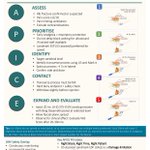
#ESB #RIBFRACTURES #ER #AED WHY DO YOU NEED US to do such a simple and safe block. It can be done quickly and effectively in ER/AED. Use 20mls of 0.5% with 8.0mg Dexamethasone, with MMA, you get 72Hrs of Pain Relief. Cheap and Best for Patients.


I have compiled all the infographics similar to this into pdf. We gave printed copies to all delegates at SAFECON-2026 Hyderabad

18th Sep, This is how the Friday was spent
6½ hours, Nearly 700 slides, 120 SBAs.
One very long day of teaching.
#PrimaryFRCA #FRCA #Anaesthesia #MedicalEducation #Physics #Equipment #Monitoring #Shivathon
CRISIS MANAGEMENT–II on Zoom
Sunday, 13 September 2026 10:00 BST /14:30 IST
Topics: Cardiac Ischaemia, Cardiac Tamponade, Circulatory Embolism, Neuroprotection After Cardiac Arrest, Sepsis, Massive Blood Loss, Hypotension , Hypertension & High Spinal Block
With Scenario and SBAs
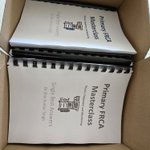
PRIMARY FRCA MASTERCLASS | 18 SEPTEMBER
An all-day Physics, Equipment & Monitoring course for Mersey trainees. 210 SBAs used to explore the underlying physics & clinical application. FREE Booklets, diagrams on the left, answers/explanations on the right (gift from me)


MASTERCLASS IN PHYSICS EQUIPMENT AND MONITORING FOR FRCA, EDAIC AND SIMILAR OTHER EXAMS.
youtu.be/deZSg_Qp3es?is=t_cv…

Totally agree with this, @HelenBevan. I've seen this far too often, particularly among colleagues from ethnic minority backgrounds. One phrase I hear repeatedly is: "I just want to do my work and go home." That level of disengagement is deeply concerning.

Are we getting "staff engagement" wrong?
In a few weeks the 2026 NHS Staff Survey will commence, the largest employee survey in the world. In the 2025 survey, the worsening scores for “engagement” (a five year low) were one of the greatest areas for concern. We tend to treat engagement as a dial. Up is good. As a @NHSEngland Board report stated “a 1% increase in the engagement theme score generally equates to a 1-1.5% increase in productivity”. Down is a problem to fix, with pulse surveys and an action plan. We need some additional thinking.
I’ve been reading recent papers based on frameworks from William Kahn, the originator of the concept of “employee engagement” (links in comments). They don’t describe engagement as a dial. They view it as people choosing whether to bring their full selves into a role or withdraw to protect themselves from it.
Withdrawal is not an absence of energy. It is energy redirected elsewhere. When we label someone as "disengaged," we mean their energy has stopped flowing toward the organisation's priorities. We need to understand where it has gone instead.
In health and care, we can see it going in three directions:
- Self-protection: when people feel they have been let down by decisions above them and guardedness becomes a rational response to what they perceive as institutional betrayal
- Identity outside the role: when a job stops giving back and people reinvest in family, community, or a professional network that feels more meaningful than the org chart.
- Resistance: when people are highly invested in protecting patients or colleagues from decisions they believe are wrong, just not in the direction that leaders want.
Disengagement is not apathy. It is agency, just pointed somewhere else.
Global data supports this. Falls in workforce engagement are happening across many industries. It is driven less by people in frontline roles and more by a decline in manager engagement, which moves down through their teams. The “disengagement” problem often starts with the people we are asking to fix it, not the people we describe as having it.
For those of us leading change in health and care, three moves follow.
1) Replace "how do we engage/re-engage them?" with "what are they engaged in instead, and why did that become more worthwhile than this?" Make it a diagnostic, not a motivational campaign
2) Look one level up before looking at people at the frontline. Engagement is substantially inherited from line managers. Have the conversation with the team leader.
3) Find data on the causes of withdrawal. We can use Kahn’s framework of meaningfulness (a purpose conversation), safety (a trust conversation) and availability (a capacity conversation). We need to understand all three.
People are not empty containers waiting to be filled with motivation from above. They are already full. Change leadership means understanding what they are full of and building the trust and conditions for that energy to flow back toward the people and purpose we serve.
References:
Hart, J. R., & Turesky, E. F. (2026). Work that matters: Knowledge worker employee engagement — insights for leaders and organizations. Organization Management Journal. doi.org/10.1108/OMJ-06-2025-…
Gallup. (2026). State of the global workplace: 2026 report. Gallup. gallup.com/workplace/349484/…
Health and care specific:
Al-Farsi, Y. (2026, May 26). Systemic moral injury in health systems: When institutions cause harm without intent. Health Care Analysis. doi.org/10.1007/s10728-026-0…
Jalali, R., Fatahi, S., & Amiri Kolehjoubi, A. (2026). Quiet quitting in nursing: A concept analysis. BMC Nursing, 25, 163. doi.org/10.1186/s12912-026-0…
The classic article:
Kahn, W. A. (1990). Psychological conditions of personal engagement and disengagement at work. Academy of Management Journal, 33(4), 692–724. doi.org/10.5465/256287

