

Daily (sometimes multiple times daily) infor about astronomy.
Ottawa, Illinois, USA
Joined December 2010
- Tweets4.6K
- Following28
- Followers42
- Likes94
Mercury is easiest to see this week. Its greatest elongation from the sun will be Friday, 19.6° west. Look in the morning sky and see Venus too.

4
SkyCaramba retweeted
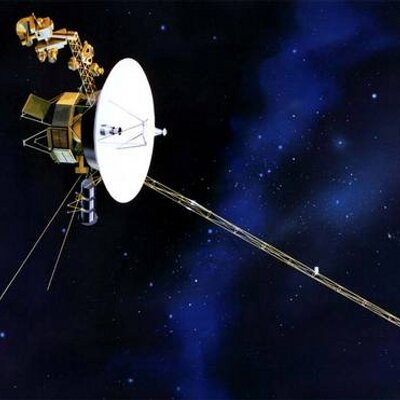
For those of you watching and waiting, the time is NOW. Sister ship Voyager 1 reached one light-day distance from Earth at 10:16:07 UTC today, in 2026. V1 will be one light-day _from the Sun_ on February 4, 2027. Why the difference? Because Earth is currently orbiting on the near side of the Sun, and so is closer (for now).
Because Voyager 2 lost speed during the Neptune encounter, it will take longer to reach these milestones: one light-day from the Earth on November 1, 2035, and one light-day from the Sun on November 27, 2035.
SkyCaramba retweeted
Sister ship Voyager 1 is currently ~24h 00m 00s of light travel time from Earth, or 25,902,000,000 km / 16,095,000,000 mi / 173.145 AU (2026:322:120000:1L) ONE LIGHT-DAY from Earth! …
Voyager I, launched in 1977, has traveled so far, it now takes a full 24 hours for a signal from Earth to reach it and just as far for a signal to get back.
2


The Leonid meteor shower is peaking. Look tonight and tomorrow night. The best views will be after midnight, but you can see some in the evening.
20

Pocketcasts is one place to hear the SkyCaramba podcast. This week: We're in luck for Leonid viewing, Mars passes Jupiter and then the heart of Leo, and Mercury's at its semi-circle phase. pocketcasts.com/podcast/skyc…

6
The moon passes as close as 2.4° from Pluto's position on the sky dome today. Most sky watchers will have to settle for knowing Pluto's out there. It's very hard to see.
5
Mercury resumes direct motion today. Venus resumed direct Motion Wednesday. This means they're both moving eastward among the stars behind them.
7
The moon will appear close to Antares Tuesday and Wednesday evenings. Some observers in the southern Pacific will see the moon hide the star.

4
