

Medical Director of the Southern California Pulmonary & Sleep Disorders Medical Center. Board Certified in Sleep Medicine. #sleepdisorders #OSA #RLS #insomnia
Thousand Oaks, CA
Joined April 2012
- Tweets10.7K
- Following298
- Followers632
- Likes1




Make sure to follow the instructions provided by your healthcare provider carefully, including any pre-test requirements such as avoiding caffeine or alcohol.

14
Sleeping pills can also interfere with the accuracy of your sleep apnea testing. If you are taking prescription sleeping pills, talk to your doctor about whether or not you should stop taking them before your test.

24

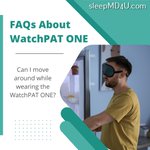
Yes, you can move around while wearing the WatchPAT One. However, it is important to follow the instructions provided by your healthcare provider to ensure accurate readings.

3
Sleep apnea causes your body to go without the proper rest it needs, which can result in the inability to think clearly and function well during the day.

14
Sleep apnea is associated with an increased risk of high blood pressure, heart disease, stroke, and other cardiovascular problems.

10


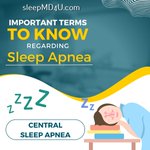
A type of sleep apnea where the brain fails to send signals to the muscles that control breathing.

12
If you have any questions or concerns about using the WatchPAT One device, don't hesitate to reach out to us or the device manufacturer for assistance.

6
This can be disturbing for a partner to witness, so action should be taken immediately if they notice changes in your breathing during the night!

16

Fact: While it's important to be aware of the symptoms of sleep apnea and discuss them with your healthcare provider, a formal diagnosis requires a sleep apnea test.

17
Your body needs a chance to slow down before bed. When you make your digestive system work harder just before bed, it can prevent you from getting the rest you need!

13


Elevating your head while you sleep helps prevent any obstructions to your airway. Even your tongue can block your ability to breathe, but having your head slightly elevated can alleviate this problem.

12
Sleep apnea is a common sleep disorder characterized by pauses in breathing or shallow breathing during sleep.

14
It measures the number of leg movements during sleep, which can indicate restless leg syndrome or other movement disorders.

9
