

Finno-Ugric ⌘ Feline features 🐈
˙✧⛰︎
Joined May 2023
- Tweets13.2K
- Following113
- Followers1.9K
- Likes72.8K
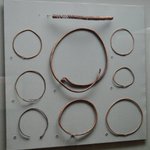


10th-century Merya jewellery represents a distinctive craft tradition of the Volga-Finnic peoples, designed to serve both as a marker of social status and as spiritual protection. Women of the Merya tribes wore heavy, multi-layered bronze ensembles that produced a characteristic chiming sound with every movement.


Traditional Sámi culture divides the year into eight distinct seasons based on ecological shifts, weather patterns, and the lifecycle of reindeer herding: Dálvi [winter], Giđđadálvi [spring winter], Giđđa [Spring], Giđđageassi [spring summer], Geassi [summer], Čakčageassi [autumn summer], Čakča [autumn], Čakčadálvi [pre-winter].


I love cooking everything in a wood-burning oven. The smell of firewood always fascinates me
3
65
822


🏔️ "Vaara" translates from Sámi as "mountain". There are also two other similar sounding words: vārr - path, road, and varrь [var'] - forest. However, in Sámi origin toponyms, "vaara" is always applied to the geographical object "mountain". In the Karelian language: vuaru - mountain, and in the Finnish language: vuori - mountain, hill.


The Enets were known as the Yenisei Samoyeds. "Enets," derived from enete/enneche, meaning "person" or "man".
The Enets language belongs to the Samoyedic branch of the Uralic language family, alongside Nenets, Nganasan, and Selkup. It has two distinct dialects: Tundra Enets and Forest Enets, which differ significantly in speech and aspects of identity.


While preparing the history of Finno-Ugric cuisine, I thought about creating a map of textile history. This would be gorgeous, as it would also show the interactions throughout history
1
51
989


