

Geopolitical risk intelligence for cross-border companies. Signals translated into decisions, built around a global network of experts.
Boston
Joined June 2026
- Tweets106
- Following34
- Followers779
- Likes132


Pinned Tweet
Today we’re live on @EasyA_Kickstart as the first startup selected for their flagship founder incubator.
Token and launch details: kickstart.easya.io/token/12z…
Contract address: 12z7AWnW5Q8mAS9qFtCWnnMdhNvqScZHe8w627EfEASY
Check the contract address carefully.
Our sources tell us that the Strait will take much longer to open than most expect.
Hormuz traffic fell by two-thirds in three days.
— Windward counted 35 daily transits on July 7, 17 on July 9, 11 on July 10
— Trump said Friday the ceasefire is over, then said Washington agreed to keep talking after Iran asked for it
— The next round was reportedly set for Islamabad on Saturday, the same place where June's ceasefire was agreed
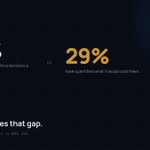
62% of companies say US-China tensions are a material threat.
Only 29% have worked out what that threat would actually cost them.
That gap exists for a reason.
The intelligence needed to answer the question is expensive, fragmented, and hard to access.
That is what Varsko is working to change.

When the Gulf moves, costs move with it.
The US has struck targets inside Iran. Iran has hit back. Tankers have been attacked near Hormuz. Brent is near $73.
Varsko shows what it does to your business.
We are working on a simple idea:
Companies should not have to source intelligence from scratch every time they need an answer.
Uber organized a fragmented taxi market.
We want to organize the intelligence market.
If your company has a specific intelligence need, Varsko helps you get it.
Iran fired missiles at commercial ships in the Strait of Hormuz yesterday.
A tanker caught fire off Oman. Brent crude moved toward $73.
For some companies, that is a headline.
For others, it changes fuel, freight, and delivery costs.
Oil supply is going up on paper.
OPEC+ approved another 188,000 barrels a day for August, its fifth increase in a row.
Crude is flowing through Hormuz again, but LNG and fertilizer cargoes are still barely moving.
The hardest part of geopolitical risk is foresight.
Not just knowing what happened, but understanding what could happen next — and what it would mean for your business.
It is a hard problem. Geopolitics is messy, uncertain, and complicated.
But that is exactly why we are taking it on.
We are building a foresight engine to help companies navigate what comes next.
Claude keeps getting better.
With every major release, it becomes capable of tasks that used to support entire startups. It’s also expanding into areas like design, legal work, and other specialist workflows.
We’re building around something different.
Proprietary data and intelligence that the models don’t already have.
That’s where we think the long-term value is.
Imagine you’re a company with a very specific intelligence need.
Not something you can Google. Not something in a report. Something that isn’t available.
What do you do?
Today, you have to go out and find a way to source that intelligence yourself.
It’s slow, fragmented, and expensive.
We think there should be a better way.
The intelligence market needs an intelligence marketplace.
As geopolitical uncertainty has increased, so has the demand for proprietary intelligence.
Not more headlines. Not more data.
Insight that tells you something the rest of the market doesn’t already know.
That’s what we’re building at Varsko.
A quick update on where we’re at.
Over the past few weeks, we’ve had a lot of conversations with people working in and around geopolitical risk.
One thing has become clear.
Showing data isn’t enough. Plenty of companies already do that.
The real challenge is finding the data that actually matters.
That’s what we’re building Varsko around: supplying the proprietary intelligence companies can’t easily get anywhere else.
More soon.
Something probably changed overnight.
The question is whether you find out before it affects your business.
Varsko works while you sleep and gives you a simple morning brief: what changed, what matters, and what to do next.
The EU has dropped its tariffs on US industrial goods.
That is its side of the trade deal, delivered just before the deadline.
Now attention turns to Washington.
Putting a ship on a sanctions list does not always stop it.
More than 600 tankers in Russia's shadow fleet have been sanctioned. Many are still moving oil.
The headline tells you what was announced.
The harder question is what actually changed.
That's the gap Varsko is built for.
A decision on new US import duties on refined copper is now on the President's desk.
If approved, it will not just affect copper.
It will affect every business that depends on it, from power and manufacturing to data centres.
A sanctions headline drops.
Most people read it and move on.
Varsko checks it against your suppliers, routes, and contracts, then shows what actually changes for your business.
The news is easy.
Knowing what it means is the hard part.
Six months into 2026, we've already seen a lot.
A war in the Gulf. A ceasefire. Tariffs struck down in court, then brought back under new powers. Oil prices surged, then fell back to a four-month low.
Every one of those changed costs for someone.
Varsko is built for whatever comes next.