

CEO of @whitehatterteam | M.A. Professional Comms | M.G.C. Medal of Good Citizenship | Speaker | Researcher | #celiac | D&D GM | He/Him
Victoria, British Columbia
Joined August 2012
- Tweets1.2K
- Following170
- Followers320
- Likes310


Brandon Laur retweeted

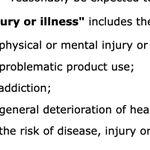
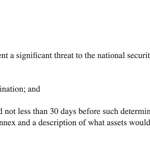
We commend the federal Justice Minister for progress with Bill C-63, the Online Harms Act. However, granting any government agent warrantless search and seizure powers also needs review
youtu.be/snjafe7JyR0
#BillC63 #OnlineHarms #PrivacyMatters #cdnpoli #DigitalLiteracy

Why are youth hesitant to trust online saftey reporting systems? Because it can take up to 2-3 months later with no assistance. Meanwhile, posting the issue on social media about safety and legal concerns can receive responses quickly.
This is an excerpt from a 2023 court case.

The teens at high schools we work with find this law very captivating, given the challenges of intimate image sharing among students. They also find it very accessible to make CRT claims online without going to court.

Protecting people online is a priority for our government
The new legal process is protecting people.
A B.C. man was awarded $5,000 in first-of-its-kind intimate image case
Sharing someone’s intimate images without consent is wrong & could cost you
bc.ctvnews.ca/b-c-man-awarde…
This is why a school phone ban won’t stop youth from experiencing online harms. BYOD poses challenges for corporate network security due to loss of control, and the same applies to schools.


From the front page of the @TorontoStar, @krushowy with exclusive news about Education Minister @Sflecce’s plan to strictly limit the use of cellphones in schools. Ontario would have the toughest curbs in Canada.
#onpoli
thestar.com/politics/provinc…

While I wish the government and other organizations luck in proving measurable and predictable harms caused by social media in court, I do believe that the general arguments lack some substance. There seem to be quite a few plot holes in the arguments presented.
Moreover, it seems that only casino-type gambling is rigorously regulated for potential harms. Items like Pokémon card packs, video game loot boxes, and Kinder Surprise products with a surprise mechanic don't appear to raise significant concerns.
This is why comparing the harms of social media to pharmaceutical and nicotine companies diverges. While the chemical harms are more predictable, assessing the mental wellness aspect is more complex.
I would suggest that it's best to compare the harms of social media to those of gambling and the regulations surrounding it. In my opinion, this comparison provides the closest parallel and serves as a relevant example.
Suing social media for "addiction" appears to lack coherence. Seemingly addictive items (caffeine & sugar), are considered normative until evidence of harm arises. It's crucial to outline specific harms rather than merely focusing on the notion of addiction.
I've noticed that less regulated but less popular websites host far more harmful content and the big names. Some of these sites operate outside North American legal jurisdictions, making lawsuits potentially ineffective in addressing their activities.
The feedback loop drives engagement and ad revenue. Without it, we'd be stuck with a basic RSS feed. Yet, unchecked curiosity can spiral into negative content. Props to TikTok for letting users reset their For You feed!
Discussions about social media addiction and how algorithms are designed to keep users engaged. I'm curious to understand why this is considered problematic. As far as I understand, the algorithm is tailored to present content that users are likely to engage with and want.

