

city planner * transit user * bike rider * walker * EV driver * music listener * Ⓥ
Minneapolis, MN
Joined May 2014
- Tweets2.9K
- Following873
- Followers1K
- Likes7K
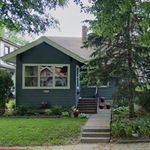







Observations about housing approved in Minneapolis in 2024.
No surprise: current costs relative to rents resulted in a drastic reduction in overall number of units approved.
However: significant increase in missing middle-scale.
At this point, data is based on land use/zoning approvals. Building permit numbers aren’t compiled yet. Some projects that obtain zoning approval don’t obtain a building permit due to financing or other issues.
Jason Wittenberg retweeted

Congrats to NYC on the passage of City of Yes! Welcome to the ranks of big cities where innovative zoning reforms are helping increase housing supply and stabilize rents. crainsnewyork.com/real-estat…
A final note following the previous three threads. The 1924 code was replaced by a new one in 1963. Then another was adopted in 1999. Nearly a century after the first, the fourth and most recent Minneapolis zoning code took effect July 1, 2023.
When the law and lenders didn't prevent people of color from purchasing a home, some neighbors took matters into their own hands. In 1931, Arthur and Edith Lee faced ongoing threats from a mob after purchasing the home at 4600 Columbus Ave. The site is now a historic landmark.
This wasn't unique to Minneapolis. Though the city had a very small Black population, racist private covenants had started to appear. Check out the Mapping Prejudice project if you haven't already.
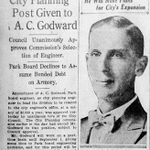
In July, Godward said that the new ordinance “is operating very satisfactorily in directing the orderly development of the city.”
Buck purchased the land for $2,750 and apparently had a plan to sell the properties to Standard Oil for $7,500 for the construction of a gas station. He apparently wasn’t forthright with his constituents or colleagues about the matter.
The first lawsuit: B. Ratner filed a legal challenge compelling the City to grant a food license for a confectionery store at 1726 8th Ave N. It was determined that he had operated a store before the zoning ordinance went into effect.
Bonus content: The first appeal was filed by the Lutheran Children’s Friend Society to construct a children’s home at E 36th St and 46th Ave S.
In addition to the text of the ordinance, three maps governed the following: building height, density, and uses.
On April 2, 1924, the zoning code was adopted. (Note: there were apparently two council members for each of the 13 wards at the time. The final vote on the ordinance was 23 to 3.) The mayor signed the revised ordinance.