

Empowering Engineers to Ace Coding and System Design Interviews | Creator of 'Grokking' Course Series | Founder Design Gurus
Seattle, WA
Joined April 2009
- Tweets249
- Following318
- Followers1.3K
- Likes169








You have 45 minutes to design ChatGPT. Go.
Most candidates jump straight to the model. Interviewers grade everything around it.
Here's how I'd spend every minute of the interview.
Save this for your next system design round.

1
116
Sharding on day one is like buying a bus before you have passengers.
A single well-tuned Postgres box handles more traffic than most startups will see this year.
Scale when your metrics tell you to. Not when your whiteboard does.
1
105
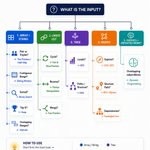
Rule, classifier, or LLM?
Most teams reach for the LLM by default. Then they wonder why latency and cost explode.
Ask 3 questions before you add any model to a system.
Here's the decision tree I use 👇

78
I was a hiring manager at Meta and Microsoft.
System design rounds now include AI questions. The 5 I'd ask in 2026:
1. Design a RAG system
2. Design an LLM gateway
3. Rate limit by tokens
4. Design semantic caching
5. Design agent memory
What gets a strong hire on each 👇

Every hard problem in AI agents is a distributed systems problem we already solved.
Agent retries: idempotency keys
Multi-step tool calls: saga
LLM provider down: circuit breaker
Stale agent memory: cache invalidation
Agent handoffs: leader election
The fundamentals still win.

The wrong architecture pattern can create more problems than it solves.
Knowing 10 names won’t help. Knowing when each earns its cost will.
See comments for more.
Here are 10 architecture patterns every engineer should know:
Monolith
Microservices
Event-Driven
Layered
CQRS
Saga
Hexagonal
Serverless
Lambda Architecture
Pipe-and-Filter
Learn system design from Grokking the System Design Interview: designgurus.io/course/grokki…
46
Learn the fundamentals underneath all system design:
System Design Patterns: From Fundamentals to Real Systems (designgurus.io/course/system…)

𝗠𝗼𝘀𝘁 𝗽𝗿𝗼𝗱𝘂𝗰𝘁𝗶𝗼𝗻 𝘀𝘆𝘀𝘁𝗲𝗺𝘀 𝗱𝗼𝗻'𝘁 𝗱𝗶𝗲 𝗳𝗿𝗼𝗺 𝘁𝗿𝗮𝗳𝗳𝗶𝗰. 𝗧𝗵𝗲𝘆 𝗱𝗶𝗲 𝗳𝗿𝗼𝗺 𝘁𝗵𝗲𝗶𝗿 𝗼𝘄𝗻 𝗱𝗲𝗳𝗲𝗻𝘀𝗲𝘀.
Full breakdown here: designgurus.substack.com/p/7…

1
86

Seven things your system needs before going live.
𝗛𝗲𝗮𝗹𝘁𝗵 𝗰𝗵𝗲𝗰𝗸𝘀
𝗚𝗿𝗮𝗰𝗲𝗳𝘂𝗹 𝘀𝗵𝘂𝘁𝗱𝗼𝘄𝗻
𝗖𝗶𝗿𝗰𝘂𝗶𝘁 𝗯𝗿𝗲𝗮𝗸𝗲𝗿𝘀
𝗦𝘁𝗿𝘂𝗰𝘁𝘂𝗿𝗲𝗱 𝗹𝗼𝗴𝗴𝗶𝗻𝗴
𝗠𝗲𝘁𝗿𝗶𝗰𝘀 𝗮𝗻𝗱 𝗮𝗹𝗲𝗿𝘁𝘀
𝗥𝗮𝘁𝗲 𝗹𝗶𝗺𝗶𝘁𝗶𝗻𝗴
𝗥𝗲𝘁𝗿𝘆 𝘄𝗶𝘁𝗵 𝗯𝗮𝗰𝗸𝗼𝗳𝗳

77
🚩 Interview Trap: "We'll shard the database from day one."
Sharding is the 𝗺𝗼𝘀𝘁 𝗼𝘃𝗲𝗿𝘂𝘀𝗲𝗱 𝘀𝗼𝗹𝘂𝘁𝗶𝗼𝗻 in system design interviews.
A single PostgreSQL instance can handle 𝟭𝟬,𝟬𝟬𝟬+ 𝘁𝗿𝗮𝗻𝘀𝗮𝗰𝘁𝗶𝗼𝗻𝘀 𝗽𝗲𝗿 𝘀𝗲𝗰𝗼𝗻𝗱.
Don't shard until you hit scale.

99
𝗦𝗰𝗮𝗹𝗮𝗯𝗶𝗹𝗶𝘁𝘆 𝗶𝘀 𝘄𝗵𝗲𝗿𝗲 𝗺𝗼𝘀𝘁 𝘀𝘆𝘀𝘁𝗲𝗺 𝗱𝗲𝘀𝗶𝗴𝗻 𝗶𝗻𝘁𝗲𝗿𝘃𝗶𝗲𝘄𝘀 𝗮𝗿𝗲 𝘄𝗼𝗻 𝗼𝗿 𝗹𝗼𝘀𝘁.
Here are the 𝟭𝟮 𝘀𝗰𝗮𝗹𝗮𝗯𝗶𝗹𝗶𝘁𝘆 𝗰𝗼𝗻𝗰𝗲𝗽𝘁𝘀 every engineer should master.
Ref: 👉 designgurus.io/course/grokki…

68
When a message fails to be processed, what do you do?
Drop it? Retry forever?
Neither. You send it to a dead letter queue.
They sit there, out of the main flow, waiting for a human to look at them.
Reference: Grokking System Design Interview - designgurus.io/course/grokki…

After reviewing 64 system design interview questions across 4 popular courses, I narrowed it down to the 𝟮𝟱 𝗜'𝗱 𝗮𝗰𝘁𝘂𝗮𝗹𝗹𝘆 𝘀𝘁𝘂𝗱𝘆.
designgurus.io/blog/system-d…

𝟏𝟐 𝐌𝐮𝐬𝐭 𝐃𝐨 𝐂𝐚𝐬𝐞 𝐒𝐭𝐮𝐝𝐢𝐞𝐬 𝐟𝐨𝐫 𝐒𝐨𝐟𝐭𝐰𝐚𝐫𝐞 𝐄𝐧𝐠𝐢𝐧𝐞𝐞𝐫𝐬 𝐭𝐨 𝐏𝐫𝐞𝐩𝐚𝐫𝐞 𝐟𝐨𝐫 𝐒𝐲𝐬𝐭𝐞𝐦 𝐃𝐞𝐬𝐢𝐠𝐧 𝐈𝐧𝐭𝐞𝐫𝐯𝐢𝐞𝐰
designgurus.substack.com/t/s…
#SystemDesign

𝟱 𝗦𝗶𝗴𝗻𝗮𝗹𝘀 𝗧𝗵𝗮𝘁 𝗠𝗮𝗸𝗲 𝗬𝗼𝘂 𝗟𝗼𝗼𝗸 𝗝𝘂𝗻𝗶𝗼𝗿 𝗶𝗻 𝗮 𝗦𝘆𝘀𝘁𝗲𝗺 𝗗𝗲𝘀𝗶𝗴𝗻 𝗜𝗻𝘁𝗲𝗿𝘃𝗶𝗲𝘄.
Read the full guide: designgurus.substack.com/p/t…
#SystemDesign #InterviewTips #SoftwareEngineering #CareerGrowth #Hiring

𝗦𝘁𝗼𝗽 𝗱𝗲𝗳𝗮𝘂𝗹𝘁𝗶𝗻𝗴 𝘁𝗼 𝗣𝗼𝘀𝘁𝗴𝗿𝗲𝗦𝗤𝗟.
Selecting the wrong database is one of the few engineering decisions that is difficult to reverse.
Full guide: designgurus.substack.com/p/h…
Ref: Grokking the System Design Interview: designgurus.io/course/grokki…

𝗕𝗮𝘁𝗰𝗵 𝘃𝘀. 𝗦𝘁𝗿𝗲𝗮𝗺 𝘃𝘀. 𝗟𝗮𝗺𝗯𝗱𝗮: 𝗧𝗵𝗲 𝗗𝗮𝘁𝗮 𝗔𝗿𝗰𝗵𝗶𝘁𝗲𝗰𝘁𝘂𝗿𝗲 𝗖𝗵𝗲𝗮𝘁 𝗦𝗵𝗲𝗲𝘁
In system design, we are always fighting a war between Latency (Speed) and Accuracy (Completeness).
You want data instantly, but you also want it to be perfect. Usually, you can't have both.
Here is how the top 3 patterns solve this trade-off:
𝟭. 𝗕𝗮𝘁𝗰𝗵 𝗣𝗿𝗼𝗰𝗲𝘀𝘀𝗶𝗻𝗴 The "Slow & Steady" approach.
How it works: Collects data over time and processes it in big chunks (e.g., every 2 hours).
Pros: High accuracy, simple logic, easy to fix errors (just re-run the batch).
Cons: High Latency. You are always looking at old data.
𝟮. 𝗦𝘁𝗿𝗲𝗮𝗺 𝗣𝗿𝗼𝗰𝗲𝘀𝘀𝗶𝗻𝗴 The "Need for Speed" approach.
How it works: Processes every event the instant it arrives.
Pros: Low Latency. Real-time dashboards.
Cons: Complexity. Handling late-arriving data and ensuring "exactly-once" processing is hard.
𝟯. 𝗧𝗵𝗲 𝗟𝗮𝗺𝗯𝗱𝗮 𝗔𝗿𝗰𝗵𝗶𝘁𝗲𝗰𝘁𝘂𝗿𝗲 The "Best of Both Worlds" approach.
How it works: Runs BOTH Batch and Stream in parallel.
Batch Layer: Processes all history perfectly.
Speed Layer: Processes recent data quickly (approximate).
Serving Layer: Merges the two (Total = Batch + Speed).
The Trade-off: You have to write your code twice (Two codebases).
If you want to simplify Lambda, look into the 𝗞𝗮𝗽𝗽𝗮 𝗔𝗿𝗰𝗵𝗶𝘁𝗲𝗰𝘁𝘂𝗿𝗲, which treats everything (even history) as a stream.
Read full post: designgurus.substack.com/p/b…
#SystemDesign #DataEngineering #BigData #Architecture #TechTips
