

A policy lab for America's future. Bold solutions for a post-boomer world. Current focus: "What is missing from the healthcare debate?" Follow/subscribe/donate
United States of America
Joined February 2023
- Tweets1.6K
- Following763
- Followers1.6K
- Likes1.6K




Highly recommend @jeffgiesea's "healthcare theory of everything." See: jeffgiesea.substack.com/p/he…

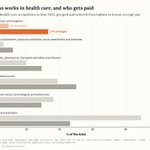
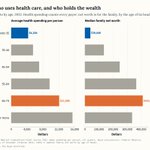
New: Healthcare Is Eating the Jobs Market, in 11 charts boydinstitute.org/p/healthca…


The Boyd Institute retweeted

BlueCross vs Rebel+Sedera -
For the invididual you save a few bucks but get rebel's concierge level service included.
For the family, you get rebel's service plus save a TON of money.


New — A friend who works in healthcare compliance shares an anonymous confession: The Sunshine Act needs reform, even if it means putting themselves out of a job. boydinstitute.org/p/sunshine…

The Boyd Institute retweeted

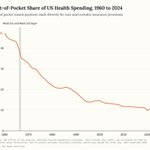
America spends universal-healthcare money without getting universal healthcare. Crazy.
from my essay, "healthcare is eating America" jeffgiesea.substack.com/p/he…

Abolish the Surgeon General’s Office — And Its 6,000-Person Bureaucracy open.substack.com/pub/boydin…

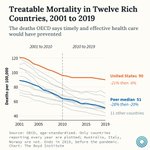
@KlingBlog opened our healthcare sprint's look at tradeoffs with a blunt reading. From 2010 to 2019 US deaths from treatable causes fell 6 percent, while the median of eleven rich peers fell 20 percent, with America beint "worse in spite of higher spending."


Physicians' and other suppliers' self-interest creates incentives toward overtreatment, high prices, and restriction of supply and competition. Nurse practitioners earn about half what physicians do, and their care costs less.


Arnold Kling in his recent article for the Boyd Institute:
"Another way to try to assess whether higher spending on health care reduces mortality is to look at sub-populations in the United States with similar characteristics and different levels of spending. Many studies show little or no effect of higher spending in lowering mortality. This suggests that there is a problem with cost-effectiveness in our health care system."

