
🔬 Clinical Researcher | 🌱 AgriTech Enthusiast | ♻️ Sustainable Supply Chain Advocate | Passionate about merging science and sustainability for a better future
Joined June 2014
- Tweets899
- Following479
- Followers1.1K
- Likes4.3K






Onitsha mayor will think it is AI

Inspired by the passion to impact lives, I am super excited to announce the commissioning of the Exam Halls, Solar-Powered Library and Modern Convenience we executed at Pioneer Secondary School, Umuchu.
Holding tomorrow, September 11, 2025, the project is one out of many we aim to position in schools located in all parts of Aguata Local Government Area.
Supported by amazing individuals who share with our #AGreaterAguata vision, this feat was achieved within four weeks of its commencement.
We look forward to doing greater things for the development of young people in our communities.
For us in Aguata LGA, tomorrow begins today, and of course, impossibility is nothing.


330
Nigeria Bans Raw Shea Nut Exports - Here’s What You Need to Know
Nigeria, which supplies 40% of the world’s raw shea nuts, has imposed a six-month ban on exports, aiming to catalyse a shift toward domestic value-added processing of shea butter and cosmetics ingredients. AP News
Prospects:
Generates $300 million in the short term, with the potential of $3 billion by 2027 if local industries scale up.
Creates jobs, boosts industrialization, and retains more value within the economy.
But the path is paved with hurdles:
Infrastructure gaps persist in processing, storage, and logistics.
Without investment, the ban risks stalling momentum.
Stakeholders need incentives, training, capital, and market access.
This is a defining moment. If Nigeria fails to capture the value we export, just how serious are we about agro-industrial transformation?
What’s your take? Can this ban be Nigeria’s launchpad into global value chains, or will processing lag?


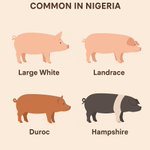
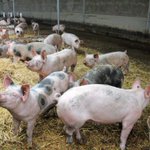
Did this encourage you to start your piggery farm? One tip I must give you is to invest in securing your pens. The biggest threat to agriculture is poaching.
Security is essential!
1
1
135
US Slams 15% Tariff Hike on Nigeria – What This Means for Us
The recent 15% tariff increase by the US on Nigerian goods is more than just numbers - it’s a hit to our economy, exporters, and farmers.
From cocoa to sesame seeds, Nigerian exporters will face higher costs, potentially reducing competitiveness in global markets.
For a country already battling inflation, insecurity, and high production costs, this move could push local producers to rethink strategies, seek alternative markets, or push for stronger local value addition.
Bottom line: Nigeria must double down on self-reliance, regional trade partnerships, and policies that protect our agricultural and industrial sectors.
#NigeriaEconomy #Trade #Tariffs #AgroMarketSquare
Why Igbo Businesses Rarely Outlive Their Founders.
By Chioma Amaryllis Ahaghotu (Facebook)
Buying and selling are not the same as doing business. That is the harsh truth many Igbo men refuse to confront. This is why many Igbo businesses struggle to outlive their founders.
Even if you remove the impact of the civil war, which undeniably delayed the rise of many Igbo enterprises, you only need to step behind the counter and observe how most of these businesses are run to understand why systems, structure, and long-term vision matter.

The tragedy is that without systems, without proper bookkeeping, corporate structures, succession planning, and reinvestment strategies, these businesses rarely outlive the man behind the counter.
Wealth that should have blossomed into generational empires evaporates after one or two cycles, leaving only the memory of a hardworking man and perhaps a few abandoned properties.
1
70
The typical Igbo businessman thrives on hustle, not systems. He relies on his energy, his network, and his ability to turn quick profits. But hustle is not legacy.
Hustle feeds the present, not the future.
Many view profit as the ultimate goal, rather than the seed for building something larger than themselves. They are often trapped in a cycle of daily transactions, where success is measured by immediate cash flow and visible status, cars, houses, and social recognition, rather than by scalability, sustainability, or generational transfer.
54