
good twitter posts
Nashville, TN
Joined May 2007
- Tweets126K
- Following188
- Followers1.8K
- Likes33K







cwage retweeted

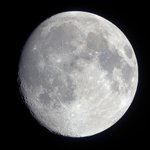
AstroBin's Image of the Day: "NGC4361" by Wolfgang Promper
astrobin.com/ktp961/
#astrophotography


gallatin pike man. what is it about this road? it's like the minute people get on there, 20 IQ points drop, pedestrians jaywalking at 45 degree angles across the road, people drivin like it's mad max out there


cwage retweeted

“Holy guacamole, look at this thing!”
Here’s a throwback to 2015, when a team aboard NOAA Ship Okeanos Explorer found what remains the largest sponge ever discovered by most measures. Learn more about this sponge in our new Ocean Exploration fact: oceanexplorer.noaa.gov/ocean…


cwage retweeted
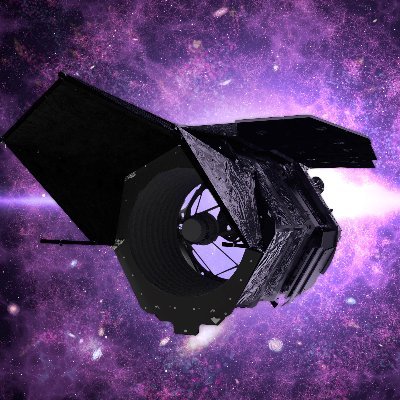
It's the final countdown 🎶
We're one step closer to Roman's first images! The observatory is now fully functional and the team is performing their final checks and calibrations before starting science observations.
go.nasa.gov/4A9menV


cwage retweeted

This plane has four propellers and five engines.
The fifth one is a small turboshaft of about 1,364 hp that never turns a propeller. It runs a compressor that blows air over the flaps, a trick called boundary layer control. It keeps the airflow stuck to the wing at flap angles where an ordinary wing would stall, so a big amphibian can fly as slowly as about 90 km/h.
That slow speed is the whole point. Waves don't flatten out for you, and the slower you touch down, the gentler the hit. ShinMaywa says the US-2 can land in waves up to 3 meters.
Then there's the spray. Watch the clip the hull has a spray suppressor that pushes water down and spray strips that throw it sideways, so it stays out of the engines.
A flying boat has to solve the water as well as the air.
Video by Cpl. Madison Sharpe